
Kanawa Island Weather by Month: A 2027 Planner
Kanawa Island weather month by month for 2027: rain, wind, sea state, snorkel visibility and crowds in one table, plus the calmest months to visit.
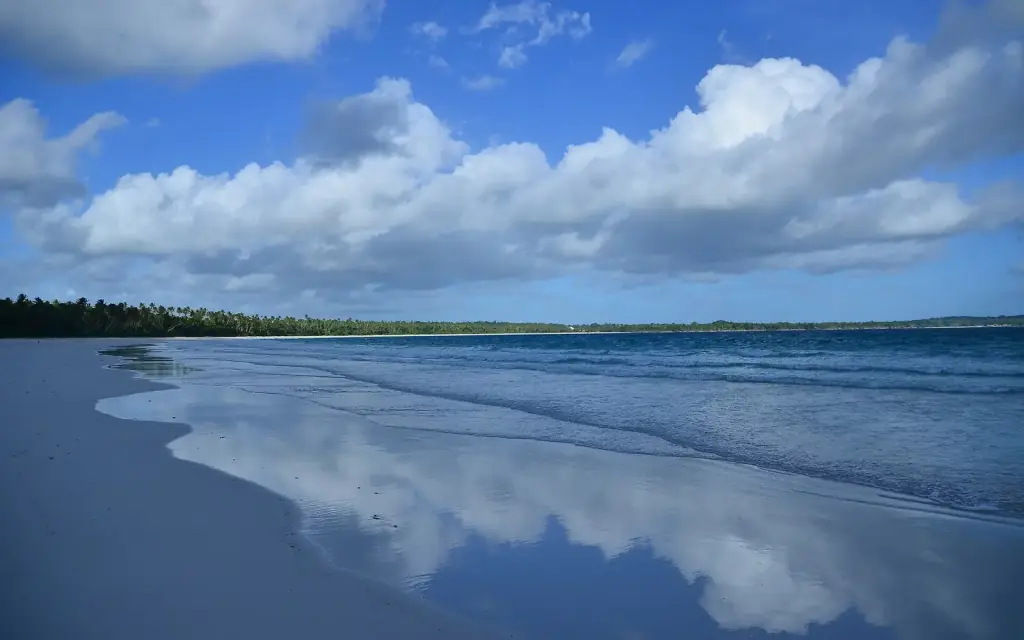 Photo: Miranda Rachellina / Wikimedia Commons (CC BY-SA 4.0)
Updated: August 2026
Kanawa Island weather follows one simple rule: dry, sunny, and boat-friendly from April through October, wetter and windier from December through March, with November the month that turns. The best all-round months for a 2027 trip are April, May, September, and October, when seas are calm, the house reef is clear, and crowds stay manageable. This page is a full month-by-month planning table — wind, wave height, water temperature, snorkel visibility, boat-cancellation risk, and crowd levels — so you can match your 2027 dates to real conditions before you book a Kanawa day trip from Labuan Bajo. Last updated: 24 August 2026.
What Drives Kanawa Island Weather?
Kanawa sits just outside the boundary of Komodo National Park off Labuan Bajo, Flores, in one of the driest corners of Indonesia. The region has a savanna-style climate: instead of Bali’s year-round humidity, Komodo typically records only around 800–1,000 mm of rain per year, and most of it falls in a short window between December and March. Two monsoon systems shape everything:
- West monsoon (December–March): brings the rain, gustier W–NW winds, and choppier crossings between Labuan Bajo and the islands. Showers usually arrive as short, heavy afternoon bursts rather than all-day rain.
- East/southeast trade winds (June–August): the driest stretch of the year, but also the windiest part of the dry season. Mornings are usually calm; afternoons can turn breezy with surface chop.
- Transition months (April–May and September–October): the sweet spot. Winds drop between the two systems, producing the flattest seas and the most reliable glassy-morning conditions of the year.
Air temperature barely moves all year — expect roughly 26–33°C — so “Kanawa Island season” is really about wind, wave state, and rain, not warmth. Water stays warm enough for hours of snorkelling in every month, ranging only from about 26.7°C at its coolest (July, peak trade-wind season) to about 29°C at its warmest (December, as the west monsoon returns).
Kanawa Island Weather by Month: The Full 2027 Planning Table
The table below is the full month-by-month matrix — wind and rain pattern, indicative wave height, sea water temperature, snorkel visibility, and boat-cancellation risk — based on the region’s long-running seasonal patterns and monsoon climatology for the Flores Sea. Treat it as planning guidance, not a forecast — conditions vary year to year, and you should confirm with your operator in the week before travel.
| Month | Wind & Rain | Indicative Wave Height | Water Temp (°C) | Snorkel Visibility | Cancellation Risk | Crowds |
|---|---|---|---|---|---|---|
| January | West monsoon; W–NW winds, wettest month, short heavy bursts | 0.5–1.0 m, squalls to ~1.5 m | ~29°C | 10–15 m | Medium | Very low |
| February | West monsoon continues; still gusty, high rain tapering late | 0.5–1.0 m, squalls to ~1.5 m | ~29°C | 10–15 m | Medium–High | Very low |
| March | Transition begins; winds and rain easing steadily | 0.5–1.0 m, easing | ~28°C | 10–15 m | Medium | Low |
| April | Dry season begins; light E–SE winds, low rain | 0.3–0.8 m | ~28°C | 20–25 m | Low–Medium | Building |
| May | Full east monsoon; steady E–SE trades, very low rain | 0.3–0.8 m | ~27°C | 20–25 m | Low | Moderate |
| June | Strengthening trade winds; breezier afternoons, minimal rain | 0.4–1.0 m | ~27°C | 20–25 m | Low–Medium | High |
| July | Trade-wind peak; strongest E–SE winds, driest stretch | 0.5–1.2 m | ~26.7°C (coolest) | 20–25 m | Medium | Peak |
| August | Trade winds remain strong; windy afternoons continue | 0.5–1.2 m | ~26°C | 20–25 m | Medium | Peak |
| September | Trades easing through the month; minimal rain | 0.4–1.0 m | ~27°C | 20–25 m | Low–Medium | Easing after mid-month |
| October | Among the calmest winds of the year; hot and sunny | 0.3–0.8 m | ~27°C | 20–25 m | Low | Moderate |
| November | Transition to west monsoon; mixed winds, first storms possible late | 0.3–1.3 m | ~28°C | 15–20 m | Medium | Low–moderate |
| December | West monsoon returns; W–NW winds build, showers frequent | 0.5–1.5 m | ~29°C (warmest) | 10–15 m | Medium–High | Christmas–New Year bump |
Sources: regional monsoon climatology for the Flores Sea/Komodo area, Labuan Bajo sea-surface temperature records, and consistent reporting from Komodo-area dive and boat operators. Figures are typical ranges, not guarantees — sea state on any single day can fall outside these bands. For a deeper verdict on which single window suits your travel style — honeymoon, family, photography, budget — see our dedicated guide to the best time to visit Kanawa Island, which weighs these same conditions against pricing and availability.
Kanawa Island’s 12 Months, Ranked Best to Worst for a Trip
- October — the calmest winds of the year, excellent visibility, and moderate crowds. The single best all-round month.
- April — dry season just beginning, flat seas, and the best value-to-conditions ratio before crowds build.
- May — low cancellation risk, 20–25 m visibility, and still-moderate crowds.
- September — trade winds easing, minimal rain, crowds thinning after the August peak.
- June — very good conditions, though book boats early since crowds are already high.
- March — improving fast week by week as the west monsoon eases, with low crowds as a trade-off for slightly higher wave risk.
- November — good early-month conditions before the west monsoon returns, low-moderate crowds.
- July — excellent visibility but the year’s strongest trade winds; go early in the day for calmer water.
- August — same wind pattern as July, plus peak-season pricing and the busiest crowds.
- December — the warmest water of the year, but the west monsoon’s return brings the highest wave heights and cancellation risk alongside a holiday crowd bump.
- January — wettest month with real cancellation risk, but also the quietest beaches for travellers who can stay flexible.
- February — the highest combined rain-and-wind risk of the year, offset only by near-empty beaches.
Which Months Have the Calmest Boat Crossing?
Kanawa is a short hop from Labuan Bajo — roughly 20–35 minutes by speedboat, or 45–75 minutes on a slower wooden boat — so the crossing is rarely a serious obstacle. Still, comfort varies:
- Calmest: April–May and September–October. Transition-season seas are frequently glassy at departure time, which matters if anyone in your group is prone to seasickness.
- Fine with timing: June–September. Depart on a morning schedule and you will usually cross before the trade-wind chop builds after midday.
- Variable: December–March. Most days are still workable, but operators occasionally reshuffle or cancel departures when the west monsoon pushes swell into the channel. Build a spare day into wet-season itineraries.
Combination routes are more weather-sensitive than the direct hop. A Padar–Pink Beach–Kanawa loop, a Manta Point pairing, or the longer Kanawa to Lombok sailing trip covers far more open water than the direct crossing, so in the December–March window a Kanawa-focused day is the safer bet, with the longer loop as a conditions-permitting upgrade.
How Does Weather Affect Snorkelling on the House Reef?
Kanawa’s house reef starts around 30 metres off the beach, which is exactly why weather matters less here than at open-water sites: even on breezy days the reef’s inshore section stays swimmable. What changes with the calendar is clarity and comfort. In the April–October dry months, visibility on the reef commonly runs 20–25 metres, with October and the transition weeks delivering the glassiest conditions. In the December–March wet months, runoff and swell typically trim visibility to the 10–15 metre range — still a genuinely good snorkel by most standards, just not the postcard version. Kanawa Island weather is kindest to snorkellers in the first three hours after sunrise year-round: lighter wind, flatter surface, and better light penetration on the coral. For the full species list this visibility supports, see our Kanawa Island marine life guide.
One practical note for overnighters: the island’s long-running rustic eco-resort uses sea-breeze ventilation rather than air-conditioning, so the still, humid nights of December–February are noticeably warmer than the breezy dry-season months. If a fan-cooled bungalow in the build-up heat sounds uncomfortable, aim for April–October or stay in Labuan Bajo and visit on a day trip instead.
Does the Season Change What a Trip Costs?
Fees are flat year-round; boat pricing depends on your operator’s quote. As of 2026, Komodo National Park charges the statutory entrance fee of IDR 250,000 per person per day for foreign visitors (WNA), per PP No. 36/2024 — this applies only when your route enters the park proper, since Kanawa itself sits outside the park boundary. Kanawa’s own day-visitor contribution is approximately IDR 150,000 per person, a 2026 tour-operator rate, separate from the park fee. A practical day that combines both, plus a local guide fee, typically totals roughly IDR 400,000–525,000 per person — ask your operator for the breakdown rather than assuming one lump figure. For the boat itself, a shared Komodo speedboat day tour starts from USD 90 per person, and a private day charter starts from USD 800 per boat per day, both per Komodo Luxury (checked 25 August 2026) — request a written quote for your exact route and season. July–August peak demand pushes real-world quotes higher and boats sell out earlier; January–March is when private charters are easiest to secure on short notice — weather permitting.
Planning Rules of Thumb for 2027
- Want guaranteed-feeling conditions: book April–May or September–October.
- Travelling in July–August: reserve boats 2–3 weeks ahead and choose morning departures to beat the afternoon trade-wind chop.
- Travelling December–March: keep one flexible day, favour the direct Kanawa route over long loops, and treat sunshine as a bonus.
- Chasing the clearest water: October mornings on the house reef are hard to beat.
- Chasing solitude: late January and February deliver near-empty beaches in exchange for the highest wave and cancellation risk of the year.
- Chasing the warmest water for a long swim: November–December, right as cancellation risk starts climbing — plan flexible dates if this matters to you.
Frequently Asked Questions
What is the water temperature at Kanawa Island?
Sea surface temperature ranges from roughly 26.7°C at its coolest, in July during peak trade-wind season, to about 29°C at its warmest, in December as the west monsoon returns. It stays comfortable for snorkelling without a wetsuit in every month.
When is Kanawa Island’s dry season?
Roughly April through October, driven by the east/southeast trade winds. Rain is low, visibility is typically 20–25 metres, and April–May and September–October are the calmest weeks within that window.
Is Kanawa Island good to visit in January?
January is the wettest month, with the west monsoon bringing short, heavy rain bursts and a medium cancellation risk from choppier seas. Beaches are very quiet, so it suits flexible travellers who don’t mind some weather uncertainty.
Is Kanawa Island good to visit in April?
Yes — April is one of the best months on the calendar, as the dry season begins with flat seas, low rain, and visibility opening into the 20–25 m band, while crowds are still building rather than at their peak.
Is Kanawa Island good to visit in June?
Conditions are very good — low rain and strong visibility — but June sits at the start of peak season, so crowds are high and boats should be booked 2–3 weeks ahead.
Is Kanawa Island good to visit in September?
Yes, September is a strong shoulder month: trade winds are easing, rain stays minimal, and crowds thin out noticeably after the August peak.
Is Kanawa Island good to visit in November?
Early November is often excellent, with calm conditions carrying over from the dry season before the west monsoon returns later in the month. Book earlier dates in the month for the best odds.
Is Kanawa Island good to visit in December?
December brings the warmest water of the year, but also the year’s highest wave heights and cancellation risk as the west monsoon builds, plus a holiday crowd bump. Keep your itinerary flexible if you travel this month.
What are the sea conditions like at Kanawa Island?
Generally calm and boat-friendly April through October, with wave heights typically under a metre, and choppier with more cancellation risk from December through March as the west monsoon brings wind and swell into the channel.
Plan Your 2027 Kanawa Trip Around the Weather
Dates decided — or torn between two windows? Kanawa experiences on this site are arranged through Komodo Luxury, a real Labuan Bajo operator running Komodo National Park itineraries since 2015, part of Juara Holding Group, operating from Bali across Indonesia. Tell Komodo Luxury your month and group size, and they will confirm current sea conditions, availability, and honest advice on whether a shared or private day trip fits your dates better.
Message Komodo Luxury on WhatsApp at +62 811-3823-875 or email sales@komodoluxury.com for a same-day reply with a 2027 date recommendation matched to the table above.
Plan Your Kanawa Island Visit
Fine‑Grain 2027 Weather & Sea Questions for Kanawa Island
What is the best month to visit Kanawa Island for good weather?
If you care mainly about clear skies, manageable heat, and low rain, April, May, September, and October are the most balanced. These months sit between the wet west monsoon and the windiest trades, so crossings from Labuan Bajo are usually smoother, and snorkelling has reliable visibility. July and August are also very dry, but stronger afternoon winds and choppier seas make them slightly less “easy” for first-time visitors or those prone to motion sickness.
What is the best month to visit Kanawa Island for calm sea and easy crossings?
The flattest seas are typically in the transition months: late March into April, and September into early October. In these windows the monsoon systems are swapping over, so winds often drop and you get glassier morning crossings on both speedboats and slower wooden boats. If your priority is the best month to visit Kanawa Island for calm sea, aim for April or late September and try to travel on the earliest boat of the day.
What is Kanawa Island weather in January like, and can I still plan a visit?
Kanawa Island weather in January sits under the west monsoon: short, heavy showers, higher humidity, and W–NW winds. Sea state is more variable, with wind chop and occasional squalls that can delay or cancel boats. It’s still possible to visit, and crowds are very light, but you need flexibility. Build in backup days in Labuan Bajo and accept that you may snorkel between showers rather than under blue skies all day.
How is Kanawa Island weather in April for snorkelling and day trips?
Kanawa Island weather in April usually marks the start of the dry season. Rain drops sharply, winds shift to lighter E–SE, and humidity eases. Snorkelling is comfortable: water around 28°C, and visibility typically 20–25 m. This is also when the average sea temperature around Kanawa Island by month starts cooling very gradually toward July. It’s an excellent month for beginners, families, and anyone nervous about rough seas.
What should I expect from Kanawa Island weather in June for snorkelling conditions?
Kanawa Island weather in June is dry, with trade winds strengthening, especially in the afternoon. Mornings are usually calmer with good light and 20–25 m visibility over the house reef wall; afternoons can be breezier with surface chop. June suits confident swimmers who don’t mind a bit of current. For longer snorkel sessions, plan your entry early, use fins, and stay within the 1–3 m shallow flat if you’re less experienced.
How windy is Kanawa Island in the afternoon, especially in July and August?
July and August are peak trade-wind months. It is noticeably windy in the afternoon, with E–SE trades creating small whitecaps between Labuan Bajo and Kanawa. On the island, you’ll feel a steady breeze on exposed beaches, which keeps heat tolerable but can make snorkel entries on the windward side choppy. Schedule most water time before lunch, then use the windier mid-afternoon for shade, rest, or walking the interior paths.
How does Kanawa Island weather in September affect underwater visibility?
Kanawa Island weather in September is typically dry, with trade winds easing through the month. Early September can still be breezy in the afternoon; by late September mornings are often very calm. Seasonal visibility range for snorkeling around Kanawa Island month by month peaks in this dry, less-windy period, and you can often see 20–25 m on the house reef. As always, visibility also swings with tides and recent wind strength.
What is the typical water temperature around Kanawa Island throughout the year, and can I swim all year round?
Water around Kanawa hovers between roughly 26.7°C at the coolest (July) and about 29°C at the warmest (December). That means you can swim at Kanawa Island all year round without a wetsuit if you’re comfortable in tropical seas. For long snorkelling sessions, some people like a thin rash guard for sun protection and a bit of extra warmth during the cooler trade-wind months of July–August.
How does Kanawa Island underwater visibility vary by month and tides?
Broadly, December–February are the murkiest, April–October the clearest. Within the April–October dry season, visibility holds in a 20–25 m band, sitting at the top of it when winds are moderate. However, Kanawa Island underwater visibility by month and tides also depends on recent storms, plankton blooms, and how strongly the tides are running. Around full and new moon, stronger currents can both clear and cloud the water, so aim for slack or gentle tides if you’re nervous.
Are there building restrictions or height limits on Kanawa Island, and do they affect the coast?
Kanawa sits in a sensitive coastal-marine setting close to Komodo National Park, so Indonesian zoning rules and permit conditions restrict large-scale development. There are practical building restrictions, including informal height limits and expectations of a coastal setback, to protect views, beach access, and the fringing reef. Existing bungalow structures respect this low-rise pattern. Any new project needs to work through local authorities; visitors will mostly notice that buildings stay low and set back from the waterline.
Where can I book a Kanawa day that matches my preferred weather and sea conditions?
Once you’ve picked your month and are ready to match it with a real boat and guide, contact a Labuan Bajo operator that runs Kanawa stops. Komodo Luxury lists Kanawa in several Komodo one-day trip packages; check departure days, ask how long you’ll spend at the house reef, and confirm they’re comfortable adjusting timing around tides and wind on the day.
For a Kanawa-focused day that fits your weather window, message +62 811-3823-875 or email sales@komodoluxury.com with your dates, group size, and snorkelling confidence. You can compare private and shared options on Komodo boat trips and check current shared departures under their open-trip packages before you lock anything in.
Timing a Kanawa visit — more from the Journal
Keep reading
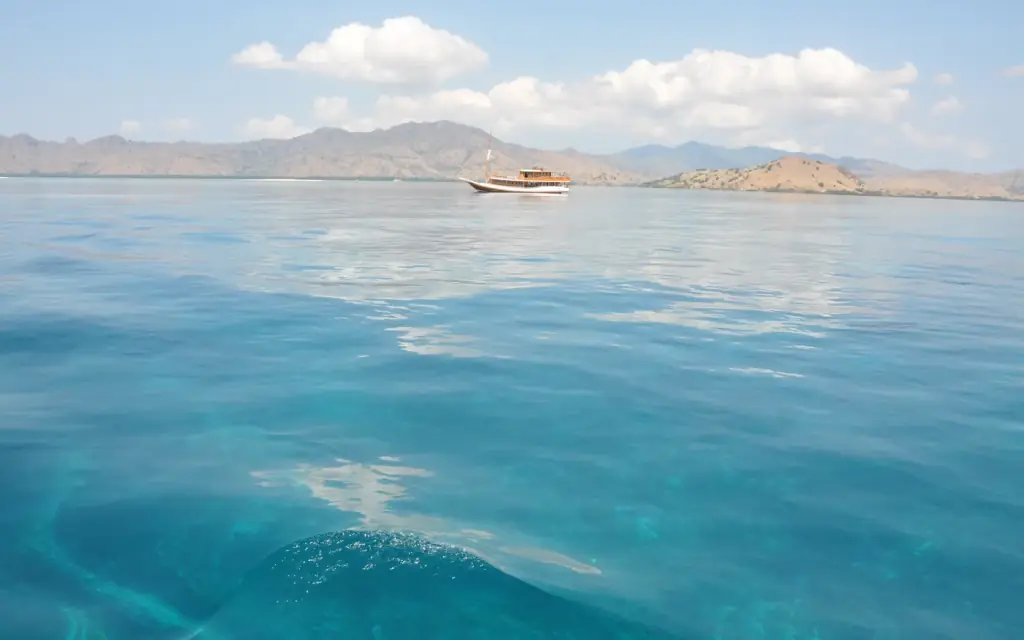
Kanawa Island Snorkeling Safety & Reef Etiquette
Updated: August 2026 Kanawa Island is one of the safer places to snorkel near Labuan Bajo, but “beginner-friendly” is not the same…
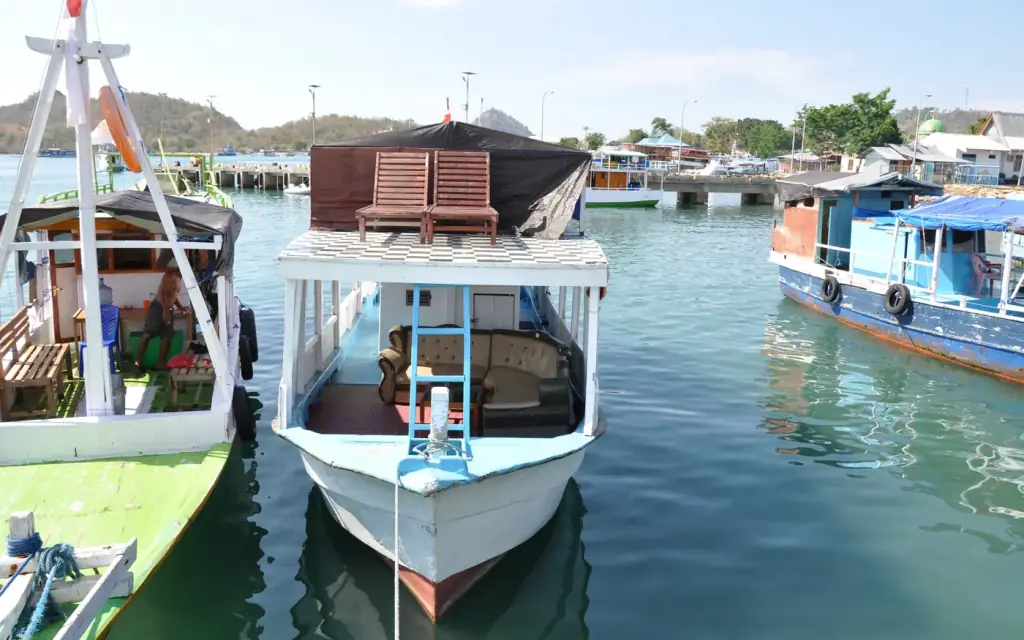
Travel Insurance & Health Prep for Kanawa Island
Updated: August 2026 Kanawa Island itself has no medical post, clinic or pharmacy — the nearest real medical facilities are in Labuan…
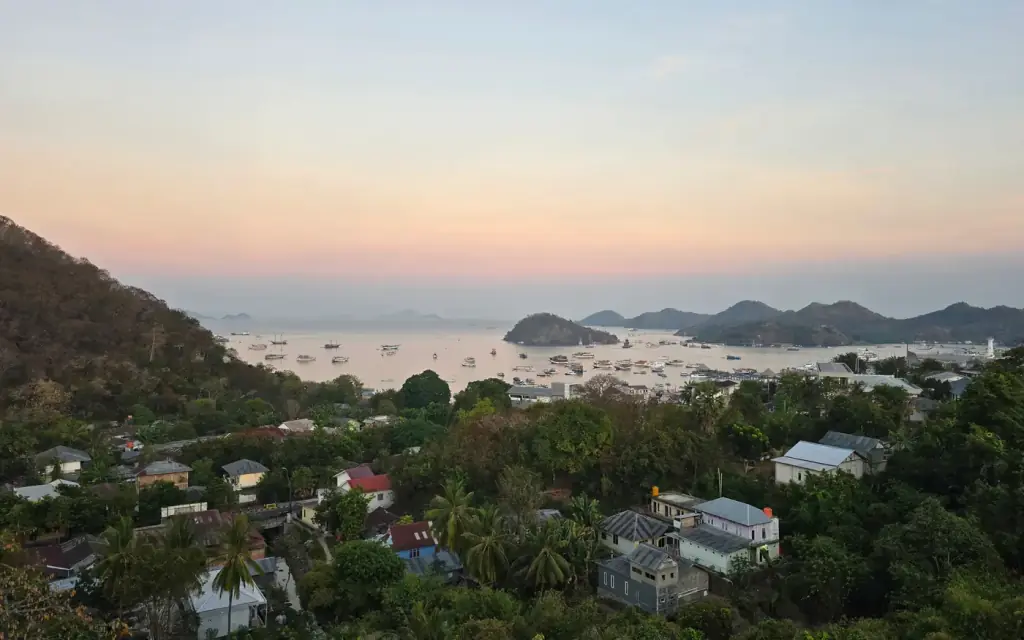
Kanawa Island Solo Travel & Female Safety Guide
Updated: August 2026 Solo travelers, including solo women, visit Kanawa Island regularly and generally find it straightforward and safe — the real…
Planning a day around Kanawa?
Komodo Luxury sits in Labuan Bajo and checks conditions the evening before and the morning of every departure. Send your dates and you get a written quote — fares, inclusions, and park fees stated separately.