
Kanawa Island Marine Life: Species You Actually See
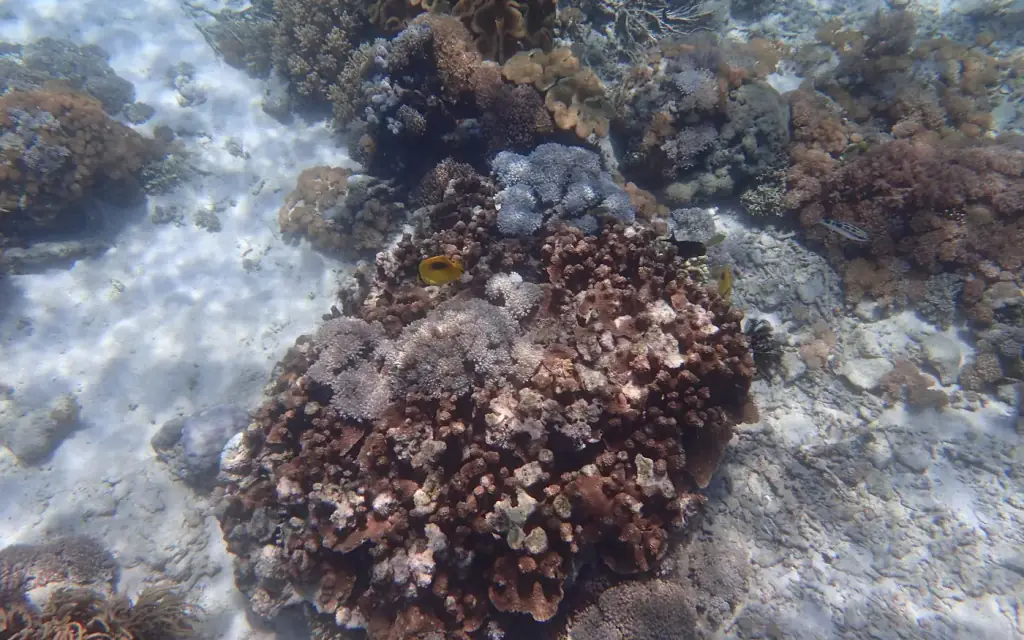 Photo: Hotel Kaesong / Wikimedia Commons (CC BY-SA 2.0)
Updated: August 2026
Kanawa Island’s house reef delivers classic Coral Triangle life within a short swim of the beach: reef-fish carpets of parrotfish, damselfish, and butterflyfish, resident clownfish in anemone patches, green and hawksbill turtles, juvenile blacktip reef sharks, and blue-spotted stingrays resting on sand. Manta rays are the one species people ask about most and see least — they are an occasional, seasonal pass-through at Kanawa, not a reliable sighting, and travellers who want a guaranteed manta encounter should book a dedicated trip to Manta Point instead.
The Fish You Will See on Almost Every Snorkel
Kanawa’s reef crest and upper slope, roughly 2 to 8 metres deep, carries the highest density of fish life and is where most snorkelers spend their time. Expect:
- Parrotfish grazing openly over coral heads, often in small schools.
- Damselfish and anthias forming dense, shimmering “carpets” over the reef crest.
- Butterflyfish and angelfish patrolling in pairs along the coral edges.
- Fusiliers moving in blue-and-gold schools through open water above the reef.
- Rabbitfish and wrasse feeding low over coral heads and sandy patches.
- Triggerfish, snappers, groupers, and jacks in slightly deeper water toward the wall.
- Moorish idols in the upper slope band alongside angelfish and butterflyfish.
None of this requires a boat or a guide to see — Kanawa’s reef starts about 30 metres off the beach, which is why it is consistently recommended for first-time snorkelers.
Kanawa’s Signature Sightings: Turtles, Reef Sharks, and Rays
Beyond the reef-fish community, three larger species show up often enough that guides treat them as near-routine rather than lucky:
- Green and hawksbill turtles — regularly reported cruising the slope or feeding, close to a daily sighting in season.
- Blacktip reef sharks — usually juveniles, seen in the shallows and along the wall, most active early morning.
- Blue-spotted stingrays — typically resting on sand at the deeper edge of the snorkel zone, easy to spot if you scan the sandy patches rather than only the coral.
These three are the honest headline species of a Kanawa snorkel — more reliable than manta rays, and arguably more interesting to watch at length since they tend to hold still rather than dart away.
What About Manta Rays? The Honest Answer
Manta rays are not a Kanawa house-reef species in any dependable sense. Some guides note seasonal pass-throughs, roughly December to March, when mantas occasionally move through the channels near the island — but this is opportunistic, not something a trip should be planned around. The reliable manta encounters in the region happen at dedicated sites with cleaning stations and known currents, principally Karang Makassar (Manta Point) and Mawan, both of which require a separate boat trip beyond Kanawa itself.
If seeing a manta ray is the priority for your trip, book the dedicated Manta Point day trip rather than treating a Kanawa visit as a manta trip. If Kanawa is your main stop and a manta shows up, treat it as a bonus — not the reason you came.
Coral and Reef Structure
Kanawa’s reef has real topographic variety within a short swim:
- Shallow protected flat (1–3 m): coral patches and anemone carpets close to the beach, suited to beginners and nervous swimmers.
- Reef crest and upper slope (2–8 m): the richest band for fish density and hard coral cover — most of a typical snorkel happens here.
- Wall (roughly 5–18 m in ledges): runs along the shoreline for hundreds of metres, dropping in stages rather than a sheer face; snorkelers stay in the shallower upper section, while the deeper ledges are more a diving feature.
Coral types include hard plate corals and branching staghorn (Acropora) on the crest, massive brain corals (Porites) scattered through the reef, and soft corals and sea fans appearing further down the slope. Kanawa sits within the Coral Triangle — the region of highest marine biodiversity on Earth, spanning Indonesia, the Philippines, Malaysia, Papua New Guinea, the Solomon Islands, and Timor-Leste — which is the underlying reason the species list above is as dense as it is for such a small, easily accessible reef.
Reef Health: What’s Actually Documented
Recent operator and guide descriptions consistently characterise Kanawa’s house reef as healthy, with strong coral cover and good fish biomass, rather than a degraded or heavily bleached site. To be precise about the limits of that claim: there is no widely published, rigorous scientific survey specifically quantifying coral cover or bleaching percentages at Kanawa’s reef — the assessment above is based on consistent operator and guide reporting rather than a peer-reviewed study, and conditions can vary with any given season’s water temperature and storm activity. Treat “healthy reef” as the honest current consensus, not a guaranteed permanent status, and expect natural year-to-year variation like any living reef.
Species You Are Most Likely to See, Ranked by Reliability
Based on how consistently each species is reported by snorkelers and operators at Kanawa’s own house reef:
- Parrotfish, damselfish, and anthias — seen on essentially every snorkel, day or season.
- Butterflyfish, angelfish, and fusiliers — seen on the large majority of visits.
- Clownfish in anemone patches — reliable if you know which patches to check; ask your guide.
- Green and hawksbill turtles — very likely, close to a daily sighting in season.
- Blue-spotted stingrays — likely if you scan sandy patches at the reef’s deeper edge.
- Blacktip reef sharks — regularly seen, especially early morning, usually juveniles.
- Triggerfish, snappers, groupers, and jacks — common toward the wall in slightly deeper water.
- Manta rays — occasional and seasonal (roughly December–March) only; not a dependable Kanawa sighting.
Best Time of Day to Spot Wildlife
Species visibility shifts through the day, and knowing this changes what you actually see:
- Early morning (first two hours after sunrise): calmest water and best light penetration onto the coral; blacktip reef sharks are most active in this window, and the reef crest fish carpets are typically at their densest before boat traffic picks up.
- Mid-morning to early afternoon: the busiest window for shared day-trip boats; fish behaviour is largely unchanged, but you’ll share the water with more snorkelers.
- Late afternoon: turtles are commonly reported feeding on the slope as light softens; this is also a good window for photography, since the sun sits lower and produces less harsh glare on the water’s surface.
Best Time of Year to Spot Wildlife
Most species on this list are present year-round, since Kanawa’s reef fish and resident turtles, sharks, and rays are not strongly seasonal. The one genuine seasonal factor is water clarity: visibility of 20 to 25 metres in the April–October dry season lets you see further across the reef and spot species at greater distance, while the December–March wet season’s 10 to 15 metre visibility means you’ll see the same species, just from closer range. See the full Kanawa Island weather by month table for how visibility shifts across the year, and treat December–March as the (slim) window for an opportunistic manta sighting if that is a priority.
Snorkeling Gear Tips for Spotting More Marine Life
- A well-sealed mask matters more than a premium snorkel — most missed sightings come from stopping to clear a leaking mask at the wrong moment.
- Move slowly and pause often rather than swimming continuously; reef fish and resting stingrays are far more visible to a still snorkeler than a fast-moving one.
- Scan sandy patches, not just coral — blue-spotted stingrays and resting turtles are easy to miss if you only look at the reef structure itself.
- Ask your guide before you enter which anemone patches currently have resident clownfish — this changes over time and a guide who visits daily will know the current spots.
Frequently Asked Questions
What fish can you see at Kanawa Island?
Parrotfish, damselfish, anthias, butterflyfish, angelfish, fusiliers, rabbitfish, wrasse, triggerfish, snappers, groupers, and jacks are all commonly reported on Kanawa’s house reef, alongside clownfish in anemone patches.
Are there manta rays at Kanawa Island?
Not reliably. Kanawa sees occasional, seasonal manta pass-throughs, roughly December to March, but the dependable manta encounters in the region are at Karang Makassar (Manta Point) and Mawan, which require a separate boat trip.
Can you see giant clams at Kanawa Island?
Giant clams are consistent with the type of coral-garden habitat Kanawa has, though they are not as prominently or specifically reported as the fish species above. Ask your guide to point out any clams during your snorkel, since sightings vary by exact spot on the reef.
Is Kanawa Island part of the Coral Triangle?
Yes. Kanawa sits just outside Komodo National Park’s boundary in central Indonesia, inside the Coral Triangle — the marine region with the highest coral and reef-fish biodiversity on Earth.
Is Kanawa Island’s coral reef healthy?
Current operator and guide reporting describes it as healthy with strong coral cover and no documented major recent bleaching event, though no formal published scientific survey specifically quantifies this for Kanawa’s reef.
See This Reef for Yourself
The species above are what you can genuinely expect on a Kanawa Island snorkel, not a marketing list. Komodo Luxury has run boats to Kanawa and the wider Komodo National Park out of Labuan Bajo since 2015, part of Juara Holding Group, operating from Bali across Indonesia. Tell Komodo Luxury your dates and swimming comfort level, and they will match you to a shared trip or private charter — including honest advice on whether the season fits a manta side-trip.
Explore the full Komodo boat trip range, or start with the own Kanawa Island snorkeling tour and Manta Point day trip for a guaranteed shot at both this reef and the region’s dedicated manta sites.
WhatsApp: +62 811-3810-8110 — chat with Komodo Luxury
Email: sales@komodoluxury.com
Plan Your Kanawa Island Visit
Practical Marine-Life Questions Snorkelers Actually Ask
What kind of marine life can you see when snorkeling at Kanawa Island?
On a normal Kanawa snorkel, expect classic Coral Triangle diversity rather than big-animal “shows.” The shallow flat holds anemones with clownfish, small wrasse, and juvenile damselfish. Over the crest, you’ll see schools of fusiliers, parrotfish, butterflyfish, and angelfish. Turtles, juvenile blacktip reef sharks, and blue-spotted stingrays appear often enough that several boats per week report them, especially during calm morning sessions.
Which Kanawa Island fish species do beginners notice first on the house reef?
If you are new to snorkeling, the fish you notice first are the bold, colourful ones that stay in the top few metres. Sergeant majors hover right under the surface, parrotfish cruise the coral loudly crunching algae, and butterflyfish pair up and move along the edges. Moorish idols, clownfish, and blue-yellow fusiliers are also easy to recognise and usually appear within minutes of leaving the beach.
What kind of marine life can I expect at Kanawa Island if I only stay near shore?
You do not need to swim far. Can I see coral reefs close to shore at Kanawa Island? Yes: scattered patches start in about a metre of water, then thicken into the main reef around 30 metres out. Even if you stay in chest-deep water, you’ll see anemones, clownfish, juvenile parrotfish, and small reef squid on calmer days, plus the occasional turtle passing just beyond the drop-off.
Where are the Kanawa Island best coral patches for snorkelers who are comfortable in the water?
Kanawa Island’s best coral patches for snorkeling sit along the main house-reef wall, away from the central swimming area. Swim out from the main beach to the mooring buoys, then turn left following the slope. Hard-coral cover and fish density are strongest between roughly 2–8 metres deep. Stay above the crest, drift slowly with the current, and avoid crossing the sand channels where boat traffic is higher.
What kind of marine life can you see at Kanawa Island if you’re used to diving elsewhere in Indonesia?
Think of Kanawa as a compact, easy-access sampler rather than a “trophy” site. Snorkeling the crest you will see the common reef fish — parrotfish, surgeonfish, rabbitfish, anthias, snappers, wrasse — plus the occasional cuttlefish, octopus and scorpionfish if you slow down and look closely. Macro enthusiasts sometimes find nudibranchs on the deeper slope. Strong pelagics are uncommon; for that, most divers pair Kanawa with a wider Komodo liveaboard itinerary.
Are turtles still regularly spotted near Kanawa Island and at what times of day?
Yes, both green and hawksbill turtles are still reported regularly around the house reef. Whether turtles are still regularly spotted near Kanawa Island and at what times of day mostly comes down to conditions. Calm mornings with good visibility give the best chances; guides often see them cruising the slope between 7–10 a.m. Late afternoon can also be productive as they move between feeding and resting spots.
Is there a “Kanawa Island must see” marine highlight beyond turtles and sharks?
Beyond turtles and juvenile blacktip reef sharks, the “kanawa island must see” for many snorkelers is the wall transition itself. Hovering at the edge of the drop-off, watching fusilier schools and jacks pass over layered plate corals, gives a real sense of depth in clear water. On some days you’ll see blue-spotted stingrays lined up on sand ledges below, and occasional larger groupers tucked under overhangs.
How strict is enforcement against stepping on coral or feeding fish at Kanawa Island?
There is no constant ranger presence, but local crews and some guides do speak up, so enforcement is informal but real. How strict enforcement is against stepping on coral or feeding fish at Kanawa Island depends who is watching, but you should assume both are off-limits. Use fins and a vest to stay afloat, keep at least a metre off the reef, and never bring bread or rice into the water.
Do I need a Kanawa Island day pass or special ticket just to snorkel the house reef?
Kanawa sits just outside Komodo National Park, so there is normally no park entry fee for a Kanawa-only day. However, most boats treat landing and snorkelling as part of a Kanawa Island day pass-style access contribution set by the island operator. This is separate from your boat cost and can change; confirm the current structure with your Labuan Bajo operator before you book.
What’s the easiest way to organise a day focused on Kanawa Island fish species snorkeling?
If your priority is fish life rather than ticking off many islands, ask operators for a Kanawa-focused itinerary with a late-morning high tide and at least two sessions on the house reef. Some travellers fold Kanawa into a broader speedboat loop; others opt for a slower wooden boat. For structured options, look at single-day routes under Komodo one-day trip packages and request extra time at Kanawa.
To turn this into a real visit, contact a Labuan Bajo operator before you fix dates. Komodo Luxury can bundle Kanawa with nearby islands or full-park routes; reach them on WhatsApp at +62 811-3810-8110 or email sales@komodoluxury.com. For sample itineraries, browse their Komodo boat trips and dedicated Kanawa Island page and then ask for a written quote for your dates.
Kanawa's reef and wildlife — more from the Journal
Keep reading
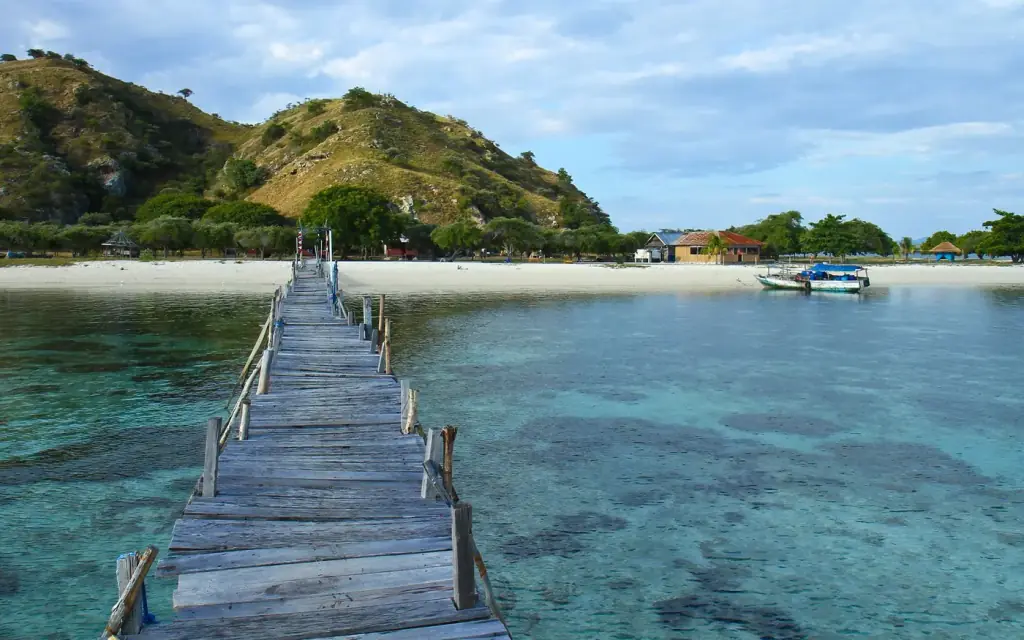
How Many Hours Do You Need on Kanawa Island?
Updated: August 2026 Most visitors need a minimum of 3 hours on Kanawa Island to snorkel the house reef properly and relax…
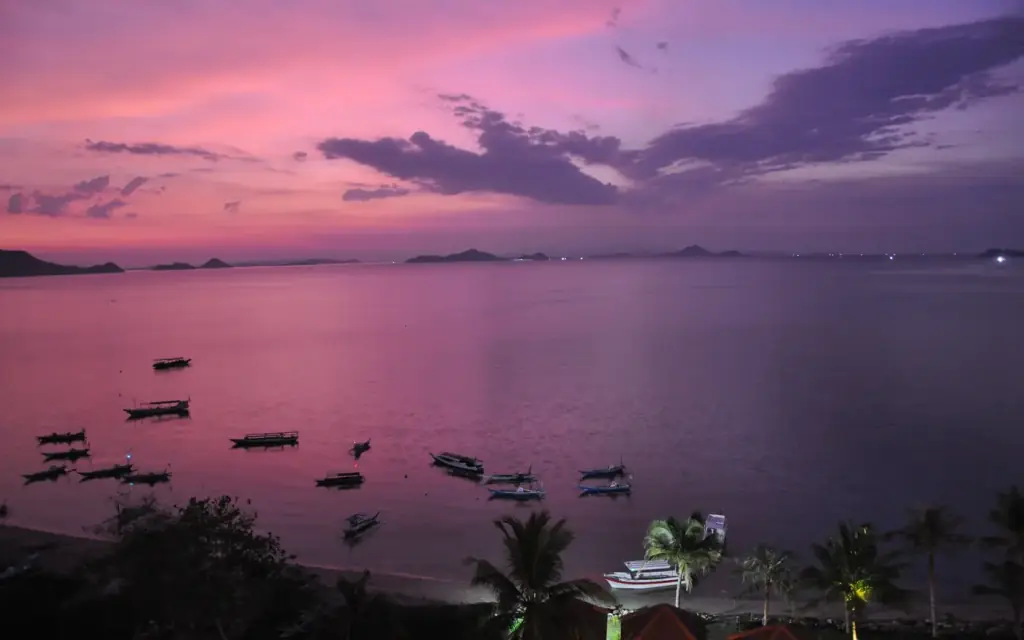
Sunrise or Sunset at Kanawa Island? Photographer Call
Updated: August 2026 Sunset wins for most photographers at Kanawa Island: the west-facing beach puts the sun going down directly over open…
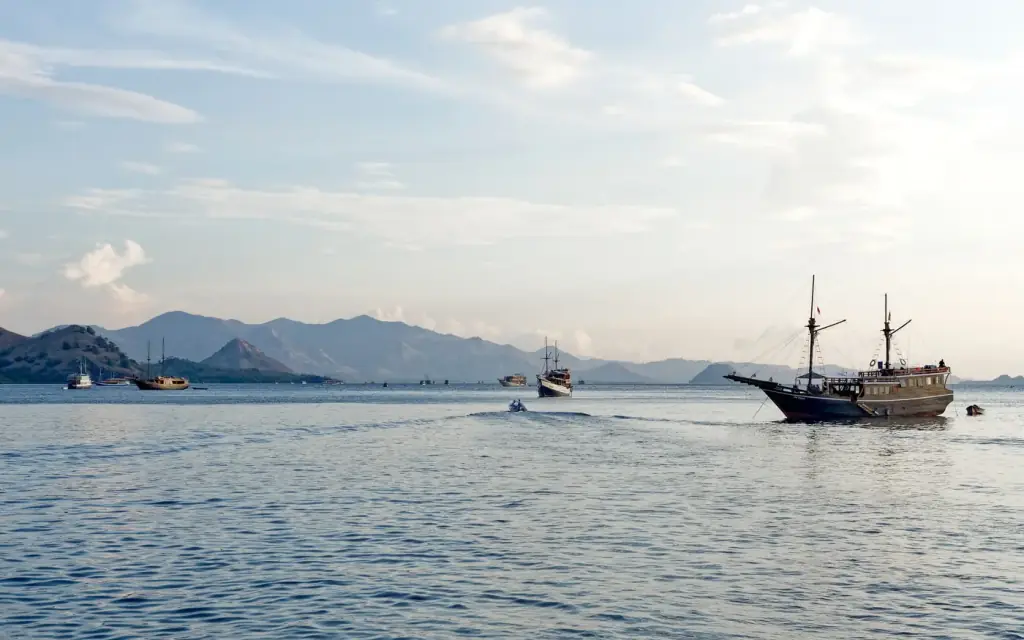
Kanawa Island Peak Season Crowds & How to Dodge Them
Updated: August 2026 Komodo National Park’s official 2024 figures show August as the single busiest month (43,302 visitors), with July through October…
Planning a day around Kanawa?
Komodo Luxury sits in Labuan Bajo and checks conditions the evening before and the morning of every departure. Send your dates and you get a written quote — fares, inclusions, and park fees stated separately.