
Kanawa Island House Reef: Zone-by-Zone Snorkel Map
Yes, Kanawa Island has a real house reef 30 m off the beach. Shore-entry map: where to get in, depth zones, what lives where, and the best tide to snorkel.
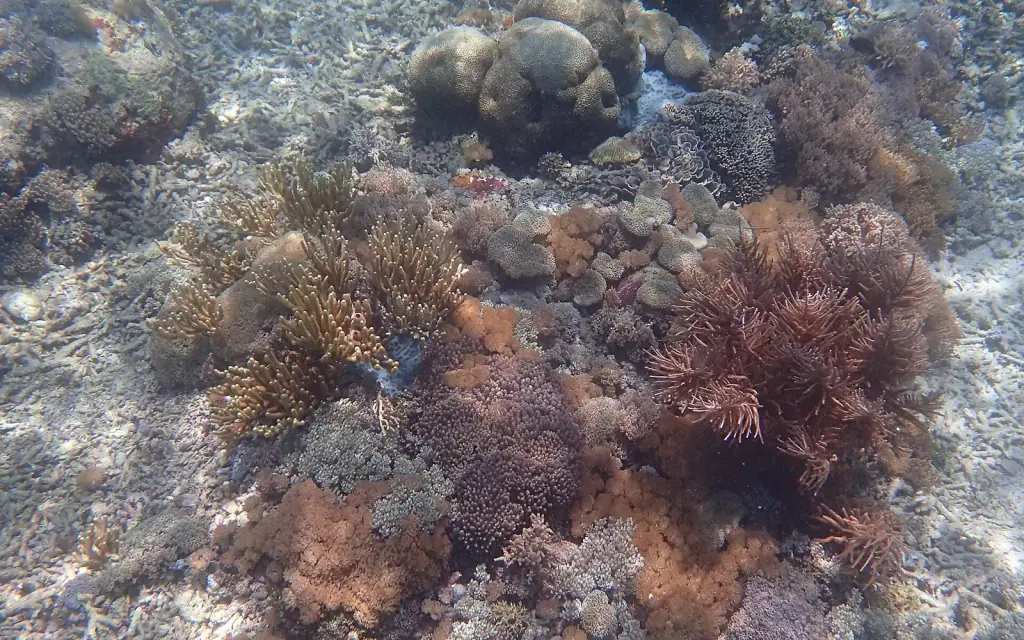 Photo: Hotel Kaesong / Wikimedia Commons (CC BY-SA 2.0)
Updated: August 2026
Yes — there is a genuine house reef at Kanawa Island, and it is the main reason snorkelers rate this small island so highly. The Kanawa Island house reef is a fringing coral reef that begins roughly 30 meters off the main beach, which means you snorkel it directly from shore — no boat drop, no swim platform, no schedule. This guide maps the reef zone by zone, from the sandy reef flat where the old jetty was to the drop-off where the slope falls into blue water, so you know exactly where to get in, where to look, and where not to put your fins.
For context: Kanawa is a small island of roughly 32 hectares — about 1.4 kilometers long and 0.4 kilometers wide — between Labuan Bajo (Flores, East Nusa Tenggara) and the main Komodo National Park sites, at approximately 8°29’S, 119°46’E. The crossing from Labuan Bajo harbor takes around 20 to 35 minutes by speedboat, or 45 to 75 minutes by slower wooden boat. That short transfer is what makes this reef unusual in the Komodo area: most famous snorkel sites here are boat-drop sites, while Kanawa gives you a reef you can walk into.
Is There a House Reef at Kanawa Island?
A “house reef” means a reef directly in front of a beach that you can enter and exit on foot, snorkeling it as many times a day as you like. Kanawa’s qualifies on every count. The reef wraps the island’s northeastern shore — the same side as the main beach — and runs from a shallow reef flat through seagrass patches to a coral slope that falls away beyond comfortable snorkel depth. Resident marine life stays on the reef year-round, so unlike a manta or current-swept channel site, you are not gambling on a seasonal encounter. Through the April–October dry season visibility commonly runs 20–25 meters, which is generous for a shore-entry site.
Two practical notes before the zone map. First, the reef flat is shallow and fragile, and tide state changes it more than anything else — our dedicated tides and currents guide covers exactly how the roughly 1–3 meter tidal swing here affects entry depth. The single most important skill on this reef is keeping your fins off the coral regardless of tide. Second, island access is managed — day visitors arrive by boat and, as of 2026, the island’s long-running eco-resort operation receives day guests by prior arrangement, so the beach never feels like a mass-tourism stop.
The House Reef Zone Map: Four Bands, One Loop
Think of the entire snorkelable area as four concentric bands running from the sand to open water, plus three shore entries that feed into them. Guides brief arriving groups on the day’s conditions, and tide can shift which entry works best, but the zone structure itself stays constant every day of the year.
| Zone | Depth | What’s there | Safety note |
|---|---|---|---|
| Zone 1 — Reef flat | Shallower than the 1–3 m flat | Sand-and-coral corridor closest to the beach; juvenile damselfish, small wrasse, occasional clownfish anemone | Too shallow to swim over at low tide — cross on the sand channel only, never stand on coral |
| Zone 2 — Seagrass shallows | 1–3 m | Seagrass-over-sand between the old landing and the crest; the island’s turtle-grazing zone, occasional resting rays | Calm and beginner-safe; hold still rather than chasing turtles |
| Zone 3 — Reef crest and upper slope | 2–8 m | The richest band: hard and soft coral, parrotfish, angelfish, butterflyfish, Moorish idols, dense anthias clouds | Fully visible from the surface — no duck-diving needed, safe for confident beginners |
| Zone 4 — Lower slope and drop-off | 5–18 m | Bigger schools, hunting trevally, occasional blacktip reef shark, turtles commuting to and from the seagrass | Snorkelers see only the upper edge; current picks up here — check with your guide before pushing past the crest |
A routing that works for most visitors: enter from the beach where the jetty used to be, drift along the seagrass looking for turtles (Zone 2), cross to the reef crest (Zone 3), follow the slope toward the northern corner, then exit back through the central sand channel (Zone 1). That single loop covers every zone the reef offers in under an hour of unhurried swimming.
Shore Entry Points: Where to Get In
| Entry | Where it is | First water | Best for | Watch for |
|---|---|---|---|---|
| Main beach entry | The centre of the main beach, where the jetty used to stand | Sand and seagrass, roughly 1–3 m | Easiest all-tide entry; fish life around the remaining pylons of the dismantled jetty from the first minute | Boat traffic at arrival and departure windows — stay clear when shuttles maneuver |
| Central beach channel | Middle of the main beach | Sandy channel through the reef flat | Beginners and families at mid-to-high tide; gradual, feet-on-sand start | Live coral on both sides of the sand — swim the channel, never stand on the flat |
| Northern corner | Far end of the beach toward the reef shoulder | Quickest route over the crest to the slope | Confident snorkelers heading straight for the drop-off and bigger fish | Current picks up off the corner; check conditions with your guide first |
When Is the Best Time to Snorkel the House Reef?
Per 2026 conditions, the dry season from April through October gives the most consistent water: calmer surface, better light, and visibility at the top of its range. The reef remains snorkelable in the wet season, but rain runoff and wind chop can soften visibility for a day or two at a time.
- Time of day: early morning is the glass-off window — flat water, low sun angle for photography, and the reef to yourself before day boats arrive from Labuan Bajo mid-morning. Our crowd-pattern guide maps this hour by hour if you want to time it precisely.
- Tide: mid-to-high tide makes every entry easier and puts safe clearance between you and the reef flat. At low tide, use the central sand channel to enter and stay seaward of the crest — see our tides guide for the full mechanics.
- Late afternoon: often the best fish activity of the day on the upper slope, after most day-trip groups have already departed.
That pattern is the strongest argument for sleeping on or near the island: day-trippers get the midday reef, overnighters get the reef at its best. If dawn on an empty house reef appeals, the Kanawa Island overnight and camping guide covers island stays built around exactly that schedule.
Shore-Entry Safety and Reef Etiquette by Zone
- Zone 1 (reef flat): never stand on coral; if you need to rest, swim back to the sand channel or float on your back. Shallow fin kicks here are the single top cause of reef damage on this site — cross with arms only, fins still, where the water is thin.
- Zone 2 (seagrass): give turtles space — hold position and let them surface on their own; never block a path to open water.
- Zone 3 (crest and upper slope): stay above the coral rather than duck-diving into it; this is where most photography happens, and crowding around a single feature stresses the fish more than it needs to.
- Zone 4 (drop-off): respect the current line at the northern corner and turn back along the slope early rather than fighting it at the point; this zone is where a guided dive, not a snorkel, is the right tool if you want to go deeper.
- All zones: use reef-safe sunscreen or a rash guard, snorkel with a buddy, and tell your guide or the beach desk your rough loop before you enter — it is a shore entry, but it is still a remote island.
Do You Need a Tour to Snorkel the Kanawa Island House Reef?
You do not need a guide in the water, but you do need a boat to reach the island, and access is arranged rather than walk-up. Most visitors come on a day trip from Labuan Bajo pairing the house reef with nearby park highlights. As of 2026, a shared Komodo speedboat day tour that includes Kanawa starts from USD 90 per person (Komodo Luxury, checked 25 August 2026); the statutory Komodo National Park entrance fee (IDR 250,000/day for foreign visitors, per PP No. 36/2024) applies only when your route also stops inside the park boundary — Kanawa itself lies outside it and generally carries no separate park entrance fee. All figures are indicative and reviewed periodically — confirm the exact breakdown for your date when you book, and see our cash and payments guide for what to actually bring, since there is no ATM on the island.
If the reef is your priority, choose an itinerary built around water time rather than a checklist of stops. The Kanawa Island snorkeling tour is structured exactly that way: unhurried house-reef sessions at the right tide, guided entries for first-timers, and equipment that actually fits. Divers can extend the same day underwater on the dive day trip, and anyone chasing the sunrise reef can build in a night through the overnight desk.
More Kanawa Island Snorkeling Guides
This zone map is one piece of a wider snorkeling picture. For the full destination overview, start at our Kanawa Island snorkeling guide, then branch into whichever question matches your trip:
- Kanawa Island snorkeling for beginners — a gentler walkthrough if this is your first reef.
- Best snorkeling spots near Labuan Bajo, ranked — how Kanawa compares to the wider region’s options.
- Manta ray season in Komodo — for the pelagic encounters this house reef does not offer.
- Tides, currents, and the sandbar — the mechanics behind everything on this page.
Frequently Asked Questions
How far off the beach does the Kanawa Island house reef start?
Roughly 30 meters from the main beach at the former jetty site, closer at some points along the central sand channel. You reach coral within a few fin kicks of wading in.
What is the best zone for someone snorkeling for the first time?
Zone 2 (the seagrass shallows) and the shoreward edge of Zone 3 (the reef crest) — 1–3 m over the seagrass and 2–8 m at the crest — are both fully visible from the surface, and hold the turtles and reef fish most first-timers come for.
Are there sharks on the Kanawa Island house reef?
Occasionally, at the Zone 4 drop-off — blacktip reef sharks are reported patrolling the deeper line beyond the crest. They are not a regular Zone 1–3 sighting and are not considered a hazard to snorkelers who stay on the upper slope.
Can beginners and non-swimmers do the house reef safely?
Yes, with a central-channel entry from the beach at mid-to-high tide and a life jacket if needed — the shallow seagrass zone in particular is calm enough for nervous swimmers, unlike many current-swept sites elsewhere in Komodo National Park.
Plan Your House Reef Day
The Kanawa Island house reef rewards a little planning — the right tide, the right entry, and enough time in the water — far more than a rushed forty-minute stop. Tell Komodo Luxury your dates, your swim confidence, and whether turtles, corals, or photography top your list, and they will build the day (or overnight) around the reef itself. Trips are operated with Komodo Luxury, part of Juara Holding Group, founded 2015.
Message Komodo Luxury on WhatsApp at +62 811-3823-875 or email sales@komodoluxury.com for a same-day itinerary and quote.
House Reef Snorkeling Questions We Get on Kanawa
Can I snorkel directly from the beach at Kanawa Island, or do I need a boat?
You can snorkel the Kanawa Island house reef directly from the main beach; no boat drop is involved. Walk out from the central beach, wade across the sand-and-coral corridor, then swim another 20–30 meters to reach the reef crest. This is classic shore-entry snorkeling: plan it around mid to high tide so you are not scraping over shallow coral.
Is there a map of the house reef I can use to plan my route?
The zone descriptions on this page work as a practical map of the house reef: four bands from reef flat to drop-off, plus clear shore entries. Most boats do a quick surface briefing pointing out the reef crest line and where not to walk. If you like having something in hand, save this page offline before leaving Labuan Bajo and use it as your map of entry points, since signal out here is unreliable.
What is the depth of the reef at Kanawa Island, and how deep will I actually snorkel?
The house reef starts in about 1–3 meters over the flat, then slopes down. Snorkelers usually stay between roughly 2–8 meters depth over the crest and upper slope; that’s where most of the color and fish action is. Beyond that, the wall keeps dropping into blue water — the depth of reef at Kanawa Island goes far beyond normal snorkel comfort, so you simply hover along the top edge.
Which part of the house reef suits less confident swimmers?
The closest thing to a dedicated beginner zone is the seagrass shallows between the main beach and the reef crest. Here you have 1–3 meters of water, sand patches to stand on at higher tide, and frequent turtle visits. Stay landward of the main coral heads, use a snorkel vest if needed, and avoid pushing out to the reef slope if you’re not comfortable with occasional current.
What is the reef like around Kanawa Island beyond the main house reef loop?
The classic loop follows the sheltered north-eastern house reef, the side that faces Labuan Bajo. As you walk or swim further around the island, the coral becomes more patchy and exposed to wind and swell, with stronger tidal flow in some corners. Most casual visitors stick to the main beach and the snorkel area at the centre of the bay, where coral cover is denser and entries are straightforward. Circling the whole island is for stronger swimmers who know how to read current.
How strong is the current out on the reef slope?
On calm days, the upper slope feels like a gentle drift, especially if you start upcurrent and let yourself glide along the crest. On spring tides, or when wind and tide align, the reef slope near the drop-off can tug you noticeably sideways or outwards. Stay over the reef top, not out in the blue; if you feel the push increasing, angle back towards the seagrass zone and exit early rather than fighting the flow.
Do I need precise GPS coordinates for the main snorkeling spot on the house reef at Kanawa Island?
Most visitors don’t bother. The main landing beach is the landmark: wade in from the centre of the beach and swim straight out to find the crest. If you’re captaining or chartering a boat and want precise GPS coordinates for the main snorkeling spot on the house reef at Kanawa Island, ask your operator to mark their usual mooring; local skippers already have safe anchoring points logged so they avoid damaging coral.
What time of day gives the best light and conditions for snorkeling?
For visibility and color, mid-morning to early afternoon usually works best: the sun is high enough to light up the reef, and wind chop often builds only later. Combine that with a mid to high tide and you’ll glide over coral rather than tiptoeing through ankle-deep water. If you can choose, match your schedule to the tide tables first, then aim to hit the crest between about 09:00 and 14:00 for the clearest view.
Can I rent a snorkel vest on the beach, or should I bring my own?
Gear availability changes with how actively the on-island operation is being run; there is no year-round rental counter you can count on. Some day boats carry vests and full snorkel sets; others expect you to bring your own. If you’re not a strong swimmer, confirm with your Labuan Bajo operator in advance that they’ll provide a vest, and don’t rely on picking one up once you land.
How do I add Kanawa’s house reef to a wider Komodo snorkeling itinerary?
Kanawa works well as the gentle, low-current stop on a day that also includes more exposed sites inside the park. Many boats stop here first or last to give people an easy shore entry between the channel drifts. If you’re planning a custom route, discuss a mixed day with your operator or look through their published options for relaxed sites like Kanawa on their Komodo snorkeling activity ideas.
To turn this reef plan into an actual day out, contact a licensed operator in Labuan Bajo. Komodo Luxury can quote Kanawa-only transfers or combine the house reef with other stops via private or shared boat trips. Message them on +62 811-3823-875 or email sales@komodoluxury.com, and browse boat options on their speedboat charter page before you commit.
Snorkelling at Kanawa — more from the Journal
Keep reading
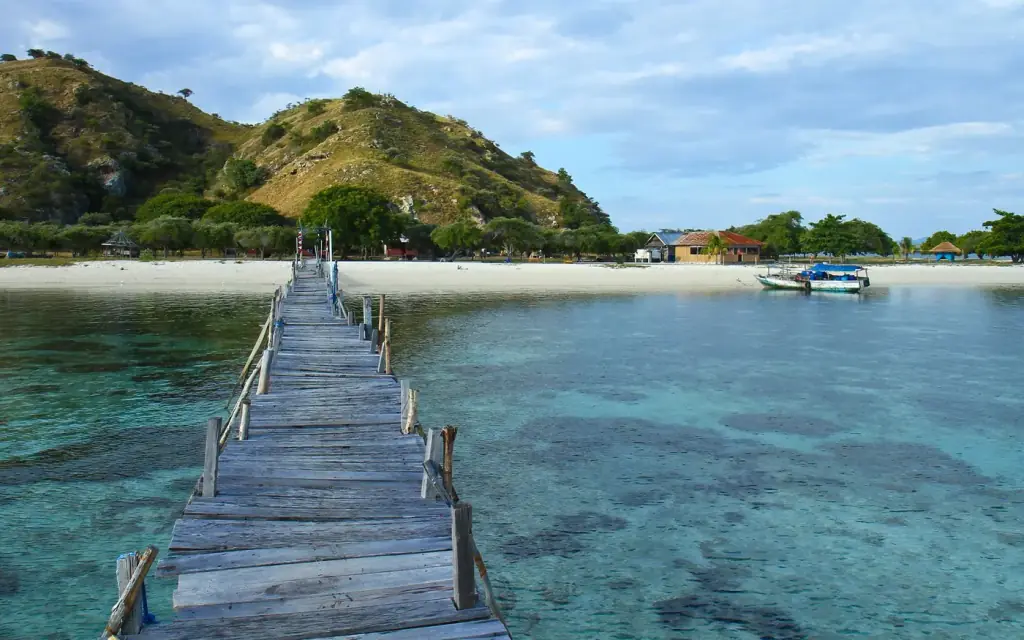
How Many Hours Do You Need on Kanawa Island?
Updated: August 2026 Most visitors need a minimum of 3 hours on Kanawa Island to snorkel the house reef properly and relax…
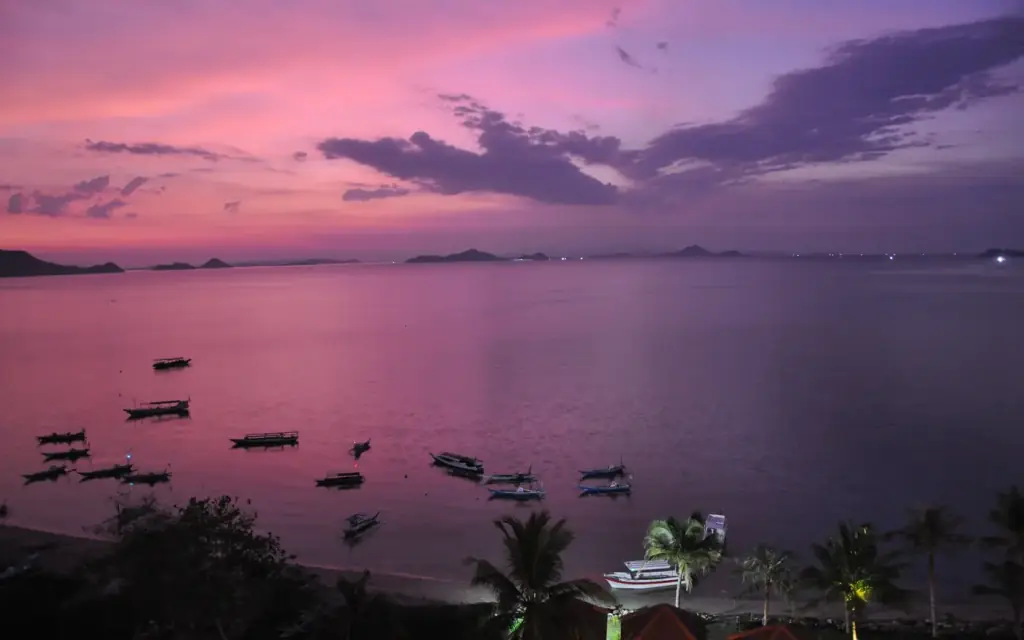
Sunrise or Sunset at Kanawa Island? Photographer Call
Updated: August 2026 Sunset wins for most photographers at Kanawa Island: the west-facing beach puts the sun going down directly over open…
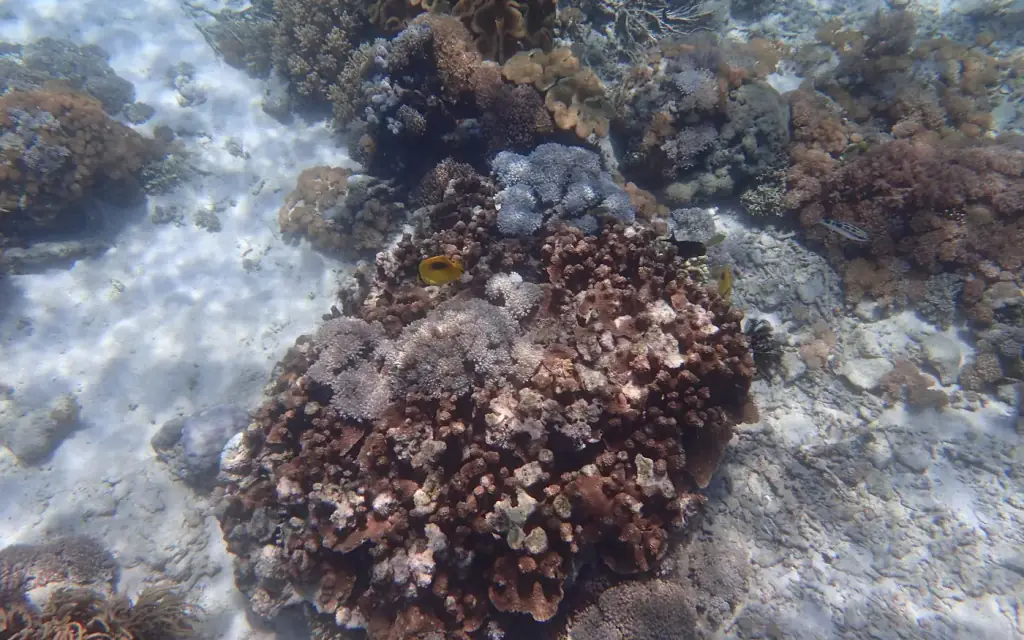
Kanawa Island Marine Life: Species You Actually See
Updated: August 2026 Kanawa Island’s house reef delivers classic Coral Triangle life within a short swim of the beach: reef-fish carpets of…
Planning a day around Kanawa?
Komodo Luxury sits in Labuan Bajo and checks conditions the evening before and the morning of every departure. Send your dates and you get a written quote — fares, inclusions, and park fees stated separately.