
Manta Ray Season in Komodo: Best Months & Where to Go
Manta ray season in Komodo explained: peak months at Manta Point, month-by-month odds, snorkel vs dive encounters, etiquette, and day-trip planning from Kanawa.
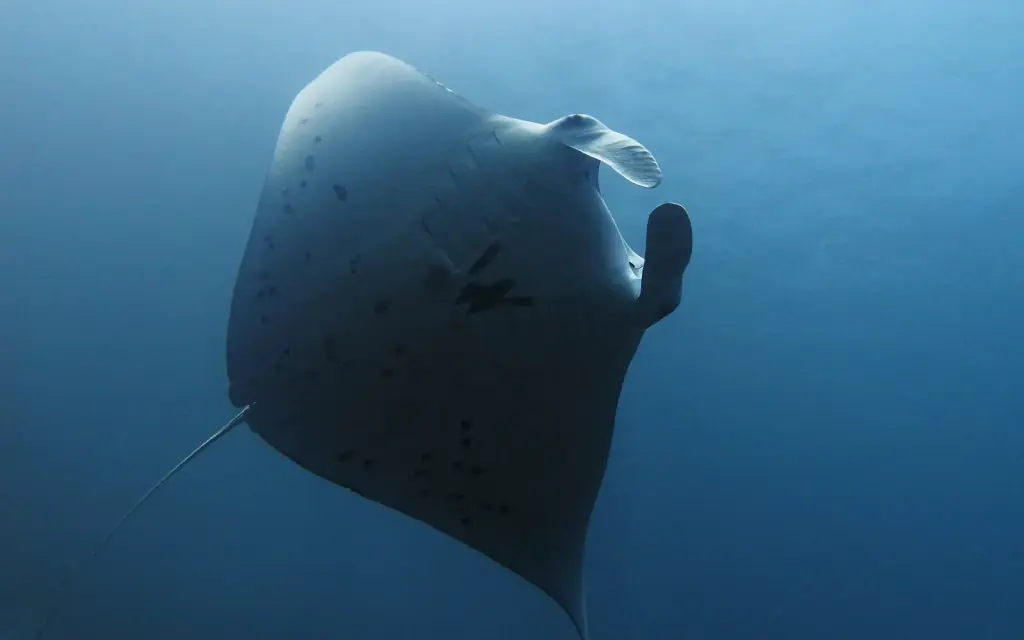 Photo: Alexander Vasenin / Wikimedia Commons (CC BY-SA 3.0)
Updated: August 2026
Manta rays can be seen in Komodo National Park in every month of the year, so there is no wrong time to look for them — but the odds are not evenly spread. The peak of the manta ray season in Komodo runs roughly from December to March, when plankton-rich wet-season water pulls large feeding groups of reef mantas onto the shallow plateau at Karang Makassar, the site most boat crews simply call Manta Point. The dry months from April to October trade those big aggregations for calmer seas, clearer water, and steady activity at the cleaning stations, which makes them the more comfortable window for most day-trip travelers. This guide breaks the year down month by month, compares the main manta sites, and explains how to plan an encounter from Labuan Bajo or Kanawa Island.
When Is Manta Ray Season in Komodo?
Strictly speaking, manta ray season in Komodo never fully closes. The park’s resident population is dominated by reef manta rays (Mobula alfredi), which do not migrate away from the region; they move between feeding areas and cleaning stations inside the park as conditions change. What changes through the year is why the mantas show up and how many you are likely to see at once.
- December to March (wet season): Rain and shifting currents load the water with plankton. This is when Karang Makassar produces its famous days — multiple mantas barrel-rolling and chain-feeding near the surface. The trade-off is reduced visibility and occasional rough or cancelled crossings.
- April to June (early dry season): Seas settle, visibility improves, and mantas remain regular visitors to the cleaning stations. Many guides consider this the best all-round balance of comfort and sighting odds.
- July to September (peak dry season): The busiest tourism months. Sightings continue at Karang Makassar and Mawan, usually smaller groups attending cleaning stations rather than mass feeding events. Cooler upwellings from the south keep the marine life active.
- October to November (transition): Warm, glassy conditions with good visibility. Sightings stay consistent, and boat traffic thins out after the high-season crowds.
One honest caveat that any credible operator will give you: mantas are wild animals, and no month carries a guarantee. Crews read the tide and current on the day and position the boat where mantas are most likely to be — that local judgment matters more than the calendar page.
Month-by-Month Manta Sighting Guide
| Months | Sea conditions | Manta activity | Planning notes |
|---|---|---|---|
| Dec – Feb | Wet season; rain showers, some rough crossings | Peak feeding aggregations at Karang Makassar | Book flexible dates; weather cancellations possible |
| Mar | Transition; improving steadily | Feeding activity tapers, still strong | Good-value shoulder month |
| Apr – Jun | Calm seas, visibility often 15–25 m at the manta sites | Reliable cleaning-station encounters | Best overall balance for snorkelers |
| Jul – Sep | Dry, sunny, busiest period | Consistent sightings, smaller groups | Reserve early; sites see more boats |
| Oct – Nov | Warm, glassy water | Steady cleaning-station activity | Quieter sites, excellent photography light |
Where Are the Best Manta Sites in Komodo?
Karang Makassar (Manta Point)
A long, shallow rubble plateau in the central park, mostly 5–15 meters deep, swept by gentle-to-moderate current. Boats drop snorkelers and divers up-current and let them drift the length of the reef past a series of cleaning stations. Because the site is shallow, snorkelers on the surface often see mantas just as well as divers below — sometimes better during surface feeding. This is the site featured on the Kanawa and Manta Point day trip, and it is realistic to visit it and still have a full afternoon on Kanawa’s house reef.
Mawan
A small sandy island between Padar and Komodo with a sloping reef and a well-established cleaning station. Conditions are usually calmer than Karang Makassar, which makes Mawan a forgiving backup for families and first-time snorkelers when the current at Manta Point is running hard. Crews frequently pair the two sites in a single morning.
Manta Alley (South Komodo)
The park’s third famous manta site sits at the remote southern tip of Komodo Island. It is a superb dive, but it lies beyond practical day-trip range from Labuan Bajo and is normally visited only by multi-day boats. For a day-based itinerary built around Kanawa, Karang Makassar and Mawan are the sites that matter — and they deliver the large majority of the park’s manta encounters.
Snorkeling or Diving: Which Gives the Better Manta Encounter?
Both work, and the right choice depends on the season and your certification.
- Snorkeling shines during the December-to-March feeding period, when mantas cruise open-mouthed just below the surface. Karang Makassar’s shallow profile means surface swimmers are often closer to the action than divers hugging the bottom. No certification is needed, so mixed groups and children who swim confidently can all take part.
- Diving is the stronger option in the dry season, when activity centers on cleaning stations at depth. Kneeling quietly on the rubble (never on coral) a respectful distance from a station lets you watch mantas hover and circle for minutes at a time — an experience surface snorkelers largely miss. Certified divers can pair Manta Point with Kanawa’s own walls on a Kanawa Island dive day trip.
If you are torn, seasonality is a sensible tiebreaker: wet season favors the snorkel, dry season favors the tank.
How Should You Behave Around Manta Rays?
Manta rays have been fully protected in Indonesian waters since 2014, when the government declared the country’s entire maritime territory a manta sanctuary — a protection that remains in force as of 2026. Good encounter etiquette keeps that protection meaningful:
- Keep at least 3 meters of distance and never touch a manta — contact removes their protective mucus layer.
- Approach slowly from the side, never from behind or directly in front of their path.
- Do not chase, dive down onto, or block a manta at a cleaning station; let the animal control the encounter.
- Stay calm and horizontal at the surface when snorkeling; splashing drives mantas deeper.
- Skip flash photography and wear reef-safe sunscreen.
- Never stand on or kick the reef — at Karang Makassar, settle only on bare sand or rubble.
Crews brief these rules before every drop; guests who follow them consistently get the longest, closest encounters, because relaxed mantas linger.
Planning a Manta Day Trip Around Kanawa Island
Kanawa Island sits about 20–35 minutes by speedboat from Labuan Bajo, on the northeastern edge of Komodo National Park, which makes it a natural anchor for a manta itinerary: a morning drift at Karang Makassar (with Mawan as a second stop when conditions allow), then an afternoon of easy snorkeling on Kanawa’s house reef, which begins roughly 30 meters off the beach. Practical numbers to budget, as of 2026:
- Park entrance fee: IDR 250,000 per person per day for foreign visitors (WNA), per PP No. 36/2024 — applies because Karang Makassar (Manta Point) sits inside Komodo National Park.
- Shared day trips from Labuan Bajo that include Manta Point are priced per operator, depending on boat type and stops; private speedboat charters cost more. Treat all figures as indicative until confirmed on a dated quote.
- Timing: depart early — currents at Manta Point are usually most manageable in the morning, and sites are quieter before the main boat wave arrives.
Itineraries, boat categories, and current pricing for the manta route are laid out on the Manta Point day trip page.
Ready to Time Your Manta Encounter?
Whatever month you are traveling, there is a workable manta ray season in Komodo waiting for you — the planning question is simply whether you optimize for feeding spectacle, calm seas, or quiet sites. These waters are run daily by Komodo Luxury, an operator based in Labuan Bajo and part of Juara Holding Group, founded 2015. Send Komodo Luxury your travel dates on WhatsApp at +62 811-3823-875 or email sales@komodoluxury.com, and Komodo Luxury will tell you frankly what the conditions and sighting odds look like for your window before you commit to a booking.
Plan Your Kanawa Island Visit
Practical Questions About Manta Rays Around Komodo and Kanawa
How do Kanawa Island and Taka Makassar compare for manta ray chances?
If you are weighing your manta chances at each, treat Kanawa and Taka Makassar as very different stops. Kanawa’s house reef is great for coral and small fish; manta sightings directly off the beach are rare bonuses, not something to plan around. Taka Makassar and nearby Karang Makassar (Manta Point) are where crews actually target mantas, usually on a dedicated snorkel or dive stop during a wider park itinerary.
How often are manta rays seen near Kanawa and which nearby dive spots are best?
Kanawa itself is not a manta hotspot, but boats pass close to Karang Makassar on the way into central Komodo. In practice, how often you see mantas depends on whether your captain adds a stop at Manta Point or Mawan. From Kanawa, that detour is realistic in a day, leaving time to return for an afternoon snorkel on the house reef.
Can I combine Kanawa Island with a dedicated manta ray snorkel or dive in one day?
Yes, if the boat and timing are arranged upfront. A typical route is Labuan Bajo – Kanawa (morning snorkel) – Karang Makassar or Mawan for mantas – back to Labuan Bajo. When planning from town, look at structured itineraries on the Manta Point information page and ask operators whether they can start or finish your day at Kanawa Island.
How should I choose a boat or tour if mantas are my top priority from Kanawa?
Clarify two things: that your route includes Karang Makassar or another manta site, and that timing matches favorable tides. Private charters are usually priced per boat per day, while shared trips are per person; you will need a written quote for your exact plan. To keep logistics simple, you can start by browsing curated Komodo boat trips and then ask which options dovetail with a Kanawa stop.
Once your dates are fixed, the easiest way to turn this into a real itinerary is to share your preferred manta sites and whether you want Kanawa included via WhatsApp at +62 811-3823-875 or email sales@komodoluxury.com. You can then match that plan against existing Komodo snorkeling activities or join suitable shared open-trip departures if you do not need a private boat.
Kanawa against the other islands — more from the Journal
Keep reading
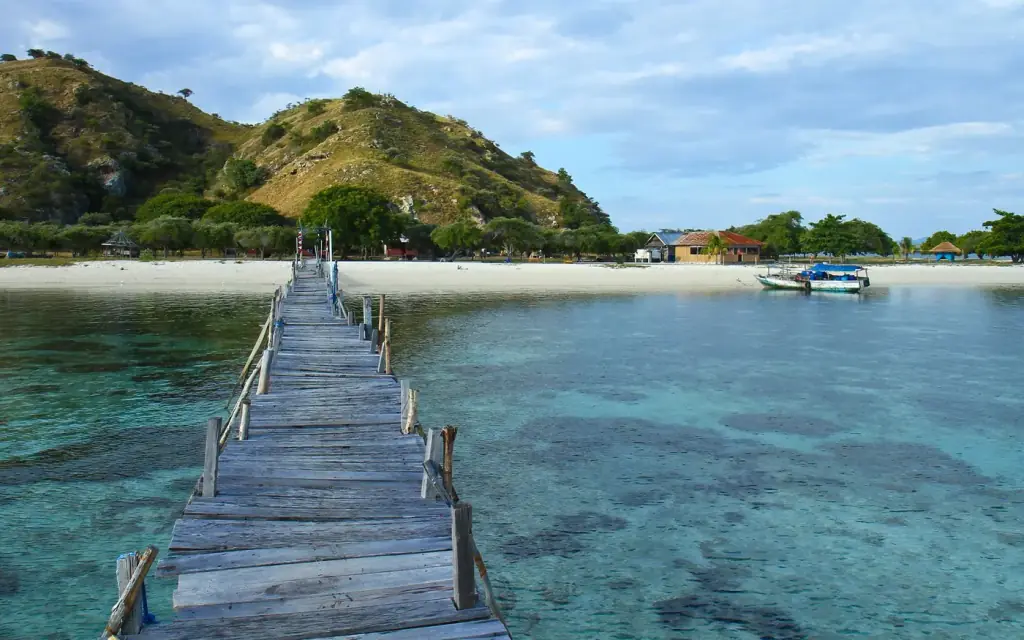
How Many Hours Do You Need on Kanawa Island?
Updated: August 2026 Most visitors need a minimum of 3 hours on Kanawa Island to snorkel the house reef properly and relax…
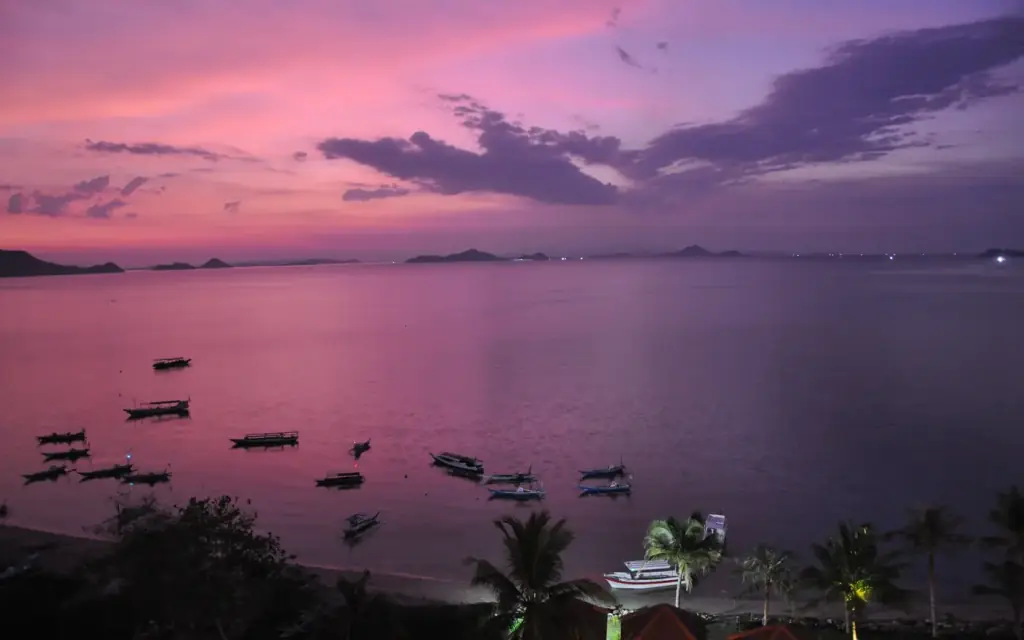
Sunrise or Sunset at Kanawa Island? Photographer Call
Updated: August 2026 Sunset wins for most photographers at Kanawa Island: the west-facing beach puts the sun going down directly over open…
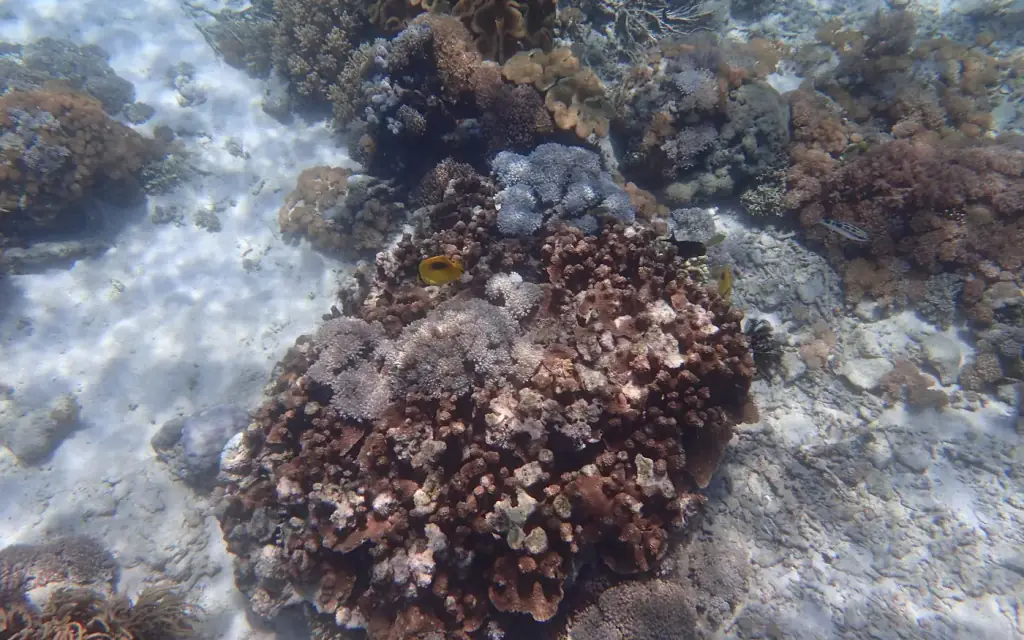
Kanawa Island Marine Life: Species You Actually See
Updated: August 2026 Kanawa Island’s house reef delivers classic Coral Triangle life within a short swim of the beach: reef-fish carpets of…
Planning a day around Kanawa?
Komodo Luxury sits in Labuan Bajo and checks conditions the evening before and the morning of every departure. Send your dates and you get a written quote — fares, inclusions, and park fees stated separately.