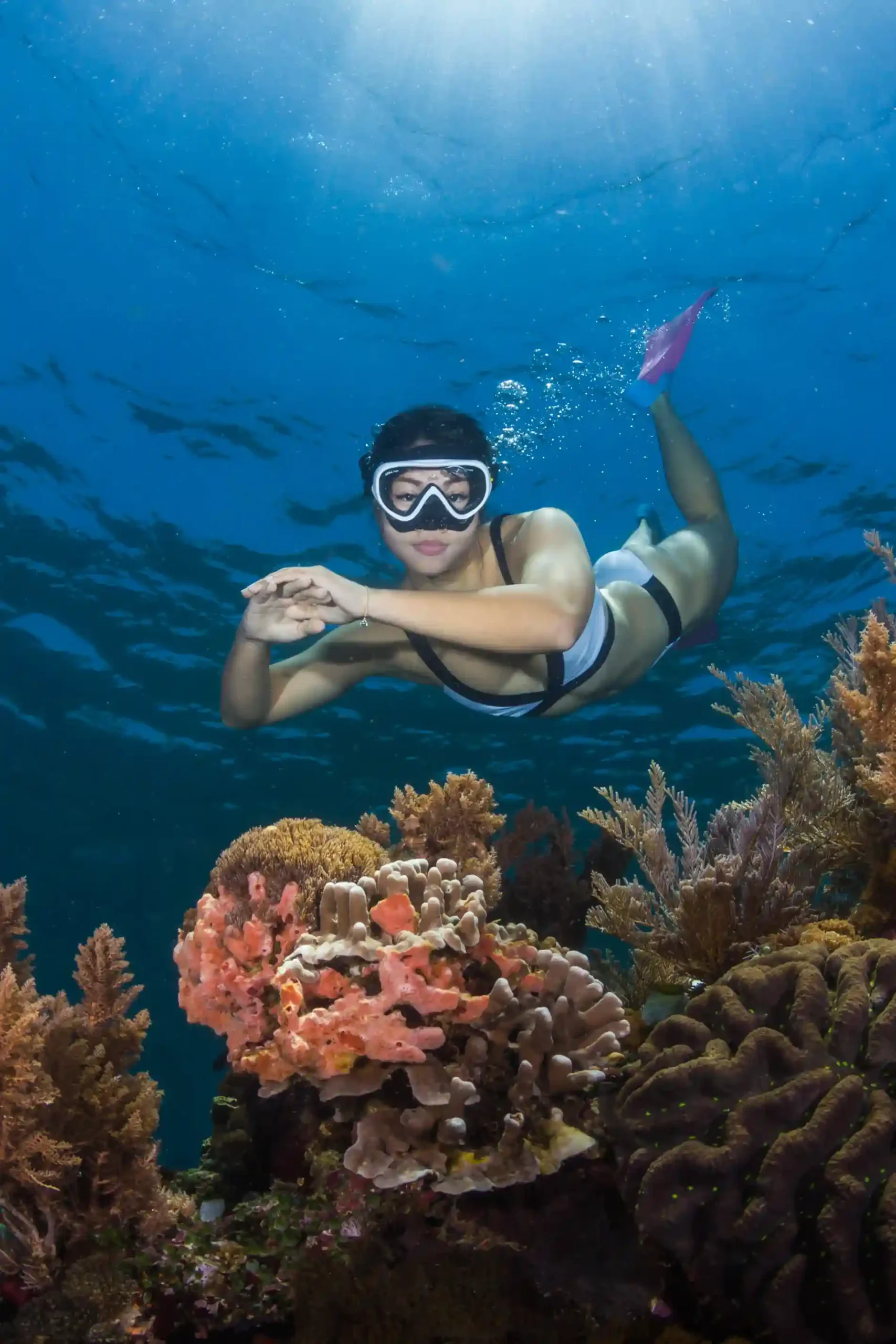
Practical questions about Kanawa’s reef and how to snorkel it
Is Kanawa Island good for snorkeling compared with the rest of Komodo?
Kanawa Island is one of the easier, calmer sites near Labuan Bajo, with a house reef that starts about 30 m from the sand and a defined wall you can follow without a boat. You lose the big-drift excitement of central Komodo and gain simple access, a predictable reef edge, and a shallow flat where beginners can still find turtles and reef fish.
Where are the main Kanawa Island Komodo snorkeling spots, and how do you reach them from the beach?
The Kanawa Island northern reef is the main draw: walk straight out from the main landing beach, then swim 5–8 minutes over the sandy flat until the bottom drops away. Secondary Kanawa Island snorkel spots sit closer to the old bungalows, where patch reefs and seagrass hold turtles and rays in shallower water, better for less-confident swimmers staying out of the wall’s deeper blue.
How would you rank the Kanawa Island snorkeling spots for colorful coral and fish?
For coral, the lip of the northern wall is the best snorkeling in Kanawa Island: hard plates, branching staghorn and soft fans all visible from the surface. For fish density, the corners where current brushes the wall usually win. The inner sandy flat is less dramatic but good for juveniles, goatfish, and occasional stingrays hunting in the ripples.
Can you do Kanawa Island shore snorkeling directly from the beach if you are not a strong swimmer?
You can. Stay over the 1–3 m shallow flat and avoid crossing to the wall if you tire easily. Kick out until coral patches begin, then simply drift parallel to shore, keeping the sand on one side and coral on the other. Watch the current; if you feel yourself pushed, turn back early rather than committing to a long swim home.
What should I bring for snorkeling at Kanawa Island, and is any equipment available on the island?
For what to bring for snorkeling at Kanawa Island, treat it as a self-sufficient day: mask, snorkel, fins that you know fit, long-sleeve rash guard, reef-safe sunscreen, hat, drinking water, and a dry bag. Kanawa Island snorkeling equipment is not reliably available or maintained; do not assume you can rent decent gear on arrival, and do not rely on power for charging batteries.
Is life jacket snorkeling common around Kanawa, and is it suitable for non-swimmers?
Kanawa Island life jacket snorkeling is routine on group trips. Most boats carry jackets and expect weaker swimmers to wear them whenever they leave the boat. Non-swimmers can float above the shallow flat with a guide towing them, but should not attempt the full wall edge unless conditions are very calm and there is a support boat watching the group.
Are there good Kanawa Island underwater photography sites for macro and wide angle?
For wide angle, work along the northern wall where schooling fusiliers, trevally and the reef drop-off all fit in a frame, especially around the anchor landmark. Macro photographers will find shrimp, nudibranchs and gobies on the sand ledges and among branching coral on top. Snorkellers should plan shallow sessions to maximise light and minimise colour loss.
Can you rent underwater cameras or GoPro equipment on Kanawa Island?
At the time of writing, you should not plan on renting a camera on Kanawa itself. Some Labuan Bajo operators rent GoPros or housings as part of wider Komodo snorkeling activities, but availability changes. If your camera matters to you, bring your own rig, charged batteries, and enough storage for a full day without downloads.
How does Kanawa fit into broader Komodo boat trips and snorkeling itineraries?
Many Labuan Bajo boats stop at Kanawa either first or last on multi-stop days because it is just outside the park boundary and offers an easy “warm-up” reef. It can also be a standalone half-day, especially for families. For boats that combine Kanawa with park sites, check the itinerary and fees through a licensed operator offering Komodo boat trips.
Is there really a need for marine biologists and conservation staff on Kanawa Island?
Yes. The reef is healthy by local standards but under pressure from visitor numbers, anchors in the wider area, and warming events. There is no permanent public research station on Kanawa; visiting marine biologists usually work through universities or NGOs based in Labuan Bajo. Kanawa Island need for marine biologists and conservation staff is ongoing, but roles are project-based, not casual volunteer spots you can assume will exist on arrival.
To turn this into a trip, you will need a boat, a clear plan, and current information on Kanawa’s facilities. For day trips and combined itineraries, contact Komodo Luxury on WhatsApp at +62 811-3823-875 or email sales@komodoluxury.com. Their Komodo speedboat charters and Kanawa Island destination overview outline practical options from Labuan Bajo.