
Kanawa Island Snorkeling for Beginners: 2027 Guide
Yes — beginners can snorkel at Kanawa Island: calm house-reef zones, gear provided, guide support and confidence tips for a first Komodo snorkel in 2027.
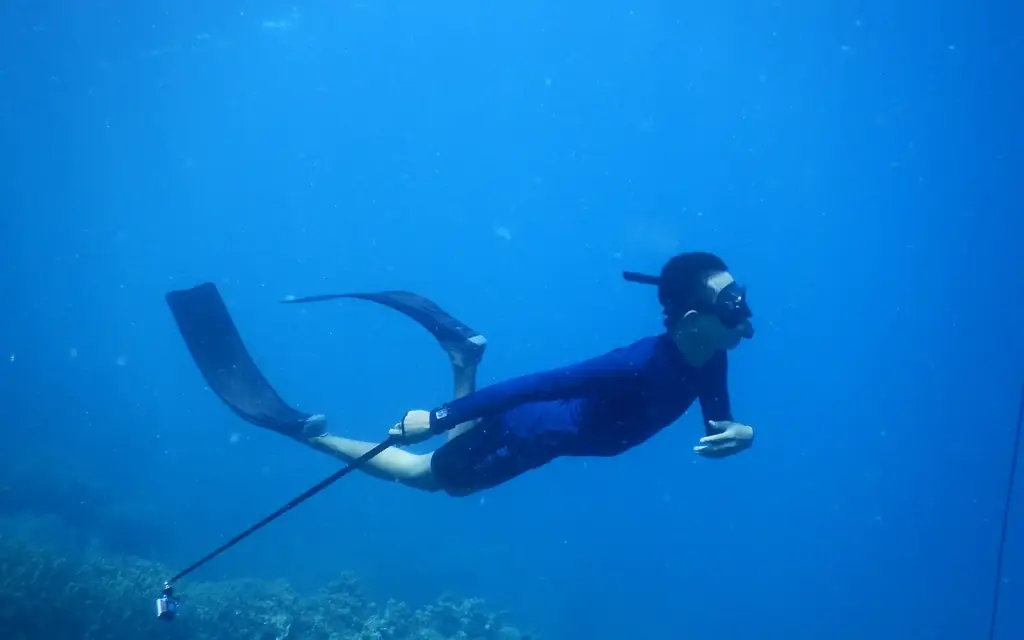 Photo: Sabda Priyanto / Wikimedia Commons (CC BY 2.0)
Updated: August 2026
Yes — beginners can snorkel at Kanawa Island, and it is arguably the most forgiving place near Labuan Bajo to put on a mask for the first time. The island sits roughly 11–15 kilometres northwest of Labuan Bajo, about 20–35 minutes by speedboat, and its house reef begins in calm, waist-deep water off a white-sand beach — you can stand up, fix your mask, and ease in at your own pace instead of jumping off a boat into deep ocean. If you searched “can beginners snorkel at Kanawa Island”, this 2027 guide is the full answer: the calm-water zones, the gear provided, the guide support to expect, and the confidence techniques that turn a nervous first-timer into a relaxed snorkeler before lunch.
Why Kanawa Island Suits First-Time Snorkelers
Most famous snorkel sites in the Komodo region — Manta Point, Batu Bolong, Siaba — are open-water drift sites where you roll off a boat and let the current carry you. Spectacular, but not where you want your very first breath through a snorkel. Kanawa is different for three reasons:
- Beach entry, not boat entry. The house reef starts a short swim from the sand. You walk in over a shallow, sandy-bottomed shelf where you can stand at any moment — that single fact removes most beginner anxiety.
- Sheltered, calm water. The bay in front of the beach is protected in normal dry-season conditions, with the calm turquoise water the island is known for: no surf zone to fight through, no meaningful current inside the bay.
- Marine life within metres of shore. Coral and reef fish begin almost immediately — no long swims, no duck-diving. For a first session, everything worth seeing is in the top two metres of water.
Can Beginners Snorkel at Kanawa Island Safely?
So, can beginners snorkel at Kanawa Island safely? Yes — it is one of the few sites in the region where a complete novice, a hesitant swimmer, or a child can snorkel with confidence, provided you go with a crewed tour rather than attempting it unsupported. Here is what makes the difference:
- Standing-depth start. The inner reef flat is shallow enough to stand in. Panic in snorkeling almost always comes from feeling you cannot rest; at Kanawa, you can put your feet down (on sand — never on coral) for the entire learning phase.
- Life jackets and flotation. On an organized day trip, life jackets or snorkel vests are carried on board and you can wear one in the water. Weak swimmers should — it changes the experience from stressful to effortless.
- Guides in the water. On a well-run trip the crew brief you on the beach, point out the entry, and accompany the group at each stop. Ask your operator to confirm the in-water guide arrangement before booking; around one guide per six to eight snorkelers is a reasonable standard for a beginner group, and a private trip gives you a dedicated guide.
One practical caution from traveler reports: sea urchins are present in parts of the shallow entry area. They are easy to avoid — enter where your guide indicates, shuffle over sand rather than rock, and wear reef shoes. This is why a guided entry beats a solo one on your first visit.
Where Are the Calm-Water Zones on the House Reef?
Think of the Kanawa house reef as three concentric zones, and progress outward only as your comfort grows:
- Zone 1 — the sandy shallows. Waist-deep water over sand, directly off the beach. Test your mask seal, practise breathing with your face down, and get used to floating. Total beginners should spend their first 15–20 minutes here.
- Zone 2 — the inner reef flat. Chest-deep to a few metres, with coral heads, anemones, and dense small-fish life. Still sheltered, still close to shore. Most first-timers spend their whole session happily in this zone.
- Zone 3 — the reef edge. Where the flat slopes away into deeper blue. Visibility is often best here and larger fish pass by, but this is for confident floaters accompanied by a guide — beginners should not swim past the edge unaccompanied.
The discipline is simple: stay inside the zone that matches your confidence, and move outward with your guide, not away from them.
What Gear Is Provided — and What Should You Bring?
On an organized Kanawa Island snorkeling tour, the core equipment — mask, snorkel, and fins — is provided, with life jackets on board. You do not need to buy anything to try snorkeling here, but a few personal items improve a beginner’s day:
- Reef shoes or fin boots — for the sandy walk-in and urchin avoidance.
- Rash guard or lycra top — the most common beginner mistake is sunburn on the back while floating face-down; a shirt beats sunscreen for this.
- Reef-safe sunscreen — for face, neck, and the back of your legs.
- Anti-fog — a small bottle, or learn the rinse ritual from your guide.
- Dry bag and towel — beach entries mean wet everything.
Confidence Tips: From Nervous to Comfortable in One Session
These are the techniques guides use with first-timers, in the order that works:
- Breathe before you float. Stand in the shallows, face in the water, and simply breathe through the snorkel for a full minute. Your brain needs proof that air keeps coming.
- Float before you fin. Let the salt water hold you horizontal, arms relaxed. Add gentle fin kicks — slow, from the hips, below the surface — only once floating feels boring.
- Fix problems standing up. Mask leaking or fogged? Stand, fix it, restart. Never fight equipment while swimming.
- Agree hand signals. “OK”, “problem”, and “going back” — three signals, agreed with your guide before entering.
- Rest on a schedule. Snorkel in 15–20 minute intervals with beach breaks; cold and fatigue creep up quietly.
- Never stand on or touch coral. For your safety and the reef’s. Sand only.
Follow that sequence and the question stops being “can beginners snorkel at Kanawa Island” and becomes “why did we only book one day here?”
When Is the Best Time for a Beginner Snorkeling Trip?
The dry season — roughly April through October — brings calmer seas and strong house-reef visibility, exactly what a first-timer wants. Mornings are typically calmer than afternoons, so choose an early departure from Labuan Bajo. The crossing takes about 20–35 minutes by speedboat; slower wooden boats need 45–75 minutes, worth knowing if sea time worries you. In the wet season the island remains visitable, but wind chop can stir the shallows and reduce visibility — manageable for experienced snorkelers, less ideal for a first session.
How Much Does a Beginner-Friendly Kanawa Trip Cost?
Pricing follows three structures rather than one fixed table — treat the figures below as a starting reference, not a locked quote:
| Option | Typical price basis | Beginner suitability |
|---|---|---|
| Organized shared snorkeling tour | From USD 90 per person (Komodo Luxury, checked 25 August 2026) | Good — gear and guide included |
| All-inclusive shared day trip (multi-stop) | Written quote per person — no single published rate | Good — Kanawa usually the calm stop |
| Private boat charter | from USD 800 per boat per day for a private Komodo National Park day charter (Komodo Luxury, checked 25 August 2026) — not a Kanawa-specific round-trip transfer fare | Best — own pace, dedicated crew |
| Public/local boat | No published rate — ask the boatman directly | Not recommended for first-timers — no gear, no guide |
Pricing disclaimer: these are pricing structures and reference figures, not fixed quotes. Fuel costs, boat class, group size, and season all move the price, and Komodo National Park entrance and permit fees — where your route includes park waters — are charged separately under a schedule that changes; no 2026 fee figure should be assumed valid for your travel date. Always confirm a written, all-in quote before paying. For a current itinerary and price, see the Kanawa Island shared day trip from Labuan Bajo.
Can You Stay Overnight on Kanawa Island?
Plan Kanawa as a day trip. As of 2026, no source confirms normal resort operation on the island: the former bungalow accommodation has deteriorated, and although booking platforms still carry legacy listings, traveler reports describe facilities as run-down or partly deserted. Treat any “Kanawa resort” listing with caution and verify its status with an operator on the ground before paying. This changes nothing for snorkelers — the reef is the reason to come, day visits are straightforward, and Labuan Bajo is a far better overnight base.
Ready for Your First Snorkel? Talk to a Real Operator
Kanawa is where first-time snorkellers are usually sent — and where most fall in love with the water. Komodo Luxury has operated boats out of Labuan Bajo since 2015, and they will match you to the right format: a sociable shared tour, or a private charter where the crew works entirely at your pace. Part of Juara Holding Group, founded 2015.
Tell Komodo Luxury your dates, group, and swimming comfort level, and they will recommend the right trip honestly — including telling you if conditions on your date are not right for a first-timer. Message Komodo Luxury on WhatsApp at +62 811-3823-875 or email sales@komodoluxury.com for a same-day itinerary and quote.
Practical Questions First-Time Snorkelers Ask About Kanawa
What is snorkeling like at Kanawa Island for beginners in real terms?
For a first-timer, Kanawa feels controlled rather than extreme. You walk in from the main beach, start in waist-deep water, and can literally stand up between breaths. Fish appear almost immediately once you float face-down and kick gently toward the house reef about 30 metres out. You stay close to shore, with the boat and beach always in sight, which keeps nerves in check.
Is Kanawa Island good for beginners who want to snorkel, including families with children?
Yes, Kanawa Island is suitable for families with children and beginners snorkeling, as long as you stick to the inner reef and follow your guide. Parents can supervise kids in thigh- to waist-deep water where they can still stand. Life jackets are normally available on the boat, so weaker swimmers can float comfortably while still seeing coral and fish just below the surface.
How deep is the water for snorkeling, and where does it drop away?
Close to the beach, the sandy entry is roughly knee- to waist-deep. The inner reef flat where most beginners snorkel is about one to three metres deep, so you can still sense the bottom and see everything clearly. Kanawa Island deep water snorkeling starts along the reef edge, where the wall drops from about 5 metres into much deeper blue – an area better for confident swimmers.
Are life jackets provided on boats to Kanawa Island, or do I need to bring my own?
On organized tours from Labuan Bajo, are life jackets provided on boats to Kanawa Island? In practice, yes: reputable operators keep life jackets onboard for every passenger, and you can usually wear one in the water as well. Double-check by message before you pay a deposit, especially if anyone in your group is not a confident swimmer or you’re bringing children.
Do you need fins for snorkeling at Kanawa Island or is a mask enough?
In the very shallow, calm-water zones, a mask and snorkel are technically enough — you can stand or gently float without swimming far. That said, fins make it easier to glide over the reef without using your hands, and they help if a light current picks up. If you are nervous or not very fit, fins are strongly recommended for comfort and safety.
Can you rent snorkeling gear on Kanawa Island or should you bring your own set?
Most day trips include basic gear, but quality varies from boat to boat. If you are picky about fit or planning more than one snorkel, bring your own mask and snorkel from Labuan Bajo; fins are bulkier but still worth bringing if you have space. If gear rental matters to you, confirm exactly what’s provided when you request a written quote from your operator.
Kanawa Island snorkeling tips for beginners who wear glasses: what are the options?
Kanawa Island snorkeling for people who wear glasses has three workable options. The simplest: wear soft contact lenses under a standard mask. Second: bring a cheap low-prescription mask from home if you already own one. Third: some Labuan Bajo shops sell basic corrective masks, but stock is inconsistent. Avoid squeezing your glasses into a mask — they usually leak and are uncomfortable.
What are Kanawa Island waves in January like — is it safe for beginners then?
January sits in the wet and windy season, so conditions are less predictable. On a good day the bay stays sheltered with only small chop; on a bad day, wind and surface waves make it unpleasant for first-timers. If you visit in January, build flexibility into your plans and let your captain decide on the morning whether Kanawa is suitable that day.
Is the water at Kanawa Island calm enough for stand-up paddleboarding or kayaking?
In normal dry-season mornings, the water in front of the main beach is usually calm enough for casual stand-up paddleboarding or kayaking, especially on the inner sandy shelf. Wind tends to rise after lunch, making balancing trickier. Boards and kayaks are not guaranteed on the island, so if this matters, look for a Labuan Bajo boat that carries them as part of its day-trip setup.
How does Kanawa compare to other Komodo spots for sheltered beginner snorkeling?
Kanawa Island sheltered snorkeling is among the easiest in the area because you start from the beach and can stay entirely in shallow water. Classic Komodo National Park sites involve boat entries and stronger currents, which suit confident swimmers better. If you want to combine Kanawa with one or two other gentle sites, ask a licensed operator to design a mixed-day itinerary using their existing Komodo boat trips.
To turn this into a real day out, contact a Labuan Bajo operator with Kanawa experience, share your swimming level, and ask for a written outline of stops and support. Komodo Luxury replies quickly via WhatsApp at +62 811-3823-875 or by email at sales@komodoluxury.com, and their detailed Kanawa Island overview and broader Komodo snorkeling guide help you compare options before you commit.
Snorkelling at Kanawa — more from the Journal
Keep reading
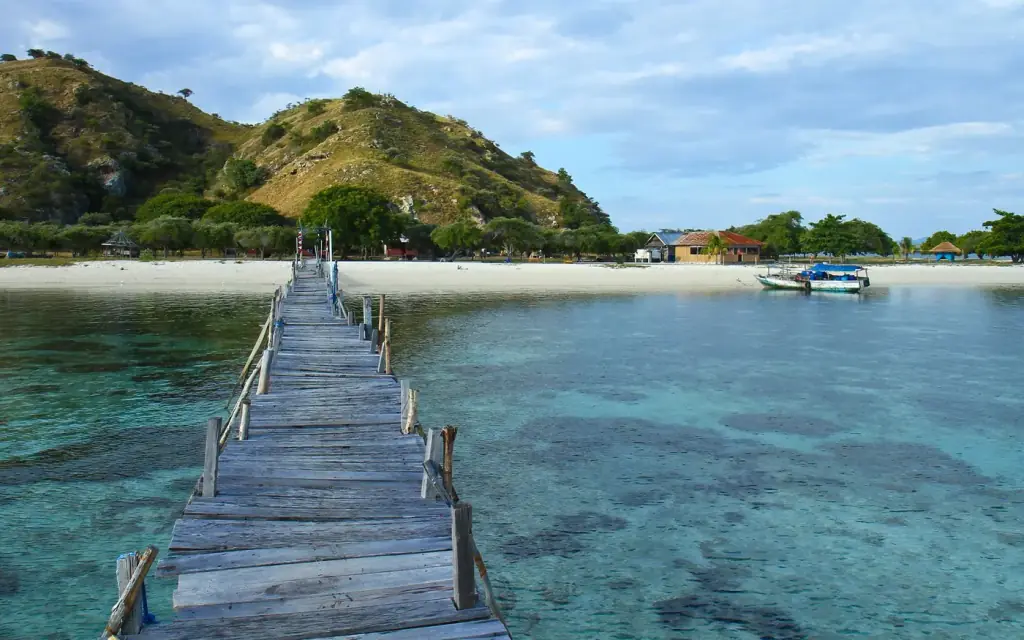
How Many Hours Do You Need on Kanawa Island?
Updated: August 2026 Most visitors need a minimum of 3 hours on Kanawa Island to snorkel the house reef properly and relax…
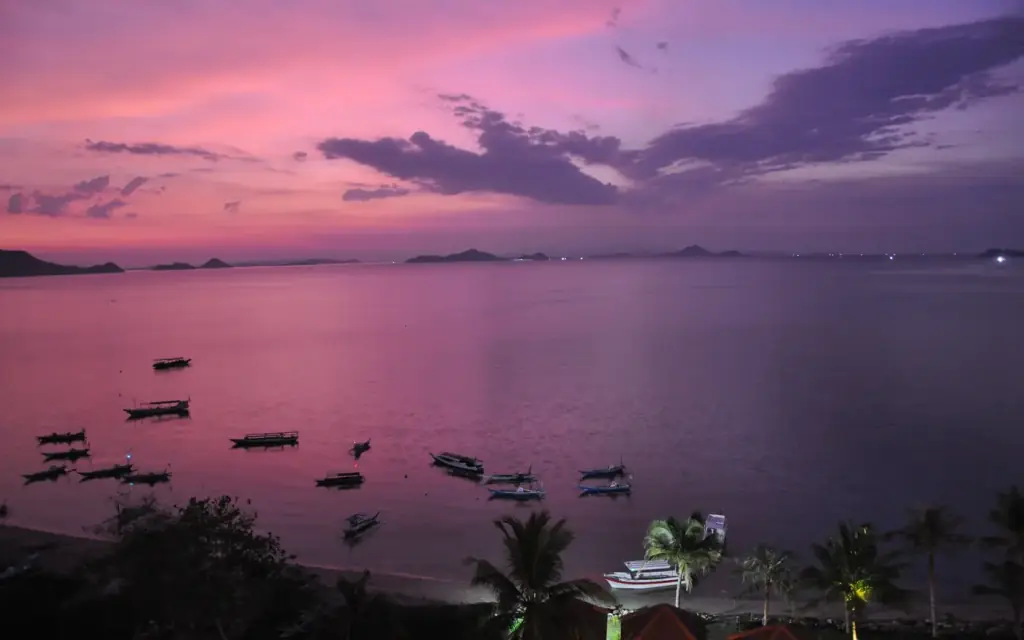
Sunrise or Sunset at Kanawa Island? Photographer Call
Updated: August 2026 Sunset wins for most photographers at Kanawa Island: the west-facing beach puts the sun going down directly over open…
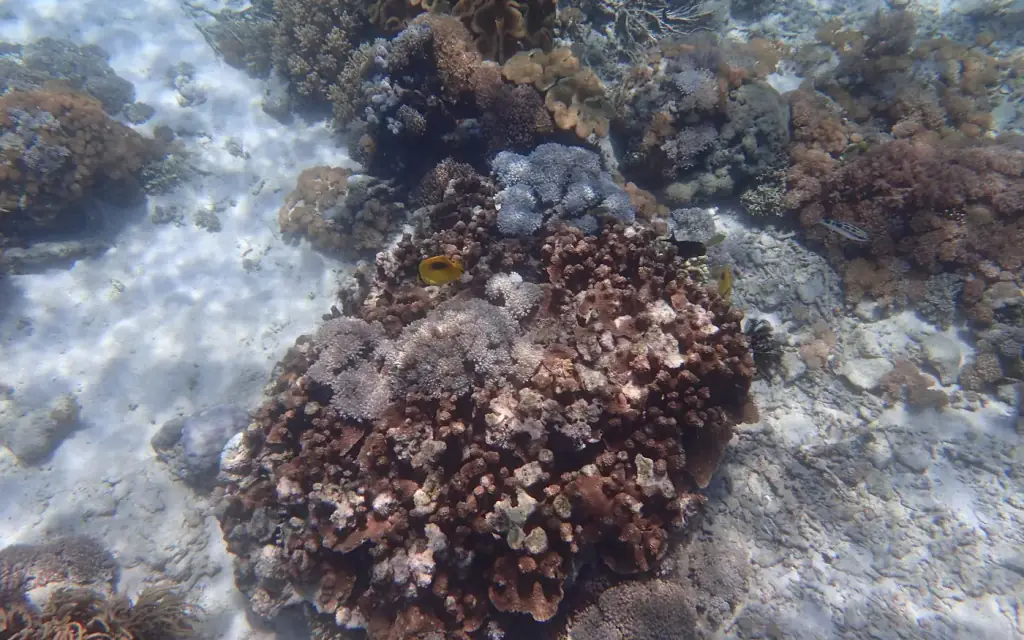
Kanawa Island Marine Life: Species You Actually See
Updated: August 2026 Kanawa Island’s house reef delivers classic Coral Triangle life within a short swim of the beach: reef-fish carpets of…
Planning a day around Kanawa?
Komodo Luxury sits in Labuan Bajo and checks conditions the evening before and the morning of every departure. Send your dates and you get a written quote — fares, inclusions, and park fees stated separately.