
Diving vs Snorkeling at Kanawa Island: Honest Call
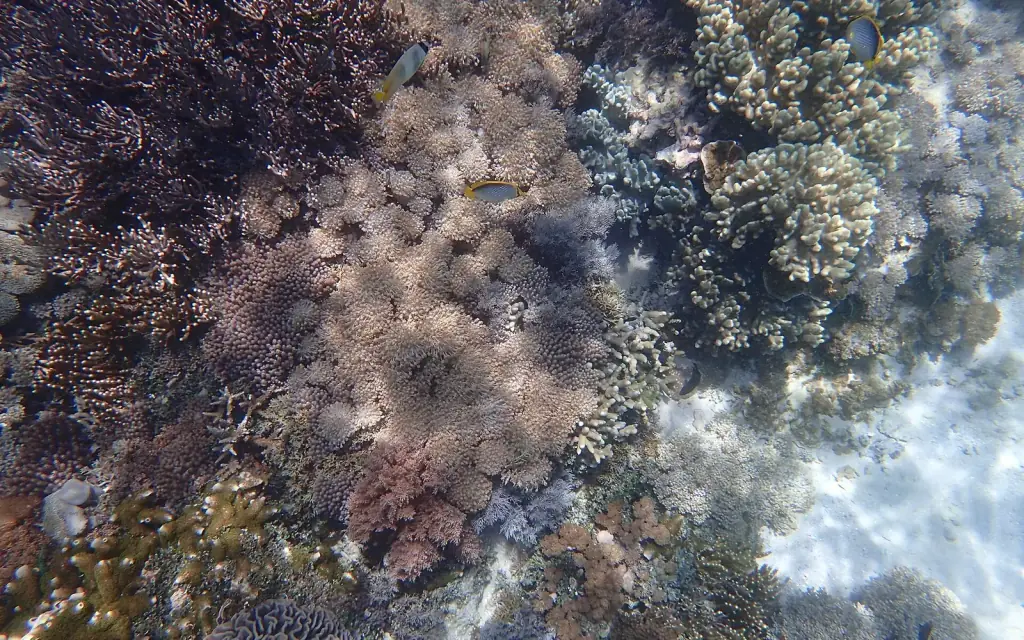 Photo: Hotel Kaesong / Wikimedia Commons (CC BY-SA 2.0)
Updated: August 2026
Kanawa Island is genuinely one of the best snorkeling sites in the Komodo region — the reef wall starts within about 30 meters of the beach and is accessible to non-divers — but it is not a serious scuba diving destination. If diving is your priority, the honest recommendation is to snorkel at Kanawa and dive at Batu Bolong or Manta Point instead, both a short boat hop away. This page gives the direct comparison so you can plan your day around what each site actually does best, rather than guessing.
For everything on Kanawa’s own reef in more depth, see the Kanawa Island snorkeling guide. If you are deciding whether you even need dive certification for this trip, that question is answered in the sections below.
Is Kanawa Island Better for Diving or Snorkeling?
Snorkeling, without much competition. Kanawa’s reef structure — a shallow sandy shelf (1–3 meters) leading to a reef edge that drops from around 5 meters to around 18 meters — is unusual in that the most interesting marine activity (turtles, juvenile blacktip reef sharks, dense reef fish) sits within the top few meters, exactly where a snorkeler’s face is. A scuba diver at Kanawa can certainly explore the wall to greater depth, but does not see meaningfully more marine life than a snorkeler does at this specific site — the reason most operators do not sell Kanawa as a standalone dive destination.
Why Isn’t Kanawa a Serious Dive Site?
Three practical reasons, not marketing spin:
- The best content is shallow. Turtles graze on the reef flat, juvenile sharks hold in 1–3 meters, and the coral variety on the upper wall is as rich as anywhere deeper — a tank and weight belt add depth access without adding much you could not already see snorkeling.
- No major pinnacle or drift feature. Unlike Batu Bolong’s dramatic pinnacle or Manta Point’s cleaning-station drift dives, Kanawa’s wall is a steady, attractive slope rather than a signature dive profile that draws certified divers specifically.
- Operators route serious dive days elsewhere. Dive-focused boats out of Labuan Bajo build their day around Batu Bolong, Manta Point, Siaba, or Castle Rock; Kanawa appears on dive-boat itineraries mainly as a surface-interval or beginner check-out stop, not the headline site.
How Does Kanawa Compare to Batu Bolong?
Batu Bolong is the clearest contrast case. Its pinnacle drops from the surface past 30 meters, with strong currents that create the fish-life density experienced divers seek — and those same currents are exactly why Komodo park authorities restrict or ban snorkeling at Batu Bolong following past incidents. The two sites essentially divide the audience by design:
| Factor | Kanawa Island | Batu Bolong |
|---|---|---|
| Best suited for | Snorkelers, beginner divers, families | Certified, experienced divers |
| Entry point | Beach entry, no boat needed | Boat-only, live-drop entry |
| Current | Minimal inside the sheltered bay | Strong, often ripping current |
| Depth of main interest | 1–3 m shallow flat, 2–8 m reef crest, 5–18 m drop-off | Surface to 30+ meters |
| Snorkeling allowed | Yes, primary activity | Restricted/unsafe per park guidance |
If your group has a mix of divers and non-divers, splitting the day — snorkeling at Kanawa, diving at Batu Bolong on a separate rotation — is a more realistic plan than trying to make one site serve both groups equally.
How Does Kanawa Compare to Manta Point?
Manta Point sits closer to a middle ground. At Manta Point, visibility typically averages 15–20 meters, with manageable current on most days at 8–15 meters depth — deeper and more current-affected than Kanawa’s sheltered bay, but less extreme than Batu Bolong. Manta rays themselves are seasonal (roughly December–March) at both Manta Point and, less predictably, as pass-through visitors at Kanawa. The practical difference:
- Divers at Manta Point can position at a cleaning station and wait for sustained manta encounters at depth.
- Snorkelers at Manta Point stay at the surface and rely on mantas passing through the upper water column — excellent when it happens, less reliable than Kanawa’s shallow-reef guarantees of turtles and reef fish on almost any visit.
For a beginner or non-diving group, Kanawa’s shallow reef offers more consistent marine-life encounters per hour in the water than Manta Point’s surface-only snorkeling, even though Manta Point wins outright when a manta actually shows up.
Do You Need Dive Certification to Enjoy Kanawa?
No. Kanawa’s entire marine-life draw — turtles, juvenile sharks, dense reef fish, coral variety — is visible from the surface with a mask, snorkel, and fins, no certification, tank, or dive briefing required. This is precisely why Kanawa functions as the beginner-friendly stop on most Komodo itineraries: a first-time snorkeler and a certified diver can both have a genuinely good experience at Kanawa without either needing special equipment beyond snorkel gear.
Should You Book a Dive Day or a Snorkel Day for Kanawa?
A short decision guide based on what matters most to your group:
- Choose a snorkel-focused day if your group includes beginners, children, or non-divers, or if Kanawa is your main or only stop — a private Kanawa Island snorkeling tour on a speedboat charter is built exactly for this.
- Choose a dive-focused day if your group is certified and specifically wants Batu Bolong, Manta Point, or Castle Rock — route Kanawa as a lunch or surface-interval stop rather than the day’s purpose.
- Split the day if your group is mixed: snorkelers spend the morning at Kanawa while divers do a two-tank dive nearby, regrouping for lunch on board. A VIP charter with a private vessel makes this kind of split itinerary far easier to coordinate than a shared boat.
What Gear and Logistics Differ Between the Two?
Beyond the obvious tank-and-regulator difference, the practical planning changes quite a bit depending on which activity your day is built around:
- Snorkeling at Kanawa: mask, snorkel, and fins provided on most organized trips; beach entry means no boat positioning or live-drop technique needed; reef-safe sunscreen is expected by every operator here, even though it is not a codified park regulation.
- Diving at Batu Bolong or Manta Point: requires certification card, dive insurance in most cases, and a dive-specific boat with tank refills and a dive guide; live-drop entries and current management are standard operating procedure at both sites, which is part of why they are not appropriate for uncertified snorkelers.
- Timing: a snorkel-only Kanawa day is flexible on timing since there is no current window to catch; dive days at Manta Point and Batu Bolong are more current-dependent, and dive operators typically schedule around slack-tide windows for safety.
This is also why combining both activities in one day works logistically only with a private boat: a shared dive boat runs on the dive schedule, while a private charter can build snorkeling time at Kanawa around whatever window suits divers in your group.
Best Time of Year for Each Activity
Season affects diving and snorkeling slightly differently at these sites:
- April–October (dry season): best all-round window for both — calmer seas, best visibility (20–25 meters at Kanawa, similar or better at Batu Bolong and Manta Point on good days), comfortable water temperature.
- December–March (manta season): the trade-off window — manta ray sightings become likely at Manta Point and possible at Kanawa, but visibility drops to roughly 10–15 meters and surface conditions are choppier, which matters more for snorkeling comfort than for diving.
Frequently Asked Questions
Is there scuba diving available at Kanawa Island itself?
Some operators offer a check-out or beginner dive at Kanawa’s wall, but it is not marketed as a primary dive site — the wall’s marine life is fully visible to snorkelers, which is why serious dive itineraries route to Batu Bolong or Manta Point instead.
Can beginners dive at Kanawa if they are not certified?
A supervised introductory dive (a shallow, guided taster dive) may be offered by some operators, but this is different from independent certified diving and should be confirmed and booked directly with a dive operator, not assumed as standard on a snorkeling trip.
Why is snorkeling banned or restricted at Batu Bolong?
Batu Bolong’s strong currents and depth create genuine safety risk for unsupervised snorkelers, and Komodo park authorities have restricted snorkeling there following past incidents — the same currents that make it an exciting dive site make it unsuitable for casual snorkeling.
Which is better for underwater photography, Kanawa or Manta Point?
Kanawa generally offers more reliable subjects at shallow depth (turtles, sharks, reef fish) for both snorkel and dive photography; Manta Point offers a higher ceiling — manta encounters — but only during the December–March season and only when mantas are actually present that day.
Do I need a wetsuit for snorkeling at Kanawa?
Not usually. Water temperature runs 26–29°C in the dry season, comfortable for most snorkelers in just a rash guard; a light wetsuit top is a personal comfort choice rather than a requirement, and more relevant in cooler months (roughly June–August).
Last updated: 24 August 2026.
Book the Right Day for Your Group
Tell Komodo Luxury whether your group is snorkeling, diving, or split, and they will route your day to match — Kanawa for the reef, Batu Bolong or Manta Point for the dive. Part of Juara Holding Group, founded 2015. WhatsApp +62 811-3823-875 or email sales@komodoluxury.com.
Plan Your Kanawa Island Visit
Dive-or-Snorkel Decisions People Actually Ask at Kanawa
Is night snorkeling or night diving possible around Kanawa Island?
In theory, yes; in practice, only with a properly equipped operator. The sandy shelf and house reef make the area suitable for night exploration, but there are no reliable on-island services for torches, guides, or safety cover. If you want to add a night dive or guided night snorkel, build it into a private itinerary from Labuan Bajo and confirm that the crew is familiar with Kanawa’s reef layout in the dark.
Does Kanawa Island have strong current warnings, or is drift snorkeling an option?
Inside Kanawa’s main bay, current is usually mild and beginner-friendly. Around the reef shoulders and the outer wall you can feel stronger pulls and mild drift conditions, especially on spring tides. There are no lifeguards and no posted current warnings, so treat anything beyond the bay as an advanced option. Agree a clear pickup line with your boat, tow a surface marker, and keep weaker swimmers closer to shore.
How should I split a day between Kanawa snorkeling and “proper” Komodo diving?
A realistic pattern is a shallow, relaxed Kanawa reef session, then a deeper drift or pinnacle dive elsewhere. Many boats stop here for snorkel-only time, then continue to Batu Bolong, Siaba, or Manta Point for their main tanks. To see how operators structure mixed days, skim the regional overview in the Komodo dive-site guide and ask for Kanawa as the easy segment in your route.
Is Kanawa enough if I only want a simple snorkeling and diving guide for one day?
If you are happy with one island and one reef, Kanawa can be your entire day: an easy beach entry, shallow training area, and a reef edge dropping from around 5 meters to around 18 meters. It works well as a beginner’s introduction to both snorkeling and diving in miniature. Confident divers usually treat it as a warm-up before more technical sites; in that case, ask a Labuan Bajo operator to combine Kanawa with one or two park dives in a single outing.
Are campfires allowed on Kanawa Island beach, and what about overnight stays?
There is no clear, consistently enforced policy on whether campfires are allowed on Kanawa Island beach for overnight stays. Open fires risk damaging dry vegetation and irritating whoever is managing the bungalows at the time, so plan as if fires are not allowed and bring LED lanterns or headlamps instead. Overnighting is only possible if an operator confirms current accommodation or camping arrangements; there is no walk-up booking desk, power and water can fail, and you must bring all essentials, including cash.
Where can I get help turning this plan into a booked dive or snorkel day?
To turn the outline from this page into actual boats and guides, contact a licensed Labuan Bajo operator for a written quote and current conditions. Komodo Luxury can arrange Kanawa-focused snorkel days, mixed itineraries, or full park dive programs via WhatsApp at +62 811-3823-875 or sales@komodoluxury.com. For sample routes and boats, see their Komodo boat trips and dedicated Komodo diving activities pages.
Snorkelling at Kanawa — more from the Journal
Keep reading
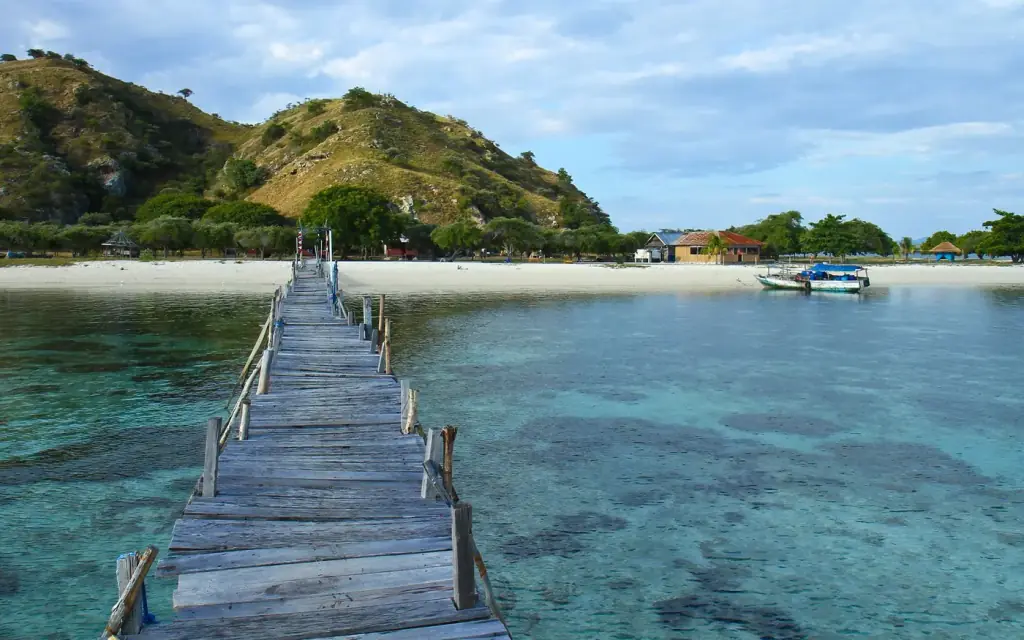
How Many Hours Do You Need on Kanawa Island?
Updated: August 2026 Most visitors need a minimum of 3 hours on Kanawa Island to snorkel the house reef properly and relax…
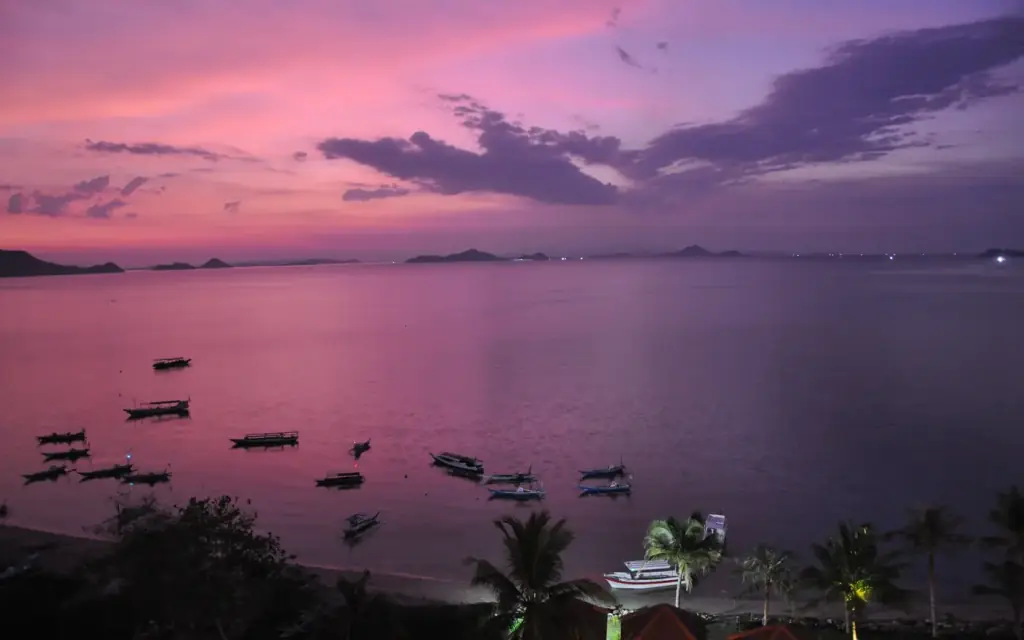
Sunrise or Sunset at Kanawa Island? Photographer Call
Updated: August 2026 Sunset wins for most photographers at Kanawa Island: the west-facing beach puts the sun going down directly over open…
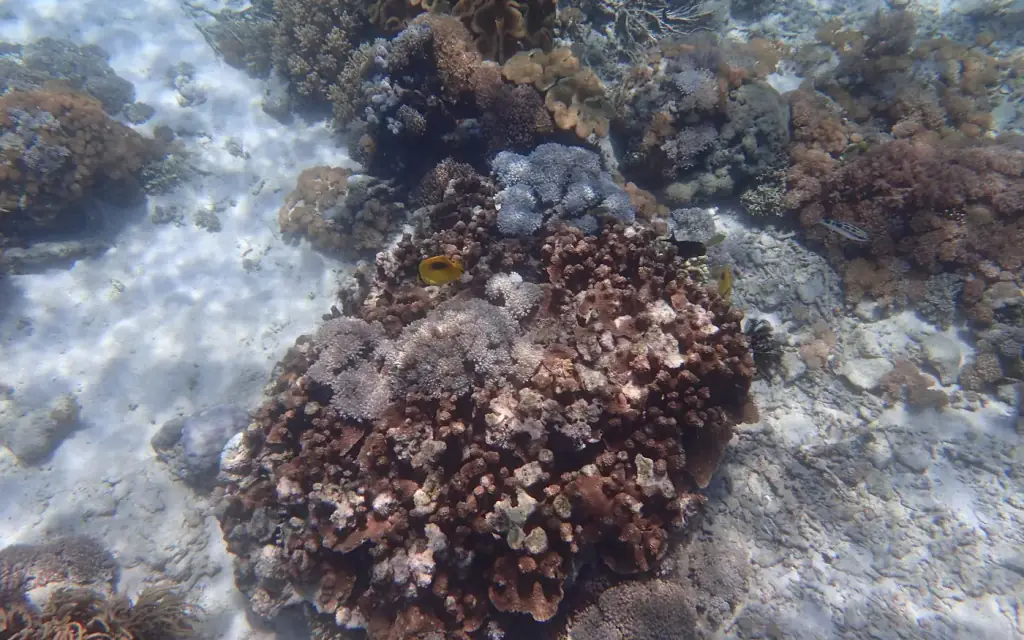
Kanawa Island Marine Life: Species You Actually See
Updated: August 2026 Kanawa Island’s house reef delivers classic Coral Triangle life within a short swim of the beach: reef-fish carpets of…
Planning a day around Kanawa?
Komodo Luxury sits in Labuan Bajo and checks conditions the evening before and the morning of every departure. Send your dates and you get a written quote — fares, inclusions, and park fees stated separately.