
Komodo diving highlights – Manta Point, Batu Bolong & more
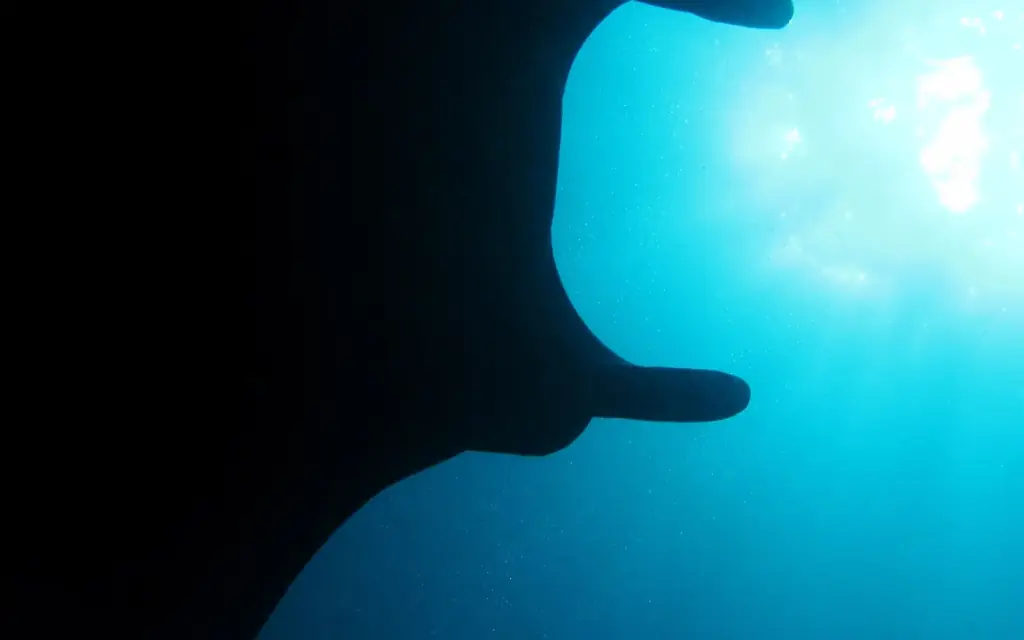 Photo: Alexander Vasenin / Wikimedia Commons (CC BY-SA 3.0)
Updated: August 2026
Komodo National Park is renowned for its remarkable underwater biodiversity, making it a prime destination for divers and snorkelers alike. Among the best dive sites in Komodo, Manta Point and Batu Bolong stand out for their unique offerings. This guide will explore these sites, diving difficulties, and creature encounters, perfect for both novice and experienced divers.
Manta Point: A Diver’s Dream
Manta Point, located near the southern tip of Komodo Island, is one of the most sought-after dive sites in the region. With dive depths ranging from 15 to 30 meters (49 to 98 feet), this site serves as a cleaning station for majestic manta rays. The best time to dive here is from March to November when water temperatures sit in the 26–29 °C (79–84 °F) band, and visibility can extend to 30 meters (98 feet).
- Wildlife Encounters: The primary attraction at Manta Point is, of course, the manta rays. Divers can observe these gentle giants as they glide gracefully through the water, often in large groups. Aside from mantas, you may spot turtles, reef sharks, and even schools of colorful fish.
- Snorkeling vs. Diving: While snorkeling at Manta Point is feasible, diving offers a more immersive experience, allowing you to closely observe manta behavior and the entire spectrum of marine life.
Batu Bolong: The Pinnacle of Biodiversity
Batu Bolong is another iconic dive site that attracts divers from around the globe. Known for its strong currents, this site is more suited for advanced divers with experience in navigating challenging conditions. The dive depth typically ranges from 10 to 40 meters (33 to 131 feet), and the currents can vary significantly, making it essential to check conditions beforehand.
The best months to dive Batu Bolong are similar to Manta Point, from March to November. Single-dive pricing varies by operator and typically includes gear rental and a guide — ask for the current rate; dives usually last about 60 minutes. The vibrant coral reefs, teeming with life, are sure to leave a lasting impression.
- Currents and Challenges: The currents at Batu Bolong can be unpredictable, making it vital for divers to have good buoyancy control. It’s advisable to dive with a reputable operator familiar with the site.
- Marine Life: This site is famous for its rich biodiversity, featuring large schools of barracuda, trevally, and an abundance of hard and soft corals.
Castle Rock vs. Crystal Rock: A Dive Site Comparison
When discussing the top dive sites in Komodo, Castle Rock and Crystal Rock often come up in comparison. Both sites offer unique experiences, but their challenges and marine life differ significantly.
Castle Rock
Castle Rock is known for its dramatic underwater topography, with steep walls and rocky outcrops providing shelter for marine species. The currents here can be intense, making it suitable for experienced divers. Dive depths reach up to 35 meters (115 feet), with visibility often exceeding 25 meters (82 feet). Expect to see gray reef sharks, giant trevally, and even the occasional whitetip reef shark.
Crystal Rock
In contrast, Crystal Rock offers a slightly less challenging dive site, though currents can still be strong. Dive depths average around 15 to 30 meters (49 to 98 feet), and visibility is typically excellent. Crystal Rock is known for its vibrant coral gardens and abundant marine life, including nudibranchs and schools of colorful fish.
Both sites are worth diving, but if you prefer the thrill of currents and larger marine species, Castle Rock is your best bet. For a more relaxed dive with stunning corals, opt for Crystal Rock.
Understanding Komodo Currents: A Guide for Advanced Divers
For experienced divers, understanding the currents in Komodo National Park is essential. The area is influenced by strong tidal flows, particularly around the moon phases, which can create challenging conditions. Generally, the currents are stronger during the new moon and full moon phases, making these times less ideal for novice divers.
Advanced divers can capitalize on these currents to explore submerged pinnacles, which attract larger marine life. Always consult with your dive guide about the conditions and plan your dives accordingly. Keep in mind that dives can range from easy drift dives to challenging, surge-prone sites, which require good buoyancy control and situational awareness.
Diving Season in Komodo National Park
Diving runs in Komodo National Park through most of the year, but the strongest months sit inside the April to October dry season, with April to July the pick for manta encounters and September to October for the flattest water. During this time, the water temperature remains comfortable, and the visibility can reach up to 40 meters (131 feet). The best months for spotting manta rays are generally April to July, coinciding with the plankton blooms that attract them.
From December to February, conditions can be less favorable due to increased rainfall and lower visibility. However, this time can still yield unique encounters, such as the chance to see hammerhead sharks at specific dive sites.
Komodo Liveaboards for Experienced Divers
For those looking to fully immerse themselves in the diving experience, liveaboard trips are an excellent option. Liveaboard itineraries typically last from 3 to 7 days and allow divers to explore multiple sites without the hassle of returning to shore every day. Liveaboard pricing varies enormously by vessel class and trip length — see our Komodo tour pricing guide for indicative ranges and request current quotes from a few operators.
Popular liveaboard operators include “The Aurora” and “The Mermaid,” both of which cater to experienced divers seeking adventure. These trips often include dives at remote sites like the infamous “The Shotgun” and “Manta Alley,” ensuring a diverse diving experience. The all-inclusive packages typically cover meals, accommodations, and dive gear rentals, making it a hassle-free way to enjoy Komodo’s underwater wonders.
Top Komodo Dive Sites Near Kanawa Island
Kanawa Island serves as an excellent base for divers looking to explore Komodo National Park. Several notable dive sites are easily accessible from this charming island.
- Shark Point: Known for its name, Shark Point features sightings of both reef and whitetip sharks. The dive depth is around 10 to 25 meters (33 to 82 feet), making it accessible for intermediate divers.
- Siaba Besar: This site includes sloping reefs and vibrant coral gardens, home to various tropical fish and turtles. The average depth is around 10 to 20 meters (33 to 66 feet).
- Siaba Kecil: A fantastic spot for macro photography, Siaba Kecil offers great visibility and an array of smaller creatures, making it perfect for snorkelers and divers alike.
Diving near Kanawa Island is generally less crowded, allowing for a more intimate experience with the marine environment. Dive-trip pricing from Kanawa varies by operator, often including equipment rental and a guided tour — request a current quote.
Conclusion
drawn by the allure of Manta Point, the biodiversity of Batu Bolong, or the thrill of liveaboard diving, Komodo National Park offers something for every diving enthusiast. Armed with knowledge about currents, conditions, and the various dive sites, you’ll be well-prepared to explore one of the world’s most extraordinary underwater landscapes. Ready to the adventure of a lifetime? Plan your trip to Komodo today!
FAQ
- What is the best time to dive in Komodo? Generally, the strongest diving months in Komodo fall inside the April to October dry season, with April to July the pick for visibility and marine life.
- How difficult is diving at Batu Bolong? Batu Bolong is recommended for advanced divers due to strong currents and depth variations. Proper buoyancy control and experience in challenging conditions are essential.
- Are liveaboard trips worth it? Yes, liveaboard trips provide access to multiple dive sites, often including remote locations that are otherwise difficult to reach. They offer a comprehensive diving experience.
Explore more from Kanawa Island
- Kanawa Island — home
- Best Time for Kanawa Island
- Kanawa Island vs Alternatives Comparison
- 7-Day Kanawa Island Itinerary
- Choosing your Komodo boat – cabins, comfort & safety explained
- Snorkeling Komodo without scuba – Kanawa, Manta Point, Pink Beach
Plan with Komodo Luxury on WhatsApp →
Plan Your Kanawa Island Visit
Diving from Kanawa: Your Questions Answered
Are there dive centers operating from Kanawa Island, and is gear storage available for multi-day stays?
Historically, a small dive operation existed, but its current status is inconsistent. We strongly advise against assuming any on-island facilities are operational. There are currently no reliable public dive gear storage or rinse areas on Kanawa. All serious Komodo diving activities are arranged via Labuan Bajo operators who bring their own equipment, tanks, and compressors on their boats. For multi-day trips, a liveaboard is the most practical way to manage gear and logistics.
What is the best time of year to visit Kanawa Island for optimal weather and underwater visibility?
The dry season, from April to October, generally offers the best conditions. You can expect calmer seas, sunnier weather, and underwater visibility that commonly runs 20-25 meters on the Kanawa house reef and can exceed that around the central Komodo sites. The shoulder months of April-June and September-November are often ideal, balancing great conditions with fewer visitors than the peak July-August period. The rainy season (December-March) can bring rougher seas and reduced visibility, though diving is still possible on clear days.
Can you recommend any beginner freediving spots around Kanawa Island and provide some depth information?
The house reef on the island’s south side is excellent for beginner freediving. Starting directly from the main beach, a shallow coral flat sits in just 1-3 meters of water, perfect for practicing equalization and technique. About 30 meters from shore, the reef wall drops off, giving easy access to the 5-18 meter band along a vibrant slope. This allows for safe, progressive depth training without needing a boat, though a buddy and proper safety protocols are always essential.
What are the difficulty levels and recommended routes for the dive sites immediately around Kanawa Island?
The primary site is the house reef, which is suitable for all levels. For an easy, relaxed dive, enter from the beach and follow the reef wall to the east. The current is usually negligible here, with depths from 5 to 18 meters. More experienced divers can explore the deeper sections of the wall further west, where the wall continues below the snorkelling zone, reported by Labuan Bajo dive operators to around 30 metres. You can see how this compares to other locations in the official Komodo dive-site guide.
What are the current reopening plans for Kanawa Island in 2026 for overnight tourism and diving?
As of August 2026, there are no official, publicly confirmed reopening plans for the resort accommodation on Kanawa Island. The bungalows have been operating intermittently with reports of inconsistent services. The island remains fully accessible for day trips, and diving in the wider Komodo National Park is operating normally. For overnight stays focused on diving, we recommend considering one of the many Komodo liveaboard cruises that frequent the area.
How do Komodo National Park fees apply to a day trip that includes both Kanawa Island and Manta Point?
Kanawa Island sits just outside the Komodo National Park boundary, so a trip solely to Kanawa does not incur the statutory park entrance fee. However, the moment your itinerary includes a site inside the park, like Manta Point or Batu Bolong, the daily park fee applies to every person on board. As of late 2024, this is IDR 250,000 for foreign visitors, plus smaller local levies. Always confirm the full fee structure with your operator when booking.
To arrange a private charter that includes these world-class dive sites, or to get a specific quote for your group’s needs, contact the Komodo Luxury team directly. Send your planned dates via WhatsApp to +62 811-3823-875 or email sales@komodoluxury.com. You can browse their boat charter fleet or read more about the Manta Point destination page to start planning.
Diving around Kanawa — more from the Journal
Keep reading
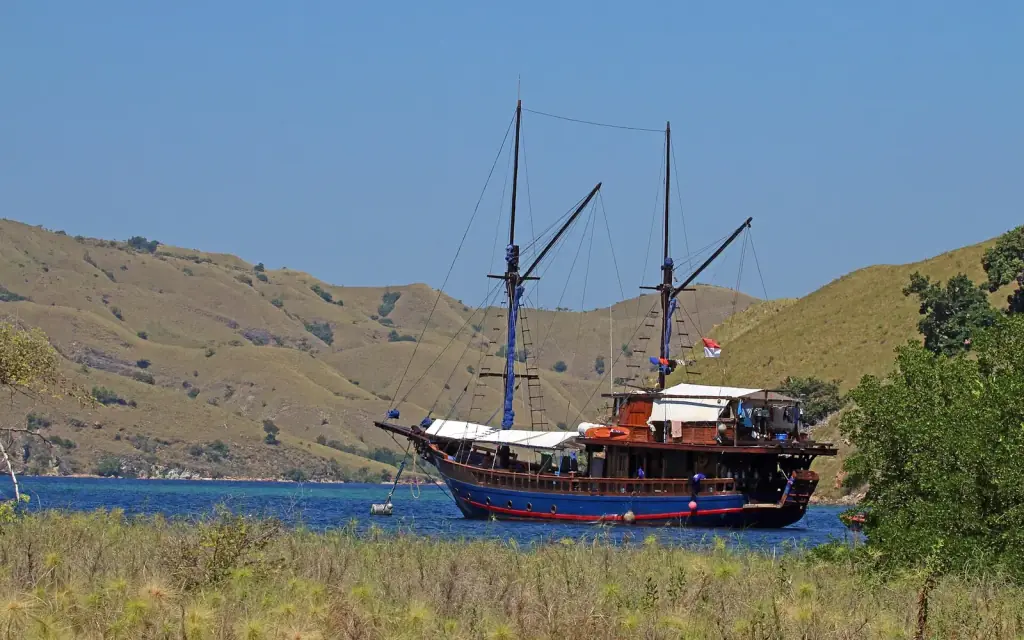
Avoiding Crowds on a Kanawa Day Charter from Labuan Bajo
Day-trip timing tactics: beat the shared fleet out of Labuan Bajo, run the circuit in reverse, and finish at a quiet Kanawa.
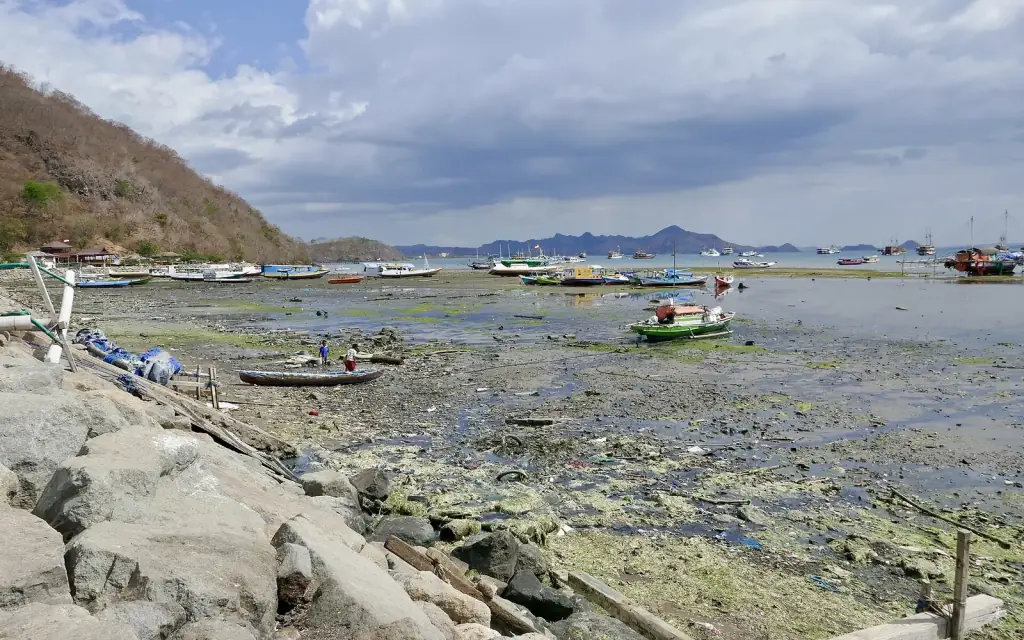
Is Kanawa Island Open in 2027? Resort Status Explained
Is Kanawa Island open in 2027? Yes for day trips — the resort is not operating as of 2026. Real status, access…
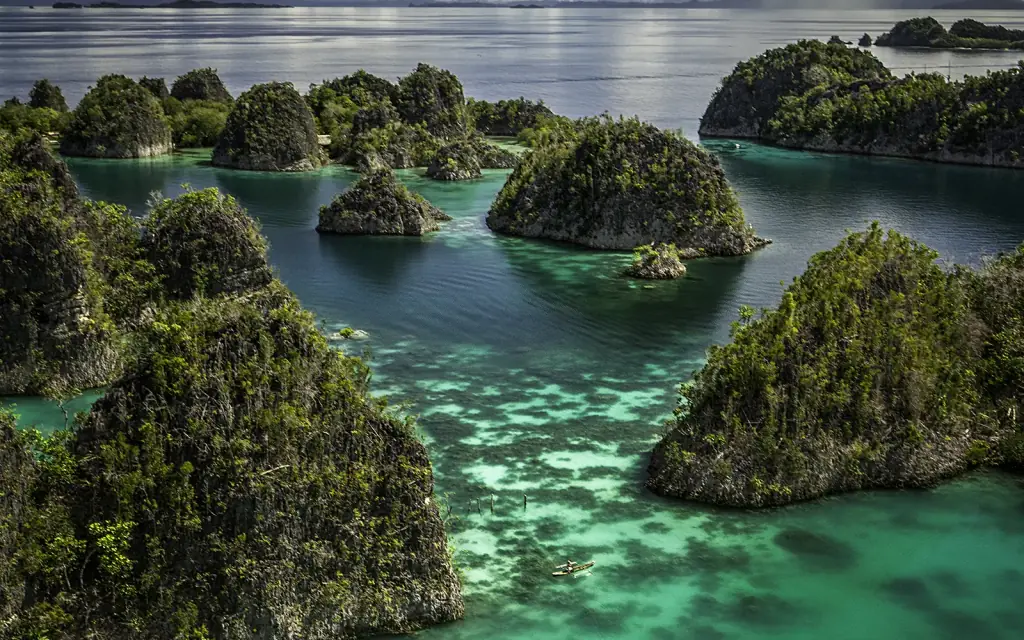
Kanawa Island to Raja Ampat: Your 2027 Luxury Marine Travel Checklist
Updated: August 2026 Planning a luxury marine expedition to Raja Ampat from Kanawa Island requires meticulous foresight, especially for 2027. Securing your…
Planning a day around Kanawa?
Komodo Luxury sits in Labuan Bajo and checks conditions the evening before and the morning of every departure. Send your dates and you get a written quote — fares, inclusions, and park fees stated separately.