
Snorkeling Komodo without scuba – Kanawa, Manta Point, Pink Beach
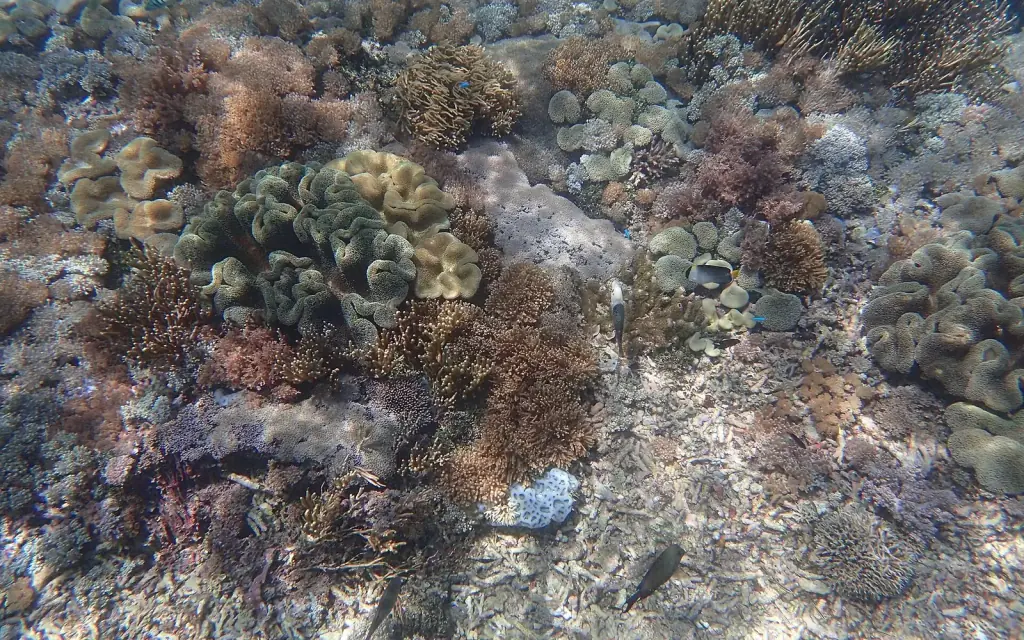 Photo: Hotel Kaesong / Wikimedia Commons (CC BY-SA 2.0)
Updated: August 2026
Snorkelling in Komodo National Park reaches most of what divers see, because the reef here starts in shallow water rather than at depth. With vibrant coral reefs, diverse marine life, and beautiful beaches, locations like Kanawa Island, Manta Point, and Pink Beach are perfect for non-divers seeking adventure. Here’s a these snorkeling paradises.
Kanawa Island: A Snorkeler’s Dream
Kanawa Island is often touted as one of the best snorkeling spots in Komodo for non-divers. Just a short boat ride from Labuan Bajo, Kanawa is a small island surrounded by stunning reefs teeming with life. Kanawa’s house reef has a shallow 1-3 meter flat near shore that suits beginners and families, with the wall further out dropping from about 5 meters to about 18 meters. The shallow waters are perfect for those snorkeling with kids, as the gentle waves and calm conditions provide a safe environment.
Visibility around Kanawa Island is generally good, commonly running 20–25 metres (about 65–80 feet) through the dry season from April to October. Expect to see brilliant corals, clownfish, and even the occasional sea turtle. Equipment rental is generally available on the island or through your boat operator — ask for the current day rate. For a more guided experience, local tour pricing for a half-day trip (including gear and guidance) varies by operator — request a current quote.
Manta Point: where the mantas gather
Located on the southern side of Komodo Island, Manta Point is famous for its large population of manta rays. Though often associated with diving, this site also offers excellent snorkeling opportunities for beginners. The snorkeling conditions here are safe, but it is advisable to use a life jacket while snorkeling, especially for those who aren’t confident swimmers.
At Manta Point, the depths vary from 2 to 10 meters (6.5 to 33 feet), providing ample opportunity to see these majestic creatures as they glide effortlessly through the water. Mantas are recorded at the cleaning stations year round. December to February brings the largest feeding aggregations but the roughest water; the April to October dry season trades those numbers for calmer crossings and noticeably clearer water, with July and August the busiest months.
Guided snorkeling tour pricing to Manta Point varies by operator, typically including snacks and refreshments — request a current quote. A half-day trip gives you a chance to encounter not just manta rays but also an array of colorful fish and vibrant coral formations. Keep the camera ready. The mantas are not guaranteed on any given crossing, but when a squadron passes underneath you it happens without warning.
Pink Beach: A Unique Snorkeling Experience
Pink Beach, known for its stunning pink sand, is not just a visual marvel but also one of the best spots for snorkeling in Komodo. The unique coloration of the sand comes from crushed red coral, and the waters around it are invitingly clear. The snorkeling conditions here are generally calm, making it suitable for families and first-timers.
The water depth near the shore typically ranges from 1 to 5 meters (3 to 16 feet), providing a safe environment for those new to snorkeling. The vibrant underwater life includes colorful reef fish, sea fans, and staghorn corals. The best time to visit Pink Beach for snorkeling is during the dry season, particularly from May to September, when water visibility reaches up to 25 meters (82 feet).
Local tours often package Pink Beach visits with other attractions, such as Komodo Island or Padar Island; full-day tour pricing (generally including snorkeling gear, meals, and transport to and from Labuan Bajo) varies by operator — see our Komodo tour pricing guide for indicative ranges.
Snorkeling vs. Diving: Which is Better?
This is a common question for first-time visitors to Komodo. While both activities offer unique experiences, snorkeling is often more accessible and less time-consuming compared to diving, making it a great choice for families and those who are nervous about deep water.
Snorkeling enables you to enjoy the beauty of the coral reefs without the need for extensive training or equipment, and you can easily take breaks on the surface to catch your breath and appreciate the stunning surroundings. On the other hand, diving offers a closer look at marine life and the chance to explore deeper reefs. If you’re short on time and want to enjoy the vibrant beauty of Komodo, snorkeling is the way to go.
Snorkeling Conditions and Safety Tips
When planning a snorkeling trip in Komodo, it’s important to consider the conditions and safety tips. The best snorkeling visibility season is during the dry months, particularly from April to October. During this time, water temperatures sit in the comfortable 26–29 °C (79–84 °F) band, making it pleasant for extended snorkeling sessions.
For safety, it’s recommended to wear a life jacket, especially if you’re not a confident swimmer. Many snorkeling tours in Komodo provide life jackets as part of the package, ensuring that you can enjoy your experience without worry. Additionally, always snorkel with a buddy or in a guided group to ensure someone is watching out for you.
Family-Friendly Snorkeling in Komodo National Park
Komodo National Park is an excellent destination for family-friendly snorkeling. Many operators offer tailored tours that cater specifically to families, ensuring a safe and enjoyable experience for children. Locations like Kanawa Island and Pink Beach are great starting points, as they provide calm waters and abundant marine life in shallow depths, perfect for young snorkelers.
When planning a trip with kids, consider half-day tours that allow for both snorkeling and beach time. Pricing for this kind of half-day family experience varies by operator and group size — request a current quote. Be sure to bring along sun protection, snacks, and plenty of water, as spending time in the sun can be exhausting.
Frequently Asked Questions
What is the best time to go snorkeling in Komodo?
The best time for snorkeling in Komodo is during the dry season, from April to October, when visibility is at its peak and water conditions are calmer.
How deep can I expect to snorkel?
Depths vary by spot: Kanawa’s house reef has a shallow 1-3 meter flat near shore (with the wall dropping from about 5 to about 18 meters further out), while Manta Point and Pink Beach have their own depth profiles — check with your guide on site. Shallow entry points at each are suitable for beginners and families.
Are there snorkeling tours for families?
Yes, many operators offer family-friendly snorkeling tours, especially in locations like Kanawa Island and Pink Beach, which are safe and enjoyable for children.
, snorkeling in Komodo National Park without diving is a fantastic way to experience the region’s rich marine life and stunning underwater landscapes. Whether you choose to explore the house reef at Kanawa Island, swim with manta rays at Manta Point, or enjoy the unique ambiance of Pink Beach, each location offers something special. Don’t miss out on these incredible underwater adventures—grab your snorkeling gear and the beauty of Komodo!
Explore more from Kanawa Island
- Kanawa Island — home
- Kanawa Island vs Alternatives Comparison
- 7-Day Kanawa Island Itinerary
- Kanawa Island Packing Guide
- Komodo diving highlights – Manta Point, Batu Bolong & more
- Padar, Rinca, Komodo dragons & Kanawa in one trip
Plan with Komodo Luxury on WhatsApp →
Plan Your Kanawa Island Visit
Practical Snorkeling Questions for Kanawa, Manta Point, and Pink Beach
Is Kanawa Island suitable for snorkeling directly from the shore without a boat?
Yes. Kanawa’s main beach faces the house reef, so most people simply walk in with mask and fins. The sandy shallows are knee‑ to waist‑deep, then you reach coral after about 30 metres. Stay over sand when you stand, avoid touching coral, and watch the tide: at very low water the flat can be too shallow for comfortable finning.
Which side of the island is best, and how does it compare with Pink Beach or Manta Point?
The northern and northeastern sides, around the main beach’s boat landing area, are the most accessible, with the broadest 1–3 metre shallow flat and easy entry. Compared with Pink Beach, Kanawa usually feels quieter and more relaxed. Manta Point is very different: fewer corals near the surface but big animals and stronger currents, usually visited with a guide by boat.
Can you scuba dive at Kanawa Island or is it mainly a snorkeling destination?
The island is best known for snorkeling, but the reef wall drops from about 5 to about 18 metres and continues below the snorkelling zone to around 30 metres, so diving is possible with a licensed operator and proper boat support. There is no guarantee of an on-island dive centre operating. Most visitors base in Labuan Bajo and include Kanawa as part of wider Komodo dive-site itineraries or mixed snorkel/dive trips.
Is it safe to leave your belongings on the beach while snorkeling at Kanawa Island?
There are no lockers on the public beach. On quiet days your bag may sit untouched, but you should not assume it is secure. Bring only what you need, keep passports and valuables in your accommodation in Labuan Bajo, and use a small dry bag for phone and cash if you want them nearby in the water.
Do I need a boat or guide to snorkel Kanawa, Manta Point, and Pink Beach in one day?
Yes, you will need a boat; these sites are spread across different parts of the strait. Most travellers join a shared speedboat or private charter from Labuan Bajo that includes all three stops plus park entry formalities. For route planning and permits, look at sample itineraries on multi-stop Komodo boat trips and then request a written quote.
How should I plan if I want to snorkel Kanawa one day, then Manta Point and Pink Beach inside the park?
A common pattern is a quiet Kanawa-only day (no park fees) and a separate park day for Manta Point and Pink Beach, when Komodo National Park entrance, guide, and boat costs all apply. Because of the daily visitor cap, it helps to pre-book a place on a regulated tour; see current options under Komodo snorkeling activities and confirm exact inclusions with the operator.
To turn these ideas into an actual itinerary, contact a licensed Labuan Bajo operator with your dates and wish‑list. You can message +62 811-3823-875 or email sales@komodoluxury.com to combine Kanawa, Manta Point, and Pink Beach, browse sample routes on Komodo speedboat charters, then fine‑tune your day around the dedicated Pink Beach planning page.
Snorkelling at Kanawa — more from the Journal
Keep reading
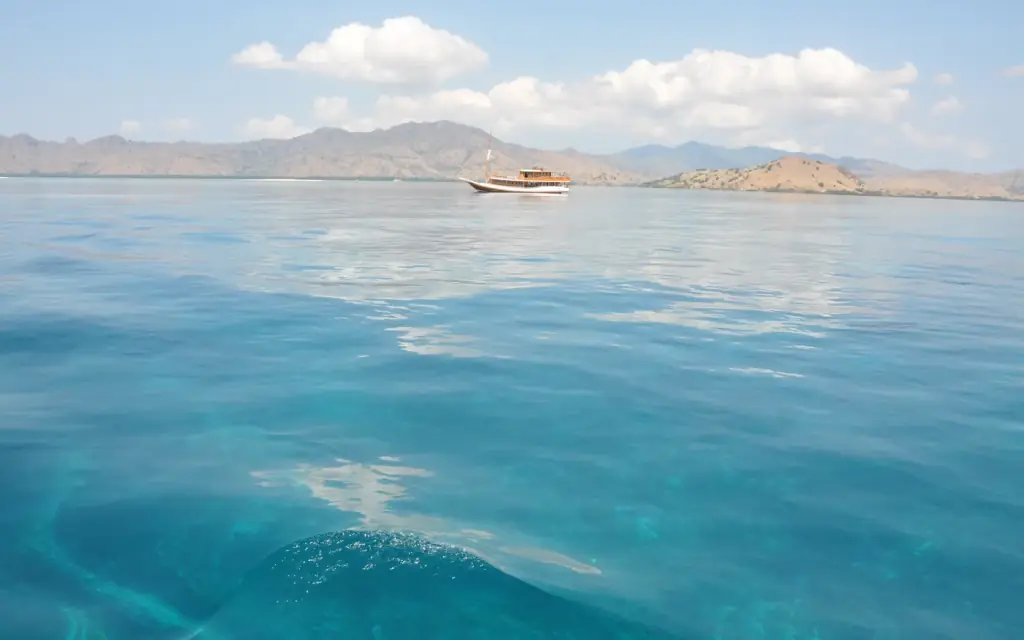
Kanawa Island Snorkeling Safety & Reef Etiquette
Updated: August 2026 Kanawa Island is one of the safer places to snorkel near Labuan Bajo, but “beginner-friendly” is not the same…
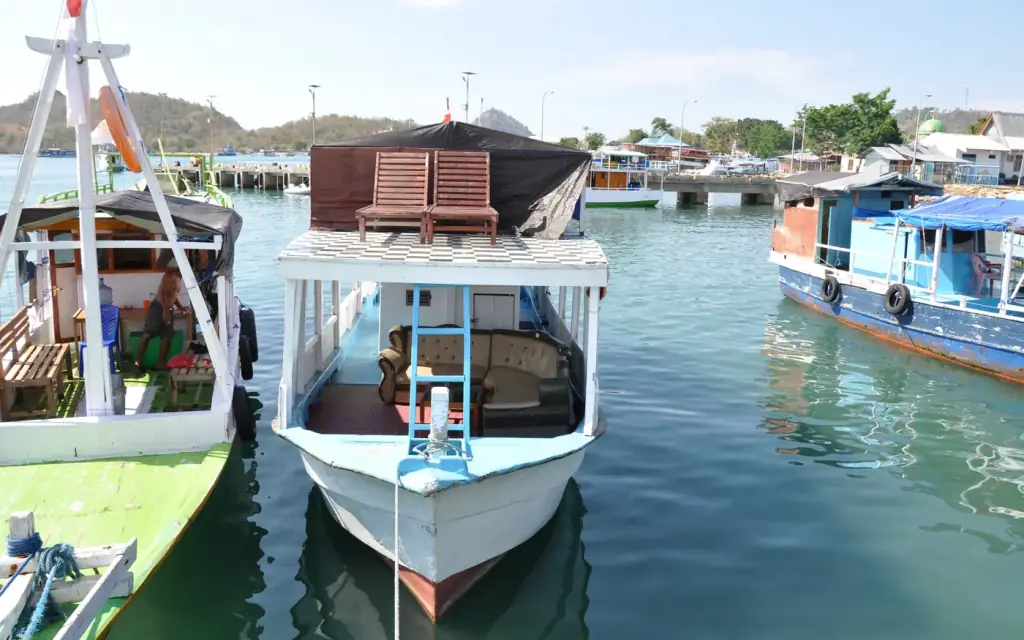
Travel Insurance & Health Prep for Kanawa Island
Updated: August 2026 Kanawa Island itself has no medical post, clinic or pharmacy — the nearest real medical facilities are in Labuan…
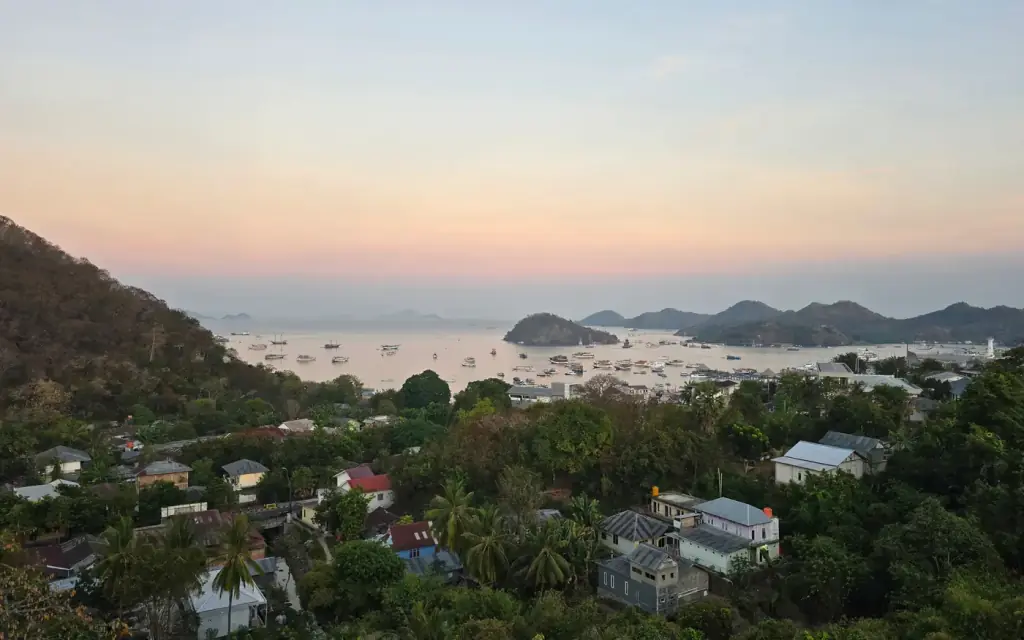
Kanawa Island Solo Travel & Female Safety Guide
Updated: August 2026 Solo travelers, including solo women, visit Kanawa Island regularly and generally find it straightforward and safe — the real…
Planning a day around Kanawa?
Komodo Luxury sits in Labuan Bajo and checks conditions the evening before and the morning of every departure. Send your dates and you get a written quote — fares, inclusions, and park fees stated separately.