
Seasickness & health on Komodo boats – stay comfortable at sea
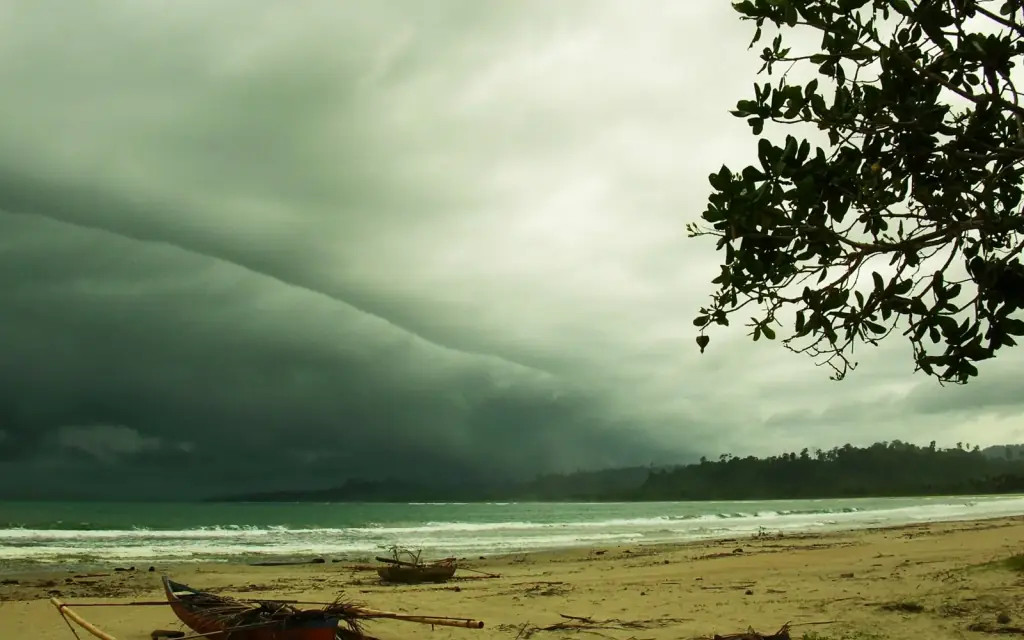 Photo: Abimanyu S. Aji / Wikimedia Commons (CC BY-SA 4.0)
Updated: August 2026
Understanding Seasickness: A Quick Definition
Seasickness is a form of motion sickness that occurs due to the imbalance between your inner ear’s sensation of motion and what your eyes see while on a boat. In Komodo National Park, where boats navigate through variable sea conditions, many travelers experience this discomfort, especially if they are not accustomed to ocean travel.
How Bad is Seasickness in Komodo National Park?
In Komodo National Park, seasickness can range from mild discomfort to severe nausea, depending on individual susceptibility and the weather conditions at sea. The waters between Labuan Bajo and Kanawa Island can be particularly choppy, especially during the rainy season from November to March. During these months, winds can whip up waves that may cause boats to rock significantly, resulting in a higher chance of seasickness.
In dry season (April to October), conditions are generally calmer, but don’t be fooled; even on sunny days, the ocean can still have a mind of its own. Many travelers report feeling queasy during the 20-35 minute boat ride to Kanawa Island. If you’re prone to motion sickness, it’s wise to be prepared.
Boat Conditions: Labuan Bajo to Kanawa Island
The journey from Labuan Bajo to Kanawa Island typically takes 20 to 35 minutes, depending on the boat and sea conditions. The waters can be relatively calm, but tourists should not underestimate the potential for rocky rides. Most boats used for this route are local wooden vessels or speedboats, which might rock or sway, especially when navigating through narrower channels or in open waters.
- Wooden Boats: These provide a traditional experience, but can be slower and more susceptible to rocking.
- Speedboats: Faster and generally more stable, but they may skip across the waves, leading to sudden jolts.
Shared-boat fares from Labuan Bajo to Kanawa Island vary by boat type and season — ask your operator for the current per-person rate. If you would rather charter a private speedboat for more room to be seasick in peace, message Komodo Luxury for a written quote on a shorter Kanawa-only route — this site does not publish a fixed half-day figure — or budget the published USD 800 per boat per day full-day rate (Komodo Luxury, checked 25 August 2026), split however many passengers are aboard.
What Are the Best Seasickness Tablets for Komodo Boats?
managing seasickness, medication can be effective. The best options include:
- Meclizine (Bonine): Available over-the-counter, this is effective and the most widely recommended seasickness tablet for boat trips. Taking a dose about an hour before boarding can help.
- Dramamine: Another popular choice, Dramamine works similarly to Meclizine and is also available without a prescription.
- Ginger Tablets: For those who prefer a natural remedy, ginger can help alleviate nausea. Look for ginger capsules or candy as a preventative measure.
Dosage varies, so it’s essential to follow the instructions on the packaging. If you’re unsure, consult with a pharmacist or healthcare provider before your trip.
Tips to Avoid Seasickness on Liveaboard
Liveaboard trips in Komodo National Park are a popular choice for divers and snorkelers, but they can also provoke seasickness if precautions aren’t taken. Here are some tips to stay comfortable:
- Choose the Right Cabin: Opt for a cabin located in the middle of the boat where there is less movement.
- Stay Hydrated: Drink plenty of water before and during your trip, as dehydration can worsen seasickness.
- Eat Lightly: A small, bland meal can help. Avoid heavy or greasy foods before boarding.
- Gaze at the Horizon: Focusing on a stable point like the horizon can help your brain reconcile the conflicting signals from your eyes and inner ear.
- Get Fresh Air: Spend time on deck to breathe in fresh air, which can alleviate symptoms. The open air can be particularly soothing.
Fear of Deep Water and Komodo Snorkeling
For many, snorkeling in the pristine waters around Komodo National Park is a highlight. However, for those with a fear of deep water, this can pose a challenge. The waters around Kanawa Island can be deep in spots, with diving depths reaching 40 meters (131 feet) in some areas. Here are a few approaches to manage that fear:
- Take a Snorkeling Course: Many operators offer short courses that allow you to learn skills in a controlled environment before heading into deeper waters.
- Stay Close to the Shore: Choose snorkeling spots near shallow reefs to build confidence before venturing deeper.
- Buddy System: Snorkel with a friend or guide who can support you if you feel anxious.
For those who prefer not to swim, many operators offer life jackets and flotation devices. Always communicate your comfort level with your guide to ensure a safe and enjoyable experience.
Is Komodo Safe for Non-Swimmers?
Yes, the Komodo region is generally safe for non-swimmers. Many activities, such as beach lounging or guided boat tours, don’t require swimming. Snorkeling can be done with the assistance of flotation devices, and guides are trained to help individuals who are not comfortable in the water. However, it’s essential to inform your operator of your swimming ability beforehand.
Medical Facilities in Labuan Bajo
If you find yourself feeling unwell, it’s good to know that Labuan Bajo has medical facilities, including a public hospital and private clinics. The main hospital, RSUD Komodo, offers basic medical services, but for more serious conditions, you might need to travel to larger hospitals in Bali, such as RSUP Sanglah. It’s advisable to have travel insurance that covers medical emergencies when traveling in remote areas like Komodo National Park.
For minor ailments and seasickness, you can usually find pharmacies in Labuan Bajo that stock over-the-counter medications. However, it’s best to bring your preferred remedies with you, especially if you know you’re prone to motion sickness.
FAQ
- Q: How long does the boat ride from Labuan Bajo to Kanawa Island take?
A: The boat ride typically takes 20 to 35 minutes, depending on the type of boat and sea conditions. - Q: What can I do if I start feeling seasick?
A: Try to get fresh air, focus on the horizon, drink water, and if necessary, take your seasickness medication. - Q: Are there activities for non-swimmers in Komodo?
A: Yes, non-swimmers can enjoy boat tours, beach time, and guided tours that do not require swimming.
Traveling through the enchanting waters of Komodo National Park doesn’t have to be a discomforting experience. With the right preparation and precautions, you can fully enjoy the vibrant marine life and stunning landscapes that await you. So gear up, take those seasickness tablets, and enjoy the ride!
Explore more from Kanawa Island
- Kanawa Island — home
- Kanawa Island Packing Guide
- 5-Day Kanawa Island Itinerary
- 3-Day Kanawa Island Itinerary
- What to pack for Komodo & Kanawa – luggage, reefs, drones
- Sustainable travel in Komodo & Kanawa – reefs, waste & dragons
Plan with Komodo Luxury on WhatsApp →
Plan Your Kanawa Island Visit
Practical seasickness questions for Kanawa and Komodo boats
What is the likelihood of seasickness on the route to Kanawa Island and best seating area on small boats?
The Labuan Bajo–Kanawa crossing is short, but choppy patches are common, especially in rainy season and on windy afternoons. If you’re prone to motion sickness, assume you will feel something and medicate in advance. On small wooden boats, sit low and near the middle, facing forward. On speedboats, aim for seats mid‑boat rather than the very front, which tends to slam, or the very back, which can smell of fuel.
Where should I sit on Komodo liveaboards and day boats if I’m worried about getting seasick?
On larger liveaboards, choose a midships cabin on the lowest passenger deck; avoid bow cabins and the highest deck, which move more. During crossings, sit outside with a clear view of the horizon and some airflow. On day boats, ask early for a seat mid‑boat, near a window or door. If you’re arranging a custom route, you can discuss boat layout in advance when booking Komodo liveaboard cruises.
Can I still snorkel around Kanawa if I’m feeling a bit seasick or anxious after the boat ride?
Many people feel better once they’re off the moving boat. Give yourself 20–30 minutes on the beach to settle, sip water, and eat a small snack. Start with short swims in the very shallow area (1–2 m) close to shore, where you can always stand. If you still feel nauseous or anxious, skip the deeper reef edge that starts a little further out. Build up slowly rather than forcing a long snorkel immediately.
How should I plan my Komodo and Kanawa itinerary if I’m very prone to motion sickness?
Keep crossings as short as possible and group longer sails into cooler, calmer morning hours. A Kanawa-only day with one return crossing is usually easier than a multi-stop loop. If you do want to reach Padar, Rinca, or Manta Point, consider slower-paced boats or private routes arranged through structured Komodo boat trips, so you can choose departure times and avoid unnecessarily rough segments where possible.
Is it worth paying for a private boat if I get seasick easily, and how does the pricing work?
A private charter mainly buys you control: you choose departure time, route, and how often to stop if someone feels unwell. Boats inside Komodo National Park are usually priced per vessel per day, not per person, while shared tours are sold per seat. For Kanawa-only transfers or a gentler custom route, you’ll need a written quote; structured private routes usually sit under “private trip” options like these private Komodo trips.
Once you’re clear on your seasickness comfort level, you can turn it into a real itinerary. Message +62 811-3823-875 or email sales@komodoluxury.com with dates, group size, and whether you prefer Kanawa-only or full park routes. They can match you with suitable 3D2N Komodo tour packages or add Kanawa as a stop on longer Komodo itineraries including Kanawa Island.
Boats and charters to Kanawa — more from the Journal
Keep reading
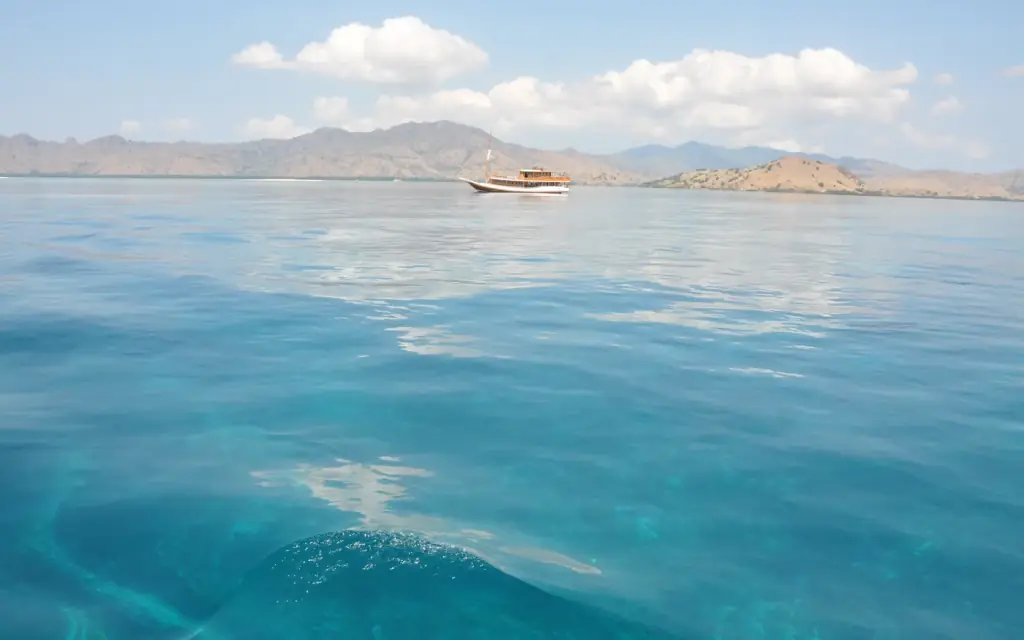
Kanawa Island Snorkeling Safety & Reef Etiquette
Updated: August 2026 Kanawa Island is one of the safer places to snorkel near Labuan Bajo, but “beginner-friendly” is not the same…
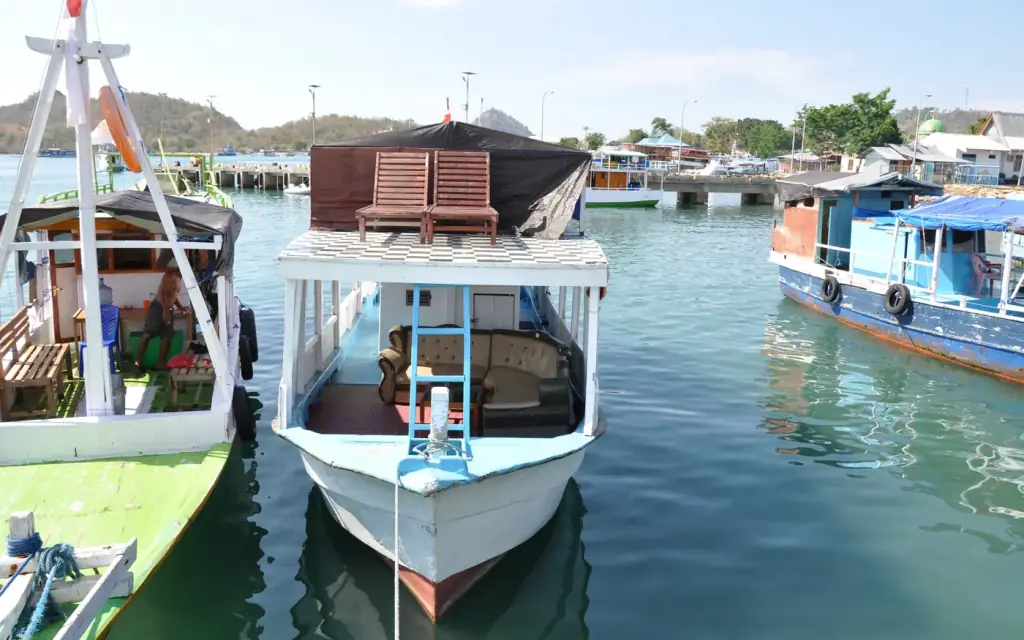
Travel Insurance & Health Prep for Kanawa Island
Updated: August 2026 Kanawa Island itself has no medical post, clinic or pharmacy — the nearest real medical facilities are in Labuan…
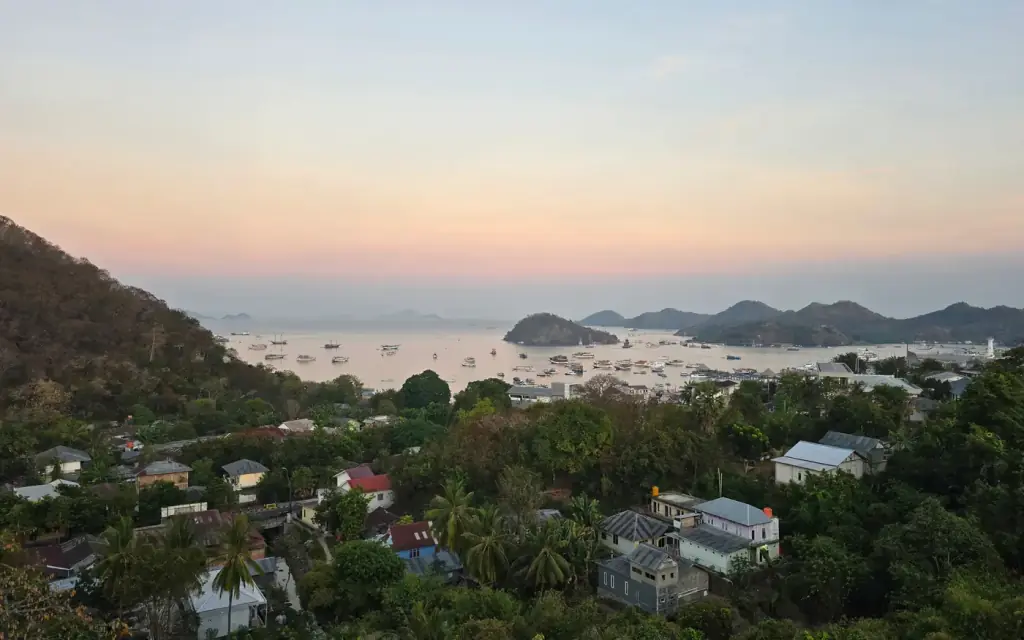
Kanawa Island Solo Travel & Female Safety Guide
Updated: August 2026 Solo travelers, including solo women, visit Kanawa Island regularly and generally find it straightforward and safe — the real…
Planning a day around Kanawa?
Komodo Luxury sits in Labuan Bajo and checks conditions the evening before and the morning of every departure. Send your dates and you get a written quote — fares, inclusions, and park fees stated separately.