
Kanawa Island Snorkeling Safety & Reef Etiquette
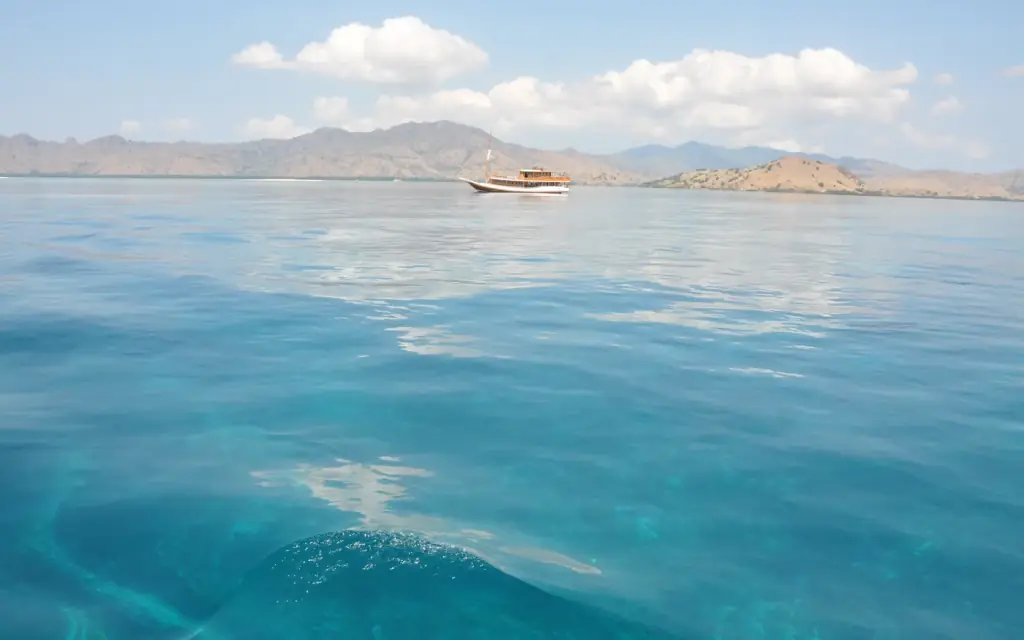 Photo: Jorge Láscar / Wikimedia Commons (CC BY 2.0)
Updated: August 2026
Kanawa Island is one of the safer places to snorkel near Labuan Bajo, but “beginner-friendly” is not the same as “no risk.” The real hazards are sea urchins on the shallow entry (common, avoidable with water shoes), occasional mild jellyfish stings (uncommon, worse November–March), and the absence of a lifeguard on the beach — meaning your safety on the reef comes down to your own buddy system, not a whistle from shore. None of this is a reason to skip snorkeling here; it is the honest checklist most guides leave out.
Is Kanawa Island Safe for Snorkeling? The Short Answer
Yes, for the large majority of visitors, in normal dry-season conditions. Kanawa’s house reef has a beach entry over a shallow, sandy shelf, mild and generally protected currents, and no history of serious incidents reported in travel or operator sources. The qualifier matters: “safe” assumes you can swim, you enter with a buddy, and you follow the practical rules below — it does not mean risk-free, and it does not mean identical conditions on every single day of the year.
Sea Urchins: The Hazard Most Guides Skip
Sea urchins are present in Kanawa’s shallow reef-entry areas and on rocky patches near the shore, and their spines are genuinely painful if you step on one. This is the single most commonly reported physical hazard at Kanawa — more common in practice than jellyfish stings or shark encounters.
- Wear water shoes or reef sandals for the walk from sand into the water, and keep them on until you are floating.
- Avoid standing on coral or rubble once you are in the water — urchins cluster in exactly these spots, and standing damages the reef besides.
- Enter and exit via the main sandy landing beach where possible, rather than the rockier sections of shoreline.
If you do get spined, the standard field response is to remove any visible spine fragments carefully, clean the area, and monitor for infection — ask your boat crew for the first-aid kit rather than treating it yourself if the wound is deep or a spine breaks off under the skin.
Jellyfish: When and How Much to Worry
Jellyfish stings around Kanawa and the wider Komodo area are possible but not common, and the reports that exist describe mild, non-dangerous stingers rather than box jellyfish. Reputable boat operators carry vinegar specifically for this reason, which tells you what species class they are actually planning for: minor irritants, not medical emergencies.
- Higher-chance months: roughly November through March, the wet-season window, when more drifting plankton and small jellyfish move inshore with the weather.
- Dry season (April–October): lower jellyfish presence generally reported alongside the calmer, clearer conditions.
- What to do if stung: exit the water, rinse with vinegar if available (not fresh water, which can worsen some stings), and tell your guide — most stings are uncomfortable rather than dangerous, but let the crew assess it.
There Is No Lifeguard at Kanawa — Here’s What That Means
Current guides and operator descriptions are consistent on this point: Kanawa does not have professional lifeguards or a supervised swimming zone. This is normal for a small day-trip island rather than a developed resort beach, but it changes how you should behave in the water.
- You are responsible for your own recall. No one is scanning the water for you from a lifeguard chair.
- Tell your guide or boat crew your planned route before you enter, especially if you intend to swim further than the immediate shallows.
- Treat the buddy system as mandatory, not optional — see the step-by-step routine below.
How to Snorkel Safely at Kanawa Island, Step by Step
- Ask the crew about today’s current and any hazard zones before you get in the water — conditions genuinely vary day to day, and the crew knows the current line better than any general guide.
- Put on water shoes before you walk to the entry point, and keep them on until you’re floating past the shallow reef flat.
- Pair up with a buddy and agree on a simple check-in interval — a wave or a thumbs-up every few minutes is enough.
- Tell the guide or crew your intended route and roughly how long you plan to be in the water.
- Stay inside the sheltered house-reef area unless a guide is actively leading you further — the north corner of the reef is where the current line typically forms.
- Know the boat’s recall signal before you enter — ask specifically, since Komodo boats vary between a horn, a whistle, or a crew member waving from the beach or tender.
- If you feel a current pulling you, swim parallel to shore rather than straight against it, then angle back in once you’re clear of the pull.
- Exit the same way you entered — over sand, water shoes on, rather than improvising a shortcut over rock or reef.
Currents: What’s Different at Kanawa vs Manta Point and Batu Bolong
Kanawa’s currents are consistently described as mild and largely protected compared with the region’s dive-focused sites. This is a real, meaningful difference, not a marketing simplification:
- Kanawa house reef: generally mild currents, manageable for most swimmers; a current line can form at the reef’s northern corner, especially on spring tides.
- Manta Point (Karang Makassar): a drift site by design — you are meant to move with the current, under boat cover, with a briefing beforehand. Not comparable in intensity to a casual Kanawa swim.
- Batu Bolong: one of the region’s strongest-current dive sites, with down-currents that are actively discouraged for casual snorkelers.
The practical takeaway: Kanawa is genuinely one of the calmer, more forgiving snorkel spots in the Komodo circuit, but “calmer than Batu Bolong” is not the same as “no current, ever.” Ask about the day’s conditions regardless of how many times you’ve snorkeled here before.
Frequently Asked Questions
Are sea urchins dangerous at Kanawa Island?
They are painful rather than dangerous. Stepping on one causes sharp, localised pain from embedded spines, which usually resolves with careful spine removal and basic wound care. Water shoes prevent almost all urchin injuries.
Is it safe to snorkel from the beach at Kanawa Island without a guide?
It is commonly done, since the house reef starts close to shore in shallow water, but it is safer with a buddy and after telling someone your route, since there is no lifeguard watching the water.
What months have the most jellyfish at Kanawa Island?
Roughly November through March, the wet-season window, sees more reported jellyfish presence than the April–October dry season, though sightings are inconsistent and not every wet-season day has jellyfish.
Is there a lifeguard at Kanawa Island?
No. Current guides and operator sources do not report a formal lifeguard presence at Kanawa’s beach. Treat it as a self-supervised swim area and rely on your guide, crew, and buddy system.
What is the boat pickup signal if I’m snorkeling away from the beach?
This varies by boat — ask your specific captain or guide before entering the water, since Komodo boats use a mix of horn signals, whistles, and crew waving from the shore or tender rather than one universal system.
Snorkel Kanawa With a Crew That Briefs You Properly
None of the hazards above are reasons to avoid Kanawa — they are exactly what a proper safety briefing should cover before you get in the water. Komodo Luxury has operated boats out of Labuan Bajo since 2015, part of Juara Holding Group, operating from Bali across Indonesia, and every trip includes a real briefing on current conditions and the day’s recall signal, not a rushed afterthought.
See our full Kanawa Island snorkeling guide for reef and species detail, or explore the Komodo boat trip range for guided options with an experienced crew on board.
WhatsApp: +62 811-3810-8110 — chat with Komodo Luxury
Email: sales@komodoluxury.com
Plan Your Kanawa Island Visit
Practical Snorkeling Conditions, Hazards and Etiquette at Kanawa Island
What are the main snorkeling safety rules at Kanawa Island for currents, jellyfish and other hazards?
Think in three layers: entry, mid-reef, and how you get back. For entry, use water shoes, pick a sandy gap, and don’t rush — this is where most sea urchin contact happens. On the reef, stay shallow if you’re not confident, and watch for mild currents flowing parallel to shore. For jellyfish, be more cautious November–March and get out if you feel repeated stings. Always tell your boat crew where you plan to swim and how long you’ll be out.
How safe is Kanawa Island shallow reef snorkeling for beginners and children?
Kanawa’s inner flat is 1–3 m deep with sand and scattered coral, so confident swimmers and supervised children can float above the bottom without needing to dive. The key is to stay inside the obvious drop-off line, where the reef wall begins to fall away and currents can pick up. Put non-swimmers in well-fitted lifejackets, not inflatable toys, and keep one adult focused on watching the group rather than filming. Enter and exit the water from the calmest, sandiest section of the beach.
Is it safe to swim at Kanawa Island given the presence of jellyfish, and how common are stings?
Most visitors snorkel Kanawa without ever seeing a jellyfish, but mild stings do happen, especially when the water has more plankton. Around Kanawa Island jellyfish stings are usually described as itchy lines or small welts, not medical emergencies. Crews typically carry vinegar and may suggest wearing a thin rash guard. Treat the water as “lower risk, not zero risk”: if you feel multiple zaps in a few minutes, cut the session short and move location rather than pushing through.
When is Kanawa Island jellyfish season, and what about October and November specifically?
Kanawa Island jellyfish presence tends to increase with the wet-season pattern, broadly November–March. October can go either way: some years it still feels like clear, dry-season water; other years plankton and small jellies arrive early. November is more consistently “jellyfishy,” but usually with small, non-dangerous species. Ask your skipper what they’ve seen in the last few days. A long-sleeve rash vest and leggings are the most practical Kanawa Island jellyfish season and stings prevention tool, especially for those months.
Are there dangerous jellyfish around Kanawa Island, like box jellyfish or Irukandji?
Local guides and long-term operators do not describe Kanawa as a hotspot for box jellyfish or Irukandji-type stingers. The pattern is more small, translucent jellyfish that cause discomfort rather than systemic reactions. That said, “not typical” is not the same as “impossible,” so treat any spreading rash, breathing difficulty, or dizziness seriously and return to Labuan Bajo for medical care. If you have a known history of strong reactions to stings, consider staying on the boat during obvious bloom days and discuss it with your crew before departing.
What should I know about Kanawa Island sea urchins when snorkeling from the beach?
Kanawa Island sea urchins concentrate in exactly the areas people instinctively step: rock tongues, coral rubble, and shallow reef patches. For Kanawa Island water shoes snorkeling is more than comfort — it’s basic protection for the first 10–20 m. Once you are floating, the rule is simple: never stand on coral or rocks, even “dead-looking” patches. If you need to adjust your mask, swim back over sand first. Tell your guide immediately if you’re spined so they can clean and assess the wound rather than improvising.
Are there any environmental rules or etiquette visitors should follow on Kanawa Island?
The reef is already under pressure, so small choices matter. Don’t touch, chase, or feed fish. Keep fins high so you’re not ploughing through branching coral. Sunscreen should be applied well before you enter the water; a long-sleeve shirt is better than extra lotion. Take all rubbish back to Labuan Bajo — bins on the island can overflow. If your boat offers a briefing on reef etiquette, treat it as standard, not optional, and expect the same awareness on nearby sites listed in their wider Komodo dive-site guide.
Is there any cultural or local etiquette specific to Kanawa Island that differs from mainland Flores?
Most crew and staff you meet are still from Flores, so the basics carry over: greet people first, dress modestly when you’re not in the water (shirt and shorts over swimwear), and ask before photographing anyone close-up. On a small island it’s also respectful not to assume every boat, bungalow or shady corner is “public”. If you’re walking the back of the island or near staff-only buildings, a quick “boleh lewat?” (may I pass?) goes a long way. Keep noise low in the early morning and after dark when crews are resting.
Do I really need water shoes for Kanawa, or are fins enough?
If you are entering from the beach, treat water shoes as standard gear rather than a luxury. Fins are awkward for the initial walk-out and easy to trip in, especially at low tide when rocks and urchins are more exposed. The simplest routine is sandals or water shoes from the sand to chest-deep water, then switch to fins while you float. If your boat drops you directly over deeper reef, you can skip them, but for independent shore entries around Kanawa they dramatically cut your risk of cuts and spines.
How do Kanawa’s conditions compare to stronger-current sites like Manta Point if I’m planning a wider snorkeling day?
Kanawa usually feels like a sheltered training ground compared with open-water sites. The reef sits close to shore, you can see land the whole time, and currents are milder and more predictable. Once you head to places like Manta Point, you’re dealing with drift conditions, deeper water, and boat-only exits. Many operators structure itineraries with Kanawa as the relaxed stop on a larger loop. If you want to combine it with more advanced sites, look at day itineraries offered in their general Komodo snorkeling activities overview.
How can I turn these precautions into a concrete Kanawa snorkeling plan from Labuan Bajo?
From Labuan Bajo, you’ll arrange a boat (shared or private), budget your Kanawa Island access contribution with your operator, and pack your own safety basics: water shoes, rash guard, and a small dry bag. For an organised day that can also include other nearby islands, enquire about routes and availability via Komodo boat trips or speedboat charters, then confirm details directly on WhatsApp +62 811-3810-8110 or at sales@komodoluxury.com.
Snorkelling at Kanawa — more from the Journal
Keep reading
Travel Insurance & Health Prep for Kanawa Island
Updated: August 2026 Kanawa Island itself has no medical post, clinic or pharmacy — the nearest real medical facilities are in Labuan…
Kanawa Island Solo Travel & Female Safety Guide
Updated: August 2026 Solo travelers, including solo women, visit Kanawa Island regularly and generally find it straightforward and safe — the real…
Reef-Safe Sunscreen & Sun Kit for Kanawa Island
Updated: August 2026 Indonesia has no national law banning specific sunscreen ingredients at Kanawa Island or anywhere in Komodo National Park, unlike…
Planning a day around Kanawa?
Komodo Luxury sits in Labuan Bajo and checks conditions the evening before and the morning of every departure. Send your dates and you get a written quote — fares, inclusions, and park fees stated separately.