
Choosing your Komodo boat – cabins, comfort & safety explained
Updated: August 2026
Understanding Your Options: Choosing the Right Komodo Boat
When planning a trip to Komodo National Park, selecting the right boat is crucial for maximizing your experience. With various options ranging from luxurious liveaboards to practical speedboats, understanding their features and differences can significantly impact your adventure. In this guide, we’ll explore the best Komodo boats for snorkeling, cabin types, comfort levels, safety, and how to choose the right tour operator.
Best Komodo Liveaboard Boats for Snorkeling
For many travelers, a liveaboard experience in Komodo is the ultimate way to explore the area’s vibrant marine life. Liveaboards typically offer multi-day trips that allow you to dive or snorkel at multiple sites in one go. Prices for these liveaboards vary greatly based on amenities and duration, roughly from budget shared-cabin trips to luxury private charters for the same three days. We do not have one current, verified price list across operators, so treat named vessels above only as examples of the tier they represent, and get a live quote directly from the operator or a booking desk before you commit.
Some popular choices include:
- Komodo Scout: A budget-oriented option with shared cabins and basic amenities.
- La Galigo: A mid-range option with comfortable private cabins and onboard meals.
- Aliikai: A higher-end vessel with spacious cabins, air conditioning, and more elaborate dining.
The best snorkeling spots include Manta Point, where you might encounter majestic manta rays, and Pink Beach, known for its stunning coral reefs.
Phinisi Boat vs. Speedboat: Which to Choose?
Two common types of boats used for tours in Komodo are the traditional Phinisi boats and speedboats. Each has its pros and cons, depending on your travel style and preferences.
Phinisi Boats
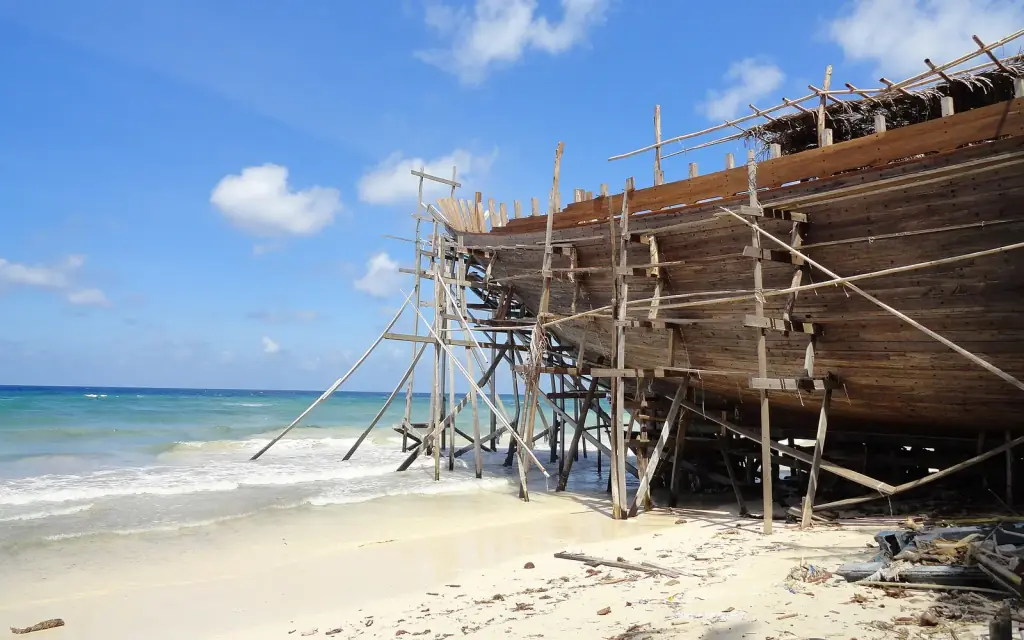
- Comfort and Experience: These wooden boats are known for their traditional designs and charm. They offer a slower, more scenic journey through the islands.
- Duration: Phinisi trips are usually longer, ranging from 3 to 7 days, allowing you ample time to explore and snorkel.
- Costs: Multi-day liveaboard pricing varies enormously by vessel class and length — request current quotes from a few operators.
Speedboats
- Speed and Efficiency: If you’re short on time or prefer a quick trip, speedboats can get you to popular sites in a matter of hours.
- Duration: These trips are typically day trips, lasting around 8 to 12 hours.
- Costs: Speedboat day-trip pricing varies by operator and inclusions — see our Komodo tour pricing guide for indicative ranges.
Ultimately, your choice will depend on whether you prefer a leisurely cruise with more time to explore or a quick trip to the highlights.
Shared Komodo Boat Trip: Pros and Cons
Some travelers choose shared boat trips to save on costs and meet fellow adventurers. Understanding the pros and cons of these trips can help you decide if it’s the right choice for you.
Pros
- Cost-Effective: Shared trips are generally more affordable than a private charter — ask a few operators for current shared-seat rates.
- Social Interaction: They offer a chance to meet other travelers, which can enrich your experience.
- Convenience: Many operators handle logistics, making it easier to plan your itinerary.
Cons
- Limited Flexibility: You may have to adhere to a set schedule, which limits your ability to linger at specific sites.
- Crowded Conditions: Depending on the boat size, you may find yourself sharing space with more people than you’d prefer.
- Variable Experience: The quality of snorkeling gear and food can vary significantly between operators.
It’s worth weighing these factors against a private charter if you’re looking for a more tailored experience.
What Are Komodo Liveaboard Cabins Like?
The cabin experience on a liveaboard can vary widely depending on the boat’s class. Understanding what to expect in terms of amenities can help you choose the right one for your needs.
Types of Cabins
- Shared Cabins: These are more affordable, accommodating anywhere from 4 to 10 people. Basic amenities include bunk beds and shared bathrooms.
- Private Cabins: Offering more comfort, private cabins usually come with a double bed and en-suite bathroom. Air conditioning is often available.
Aircon vs. Fan Cabins
Air conditioning can make a significant difference in comfort, especially during the hot months from May to September. Air-conditioned cabins typically cost more than fan cabins, with the exact premium set by each boat operator. Fan cabins are more common in budget options but can be stifling in peak season. A cabin with air conditioning offers a more restful experience, especially after a day in the sun.
Is It Safe to Sleep on a Boat in Komodo?
Safety is always a concern when traveling, and sleeping on a boat can raise questions. Generally, it is safe to sleep on a liveaboard in Komodo, provided you choose a reputable operator. Most boats are equipped with life jackets, and crews are trained in safety protocols. However, here are some factors to consider:
- Boat Quality: Ensure the operator follows safety standards and has good reviews regarding their boats.
- Emergency Plans: A reputable operator will have emergency procedures and equipment, including life rafts and communication devices.
- Personal Comfort: If you’re prone to seasickness, consider bringing medication or staying on a larger boat, which tends to be more stable.
Discuss any safety concerns with your tour operator prior to booking to feel more secure about your choice.
Komodo Boat Facilities: Shower and Toilet
Understanding what facilities are available on board can enhance your liveaboard experience. While many liveaboards offer basic amenities, the quality can vary significantly.
Bathrooms
Most liveaboards come equipped with at least one shared toilet and shower. Luxury boats may have en-suite bathrooms in private cabins, providing added comfort. Budget liveaboards typically feature simple toilets that use a pump system, which might take some getting used to.
Common Areas
Many liveaboards include a lounge area where guests can relax, socialize, and enjoy meals together. Some boats also offer sun decks for sunbathing and socializing after a day of snorkeling or diving. Always check the specifics with your tour operator to understand the layout and available facilities.
How to Choose a Komodo Tour Operator
Choosing the right tour operator can make or break your Komodo experience. Here are key factors to consider:
Research and Reviews
Look for operators with positive reviews on travel sites and forums. Check their social media for recent feedback and photos from travelers.
Safety Standards
Ask about safety measures, including certifications for their boats and crews. An informed operator will be happy to provide this information.
Inclusions and Itinerary
Carefully review what’s included in the package: meals, snorkel gear, and excursions. Make sure the itinerary aligns with your interests, ensuring it includes key snorkeling spots.
Finally, consider reaching out to past travelers for their insights and recommendations. Their first-hand experiences can provide valuable guidance in making your decision.
Frequently Asked Questions
- What is the best time to visit Komodo?
The peak season is from May to September when the weather is dry and ideal for snorkeling. - Are there age restrictions for liveaboard trips?
Most operators welcome travelers of all ages, but younger children may require additional supervision. - How many snorkel spots can we visit in a day?
On a full-day trip, expect to visit 2-3 spots, while liveaboards can cover up to 5 locations in a multi-day itinerary.
Choosing the right boat for your Komodo adventure can significantly enhance your experience. Work through the cabin, the crew size and the route before you compare prices; those three decide how the days actually feel.
Ready to set sail on your Komodo adventure? Start planning today!
Explore more from Kanawa Island
- Kanawa Island — home
- 3-Day Kanawa Island Itinerary
- Best Time for Kanawa Island
- Kanawa Island vs Alternatives Comparison
- Komodo tour prices 2026 – day trips, liveaboards, what’s included
- Komodo diving highlights – Manta Point, Batu Bolong & more
Plan with Komodo Luxury on WhatsApp →
Plan Your Kanawa Island Visit
Practical Questions on Boat Trips and Onboard Life
We’re planning a 3-day liveaboard. How does this guide help us choose between different phinisi cabin types?
This guide provides the framework for your decision. It explains the core differences between master cabins, private doubles, and shared dorms, which is the starting point for any enquiry. Treat our guide to choosing a Komodo boat — cabins, comfort and safety — as your briefing. Your next step is to request specific deck plans and photos from your chosen operator. The actual layout and condition vary significantly from one vessel to another, so always review the exact boat you are booking. Many excellent Komodo liveaboard cruises are available, each with a unique configuration.
Can I charge my phone and camera batteries on a typical Komodo boat?
On most multi-day phinisi boats, yes, but with limitations. Power usually comes from a generator that runs for specific hours, often in the evening and overnight, not 24/7. Cabins and common areas will have sockets, but it’s wise to bring a power bank. On day trips, charging is less certain. While some larger vessels might have options, many private speedboat charters have limited or no public charging points. Always assume you will need to arrive with fully charged devices and have your own backup power for the day.
What are the sea conditions like around Komodo, and should I be concerned about seasickness?
The waters within the national park, sheltered by the many islands, are typically calm. However, the open sea crossings between islands like Padar or to certain manta points can get choppy, especially on windy days. Phinisi boats are generally more stable due to their size and weight. If you are prone to motion sickness, it is a real possibility. We recommend taking preventative medication before you board, especially for faster-moving Komodo one-day trip packages where the boat’s movement is more pronounced. It is always better to be prepared.
What kind of food and drink is provided on a multi-day Komodo trip? Can they handle dietary restrictions?
On liveaboards, you can typically expect three meals a day, often served buffet-style, featuring a mix of Indonesian dishes like nasi goreng, grilled fish, chicken satay, and fresh vegetables. Coffee, tea, and bottled water are usually included, while soft drinks and alcohol are extra. Most reputable operators can accommodate dietary needs (vegetarian, gluten-free, allergies) if you inform them clearly at the time of booking. Do not wait until you are on the boat, as supplies are limited once you depart Labuan Bajo harbour. Always confirm in writing beforehand.
When you are ready to discuss your trip, an experienced operator can provide a detailed quote and confirm vessel availability. Contact the Komodo Luxury team via WhatsApp at +62 811-3823-875 or email sales@komodoluxury.com. Explore their full range of Komodo boat trips or focus on Kanawa Island specifically.
Boats and charters to Kanawa — more from the Journal
Keep reading
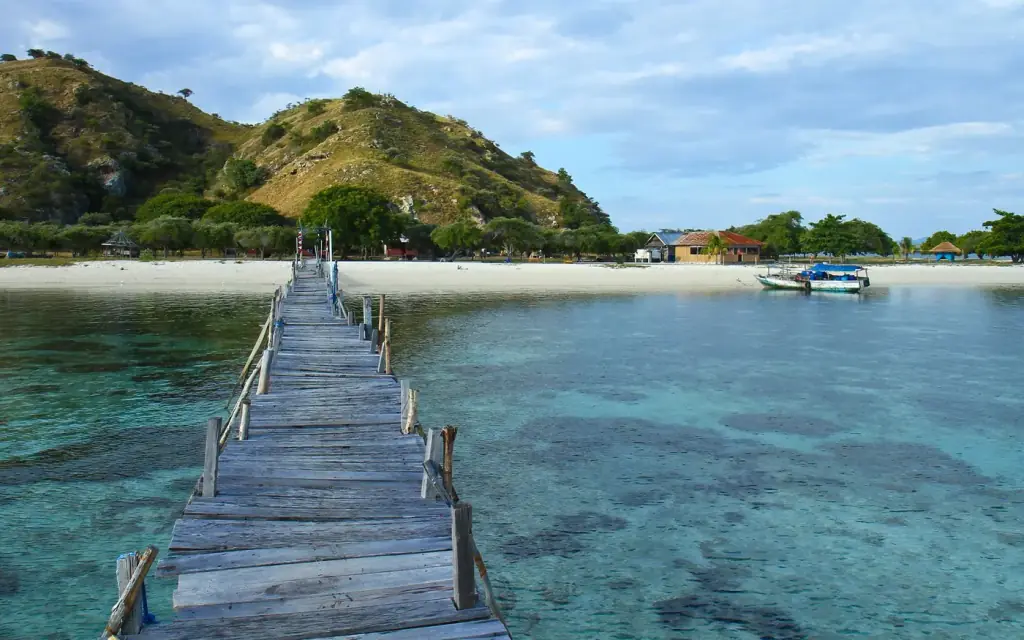
How Many Hours Do You Need on Kanawa Island?
Updated: August 2026 Most visitors need a minimum of 3 hours on Kanawa Island to snorkel the house reef properly and relax…
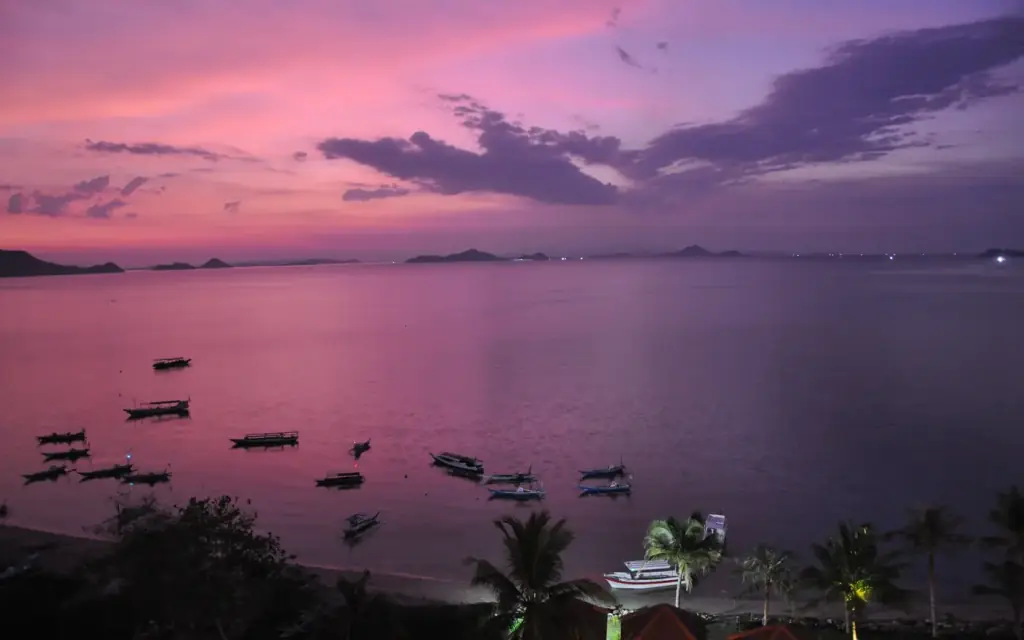
Sunrise or Sunset at Kanawa Island? Photographer Call
Updated: August 2026 Sunset wins for most photographers at Kanawa Island: the west-facing beach puts the sun going down directly over open…
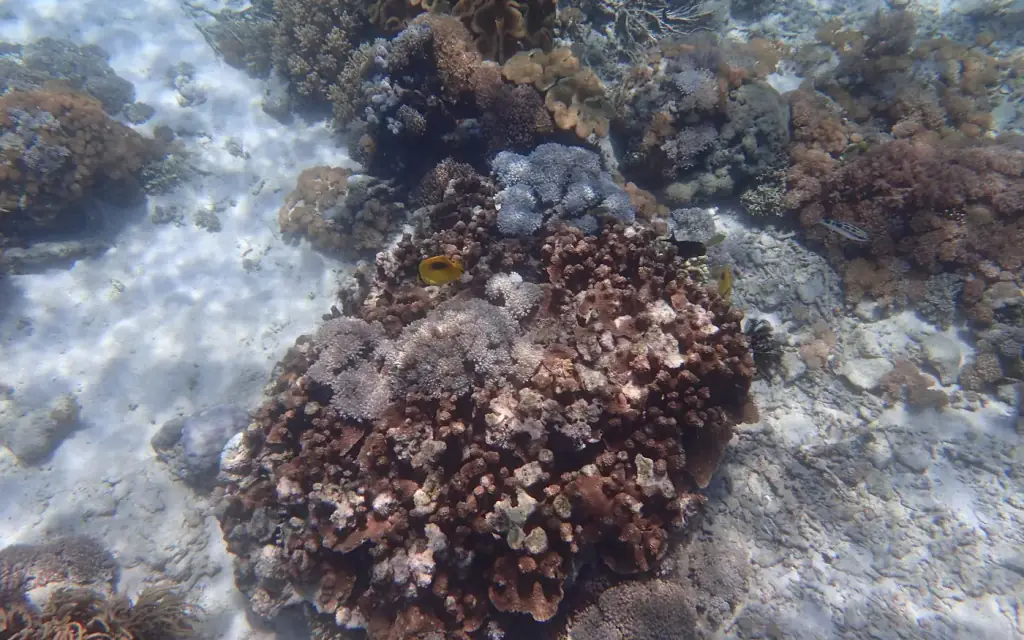
Kanawa Island Marine Life: Species You Actually See
Updated: August 2026 Kanawa Island’s house reef delivers classic Coral Triangle life within a short swim of the beach: reef-fish carpets of…
Planning a day around Kanawa?
Komodo Luxury sits in Labuan Bajo and checks conditions the evening before and the morning of every departure. Send your dates and you get a written quote — fares, inclusions, and park fees stated separately.