
When Boats to Kanawa Island Get Cancelled
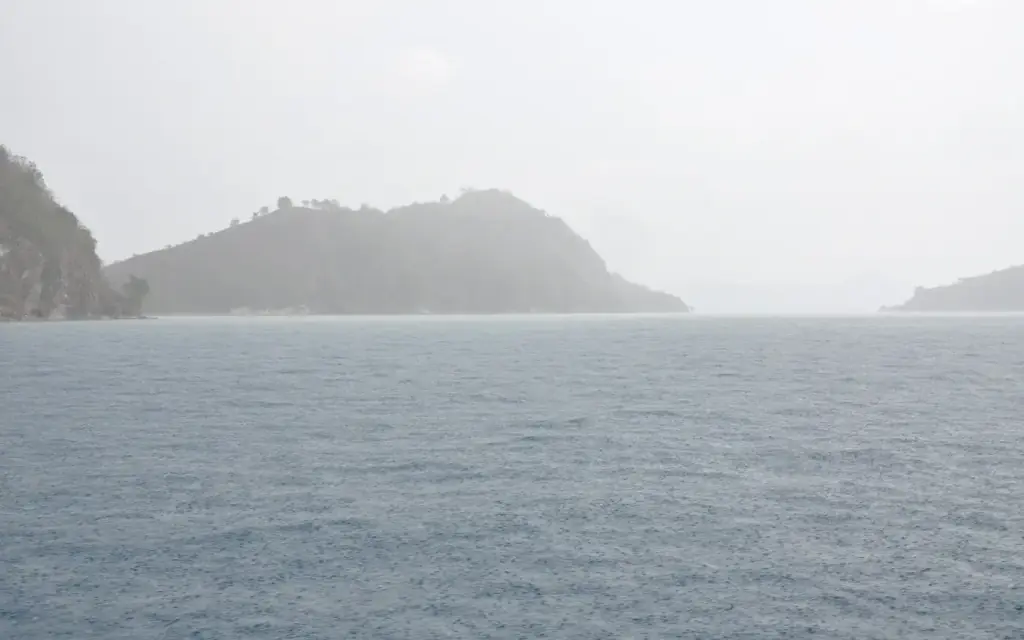 Photo: Jorge Láscar / Wikimedia Commons (CC BY 2.0)
Updated: August 2026
Boats to Kanawa Island get cancelled or delayed most often during the west monsoon (musim barat), roughly December through March, when wind and wave heights rise across the Flores Sea and the Labuan Bajo port authority (KSOP) has, in recent seasons, issued multi-day bans on all tourist boat sailings based on BMKG weather forecasts. Cancellations can still happen in the dry season when a strong weather system passes through, but they are far less frequent. This page covers what actually drives cancellations, which months carry the most risk, and what to do if your trip is affected.
What Actually Causes a Boat Cancellation?
Decisions are not made informally by individual boat captains alone. Indonesia’s meteorology agency, BMKG, publishes marine forecasts for Komodo National Park waters covering wind, wave height and currents, and the Labuan Bajo port authority (KSOP Kelas III) uses this data as the formal basis for closing sailing permits (Surat Persetujuan Berlayar, or SPB) across all tourist vessels — including speedboats — when conditions cross a risk threshold. This means a cancellation is often a blanket, area-wide decision rather than one operator being overly cautious: when KSOP closes the port to tourist sailings, every boat, including yours, stays docked regardless of how experienced the crew is.
BMKG bulletins also note that gusts can run roughly 40% stronger than the forecast average wind speed, and that maximum individual waves can reach up to twice the forecast “significant” wave height — so a forecast of 1 to 1.5 metres can mean real waves of 2 to 3 metres during a squall. This is why authorities sometimes close sailings even when the headline forecast number looks only moderate.
Which Months Carry the Highest Cancellation Risk?
| Period | Typical conditions | Cancellation risk |
|---|---|---|
| December – January | Onset and peak of west monsoon; frequent squalls, thunderstorms, average seasonal waves around 1.3–1.4 m | Highest — documented multi-day KSOP closures in recent seasons |
| February – March | Continued west monsoon, gradually easing; rain and gusty northwest winds persist | High but somewhat more variable day to day |
| April – June | Opening of the dry season; the trades set in and the sea settles, with occasional windy afternoons | Low to moderate |
| July – August | Dry season, but can bring stronger trade winds and occasional swell spikes | Low, with rare short closures during strong systems |
| September – October | Second transition window and the close of the dry season; the calmest average sea conditions of the year (around 0.8 m average wave height) | Lowest |
| November | Changeover to the west monsoon — usually settled in the first half of the month, with the first storms possible late | Moderate, and rising through the month |
For a fuller month-by-month breakdown of rain, temperature and crowd levels rather than cancellation risk specifically, see our Kanawa Island weather by month guide and our best time to visit hub.
Documented Closure Episodes
Recent seasons give concrete examples of how this plays out in practice, based on port authority notices and BMKG data:
- Late December: KSOP Labuan Bajo has issued temporary closures of tourist cruise sailings across West Manggarai waters, citing BMKG wave-height forecasts pointing to extreme weather potential.
- Mid-January: A multi-day sailing ban covering all tourist vessels, including speedboats, has been recorded, with BMKG marine data for the immediate Kanawa area during that window showing waves in roughly the 0.6–1.5 metre range — a reminder that closures can happen even at readings some might consider moderate, once rain, gusts and currents are factored in together.
- Early August (dry season): Sailings to Komodo and Padar have also been closed outside the west monsoon window when a short, strong system pushed waves to around 2.4 metres — proof that even peak dry season is not entirely cancellation-free.
There is no single published BMKG dataset tabulating “number of Kanawa boat cancellations per month” — the pattern above is pieced together from port authority notices and news coverage rather than one official statistic, so treat it as a reliable seasonal pattern rather than a guaranteed percentage.
Does a Boat Leave for Kanawa Island Every Day?
In the dry season, yes, on most days — boats to Kanawa run close to daily with only occasional weather-related delays. In the west monsoon, no: expect that some days will be cancelled outright, particularly during multi-day closure periods, and that even on “sailing” days departures may be pushed later in the morning once wind has settled. Nobody, including your operator, can guarantee a specific date will sail six months out during December–March — the honest answer is that west-season bookings carry real schedule risk that dry-season bookings mostly do not.
Morning vs Evening: Does Timing Within a Day Matter?
Yes, and this is a detail few guides mention. A wave-characteristics study of Labuan Bajo waters found average wave heights were highest around 07:00 and lowest around 19:00 on a typical day, reflecting how local wind and sea interact through daylight hours. In practice this means the early-morning departure most day trips prefer — timed for calm water and good light at Kanawa — is not automatically the calmest possible window on a borderline weather day; captains and port authorities weigh this when deciding whether to sail at first light or push a departure later. It also explains why some west-season crossings feel rougher on the way out than on the return leg in the late afternoon.
What Happens If Your Trip Is Cancelled?
With a reputable operator, a weather cancellation is not simply a lost booking. The standard approach is to reschedule your trip to the next available weather window within your stay, shift the itinerary to a more sheltered route if only part of the plan is affected, or work out a fair resolution directly if rescheduling is not possible — these terms should be agreed in writing before you pay, not improvised on the day. Building one flexible spare day into any Labuan Bajo itinerary planned for December–March is the single most effective way to protect a west-season trip from a total loss.
How to Reduce Your Risk of a Cancelled Trip
- Travel inside the April–October dry season if your dates are flexible, and lean toward September–October specifically for the calmest average sea conditions of the year. November can still be settled early in the month, but it is the changeover to the west monsoon, so treat it as a gamble rather than a safe window.
- Book a private charter rather than a fixed group departure when travelling December–March, since private trips can shift dates within your stay more easily than a scheduled open-trip boat.
- Keep at least one buffer day in your Labuan Bajo itinerary during west-monsoon months.
- Ask your operator directly what their rescheduling and refund policy is before booking, and get it in writing.
- Check travel insurance coverage for weather-related trip disruption; see our travel insurance and health guide for what to look for.
Is it safe to book a Kanawa Island trip in January?
You can book one, but treat the date as provisional rather than fixed. January sits inside the west monsoon’s highest-risk window, and multi-day port closures have been recorded in recent Januarys — build in a spare day and confirm your operator’s rescheduling policy before you pay.
Do speedboats get cancelled more often than larger boats?
Yes, generally. Smaller, faster vessels are more affected by chop and swell than larger phinisi, and port authority closures during west-monsoon events typically apply to all tourist vessel types at once, including speedboats, rather than singling out one boat class.
Can I get a refund if my Kanawa trip is cancelled for weather?
Policies vary by operator, which is why confirming the rescheduling and refund terms in writing before booking matters. A reputable operator will typically offer to reschedule within your travel window first, since weather cancellations are outside anyone’s control.
Plan Around the Weather, Not Against It
A cancelled sailing day is a real possibility during west-monsoon travel, not a rare edge case — planning for it is more useful than hoping around it. Trips to Kanawa Island are arranged through Komodo Luxury, part of Juara Holding Group, founded 2015, and Komodo Luxury will always tell you honestly if your dates fall in a higher-risk window. Message Komodo Luxury on WhatsApp at +62 811-3810-8110 or email sales@komodoluxury.com before booking flights, and Komodo Luxury can advise on realistic scheduling for your dates.
Plan Your Kanawa Island Visit
Practical Questions About Weather Cancellations and Sea Conditions to Kanawa
How to get to Kanawa Island from Flores by boat, and how early in the morning do boats usually depart?
Most visitors start from Labuan Bajo harbour on Flores. The crossing from Labuan Bajo port to Kanawa Island by boat takes roughly 20–35 minutes by speedboat and about 45–75 minutes by shared wooden boat, depending on sea conditions. Morning departures typically begin around 08:00–09:00, when winds are calmer and the port is less congested. Some private charters can leave earlier if tides and port rules allow; shared trips usually have one fixed morning slot you confirm the day before.
How often are boat transfers to Kanawa Island canceled due to wind or waves in January and February?
There is no official statistic stating exactly how often boat transfers to Kanawa Island are canceled due to wind or waves in January and February. What we do know: these are peak west-monsoon months, when KSOP Labuan Bajo has issued several multi-day sailing bans in recent seasons. Expect a noticeably higher chance of disruption than in the shoulder or dry months. Build in flexibility: avoid scheduling Kanawa as your only activity on your final day before a flight, and keep accommodation plans in Labuan Bajo adjustable.
What are sea conditions like around Kanawa Island during monsoon months, and when are seas usually calmest?
During the west monsoon (roughly December–March) the main pattern around Kanawa is short squalls, choppy wind waves, and stronger currents on some days. You can still get calm windows, but they are less predictable. The second transition season, roughly October–November, usually brings the smoothest crossings and the gentlest Kanawa Island sea conditions and waves. April–June and September are generally manageable, with more breezy afternoons than truly rough days.
Is there anything like a Kanawa Island snorkel forecast I can follow before deciding to go?
There is no Kanawa-specific snorkel forecast, but you can combine a few tools. Check BMKG’s marine forecast for the Labuan Bajo–Komodo area for wind and wave height, then compare it with general weather apps for rain and thunderstorm probability. Locally, ask your operator each evening how conditions looked that day on Kanawa’s house reef. If forecast waves creep above moderate levels and winds turn gusty, visibility often drops and surface chop can make snorkelling unpleasant even when trips are still allowed.
How does the short distance from Labuan Bajo port to Kanawa Island affect weather-related cancellations?
Kanawa sits only about 11–15 km from Labuan Bajo, so the crossing is short compared with trips deeper into Komodo National Park. That can make the ride more tolerable in bumpy conditions, but it does not exempt Kanawa from system-wide bans: when the port authority suspends tourist sailings, all boats are grounded regardless of distance. The advantage is that once bans lift, Kanawa day trips are often among the first to resume because they require less fuel and time.
Which months have the calmest sea conditions for a smooth boat ride to Kanawa Island?
If your priority is a smooth crossing, aim for the two transition windows, April–May and September–October, when seas around Kanawa are flattest on average. The rest of the dry season, June to August, is generally comfortable, with some windy spells. July–August are dry and sunny, but trade winds can kick up afternoon chop. The highest risk of uncomfortable rides or full cancellations sits from December through March, when Kanawa Island storm season and strong winds are most frequent.
Is August busy at Kanawa Island, and what about the Christmas and New Year holidays?
August rides the general Labuan Bajo peak: dry weather, domestic and foreign visitors arriving together, and more day-trip boats calling in around midday. The Christmas to New Year window behaves differently. The weather is less predictable and the harbour occasionally closes, but when a good day lands, family and group boats arrive in short waves between roughly 24 December and 1 January.
Have any recent changes or developments affected the natural beauty of Kanawa Island?
The core appeal—white sand, shallow turquoise flat, and a steep house reef starting about 30 metres offshore—remains intact, but it is not untouched. You will see some broken coral in the shallows from years of fin kicks and boat traffic, and legacy resort buildings behind the beach give parts of the shore a more developed feel. After the Covid pandemic, reduced maintenance means some bungalows and infrastructure look tired, but the reef drop-off and clear-water views toward Flores are still the main draw.
What are the reasons sometimes given for Kanawa Island closure or reduced access after the Covid pandemic?
After the Covid pandemic, occasional reports of Kanawa being “closed” usually trace back to a mix of factors rather than a single government order. These include on-and-off operation of the legacy resort, unclear management of the island access contribution, and past maintenance issues with its former jetty. Day visits by private boats have generally continued when weather and port regulations allow, but anyone planning to sleep there needs current confirmation from an operator.
How do I combine Kanawa with other islands if I’m already worried about weather cancellations?
If you are nervous about losing your only boat day to bad weather, one approach is to fold Kanawa into a wider route rather than making it your sole destination. Many itineraries stop at Kanawa at the start or end of a Komodo loop. To see how operators structure mixed routes and timing, browse sample itineraries in these Komodo boat trips and use them as a planning template, then keep your dates flexible during peak monsoon months.
To turn this into a booked trip, start by sketching dates with weather flexibility, then ask a licensed operator for current sea conditions and access rules. Komodo Luxury can outline options that include or exclude Kanawa via their shared open-trip departures or customised Komodo one-day trip packages. Contact them directly on WhatsApp +62 811-3810-8110 or email sales@komodoluxury.com for current availability and quotes.
Boats and charters to Kanawa — more from the Journal
Keep reading
Kanawa Island Snorkeling Safety & Reef Etiquette
Updated: August 2026 Kanawa Island is one of the safer places to snorkel near Labuan Bajo, but “beginner-friendly” is not the same…
Travel Insurance & Health Prep for Kanawa Island
Updated: August 2026 Kanawa Island itself has no medical post, clinic or pharmacy — the nearest real medical facilities are in Labuan…
Kanawa Island Solo Travel & Female Safety Guide
Updated: August 2026 Solo travelers, including solo women, visit Kanawa Island regularly and generally find it straightforward and safe — the real…
Planning a day around Kanawa?
Komodo Luxury sits in Labuan Bajo and checks conditions the evening before and the morning of every departure. Send your dates and you get a written quote — fares, inclusions, and park fees stated separately.