
A Guide to Visiting Kanawa Island During the Rainy Season
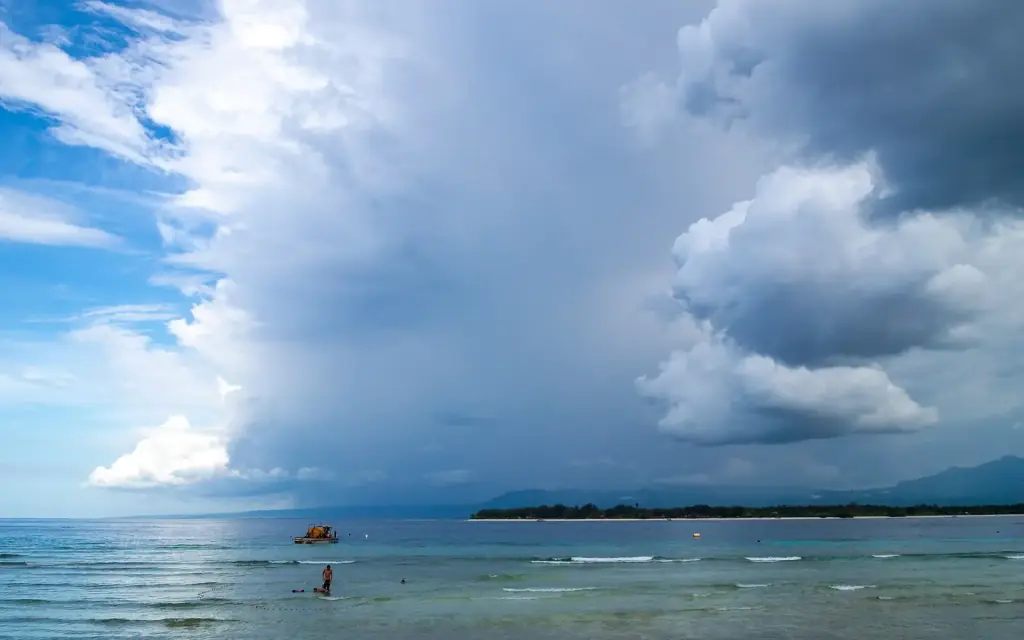 Photo: Vyacheslav Argenberg / Wikimedia Commons (CC BY 4.0)
Updated: August 2026
- Marine life is often more prolific, with manta rays congregating at popular cleaning stations.
- The islands of Komodo National Park transform from arid savannah to a lush, emerald paradise.
- Travelers benefit from lower flight and accommodation costs, offering exceptional value.
The air, thick and warm, carries the scent of petrichor—the earthy perfume of rain on dry earth. A sudden, percussive shower drums against the thatched roof of your bungalow for a brief twenty minutes, a welcome respite from the tropical heat. As quickly as it began, it ceases. Sunlight splinters through the dramatic, moisture-laden clouds, illuminating an impossible, vibrant green. This is not the parched, golden landscape of Komodo’s high season. This is the archipelago’s secret emerald season, a time when the islands feel reborn, and a visit to the serene shores of Kanawa Island reveals a completely different, more intimate character.
Demystifying the “Rainy Season”: What to Actually Expect
The term “rainy season” often conjures images of unyielding, week-long deluges that can wash out a holiday. In the context of Flores and the Komodo archipelago, this perception requires significant recalibration. The wet season, spanning from late November through March, is more accurately described as a monsoon season, characterized by a pattern of predictable, short-lived weather events rather than perpetual gray skies. According to meteorological data for the region, Labuan Bajo typically records an average of 150-200 millimeters of rainfall during its wettest months, January and February. However, this precipitation is often concentrated in intense, localized downpours that last for one to two hours, most frequently in the late afternoon or overnight. This rhythm leaves the majority of the day bright, sunny, and ripe for exploration. Temperatures remain consistently tropical, hovering between 26°C and 31°C, though the humidity, often exceeding 80%, is palpably higher. This humidity is the very engine of the region’s dramatic transformation. Locally, this period is often called the “green season” rather than the rainy season — a nod to how quickly the landscape turns lush and how much life the rain brings, in contrast to what first-time visitors in January tend to expect. The key is to plan your activities for the morning and early afternoon, leaving the later part of the day for relaxation, perhaps reading a book as a warm rain cools the air.
The Verdant Transformation: A Photographer’s Paradise
For anyone who has seen the Komodo islands in the arid peak of the dry season—a beautiful but stark landscape of sun-bleached grasses and dusty trails—the visual shock of the green season is profound. The monsoonal rains act as a catalyst, awakening the dormant terrain into a spectacle of lush, rolling hills. The savannahs of Rinca, Padar and the surrounding islands, including the gentle slopes visible from Kanawa Island, turn a deep, saturated green.This ephemeral beauty, lasting only a few months, offers a unique photographic opportunity. The contrast between the electric-green land, the turquoise-fringed reefs, and the deep sapphire of the sea is extraordinary. Dramatic cloud formations build throughout the day, providing a dynamic backdrop that is often absent in the clear, blue skies of the dry season. For photographers, a polarizing filter becomes an essential piece of kit to manage the glare off the water and deepen the saturation of the greens and blues. The soft, diffused light following a rain shower is perfect for portraiture and capturing the intricate details of the newly thriving flora. This is the time to capture the iconic panorama from Padar Island, not as a golden expanse, but as a vibrant, living ecosystem—a perspective that sets your travelogue apart from the thousands captured between June and August. It’s a powerful reminder that the destination’s identity is fluid, shaped by the cyclical rhythm of the seasons.
Underwater Serenity: Diving and Snorkeling Advantages
A common concern for visitors during the rainy season is the potential impact on marine activities. It’s a valid question: will the rain ruin the visibility for diving and snorkeling? The answer, as with most things in nature, is nuanced and, in many cases, surprisingly positive. While runoff from the islands can temporarily reduce visibility at some shallow, coastal sites, the premier offshore dive locations within Komodo National Park often remain crystal clear. In fact, some marine biologists argue that the slight increase in nutrients and plankton in the water column creates a more dynamic and active marine environment. This is most evident with the region’s majestic pelagic species. The green season is arguably the best time for encountering oceanic manta rays, which gather in larger numbers at cleaning stations like Karang Makassar (Manta Point) to feast on the plankton-rich currents. Water temperatures remain a balmy 28-29°C. Dive operators in the area report that the December-to-February period tends to bring fewer boats to sites like Batu Bolong and Castle Rock, since it falls outside peak season — ask your operator for current manta sighting reports rather than relying on a fixed number, as encounter frequency varies trip to trip. The relative quiet at these sites during this window is, for many divers, a real draw. Experiencing the vibrant coral gardens and teeming fish life without the presence of ten other dive boats is a privilege that seasoned travelers actively seek out. A day trip from Labuan Bajo to Kanawa’s pristine reef during this period offers a serene snorkeling experience, often with clearer water than one might expect.
Logistics: Travel and Accommodation Insights
The practical benefits of visiting during the November-to-March window are compelling. This period is the shoulder-to-low season for tourism in Flores, which translates directly into tangible value and a more relaxed travel experience. Airfares to Labuan Bajo’s Komodo Airport (LBJ) from major hubs like Bali (DPS) or Jakarta (CGK) can be 20-30% lower than their peak season counterparts. Airlines such as Garuda Indonesia and Batik Air frequently offer promotions, making the journey more accessible. This cost-saving extends to accommodations, from luxury phinisi liveaboards to boutique resorts. Not only are nightly rates more favorable, but availability is wide open. This provides the flexibility to book on shorter notice and the potential for complimentary room upgrades. However, there is one critical caveat: the sea. The monsoon winds can result in choppier seas, particularly in open channels like the Sape Strait. Therefore, it is absolutely imperative to book boat excursions and dive trips with highly reputable, well-established operators. Ensure their vessels are large, well-maintained, and helmed by experienced captains who understand the local weather patterns and prioritize safety above all else. According to the official Indonesia Travel portal, safety standards are paramount, and choosing a certified operator is the first step to a secure and enjoyable trip. This due diligence ensures your journey through the islands is not only magical but also safe.
Encounters with Wildlife: The Komodo Dragon and Beyond
The rainy season profoundly influences the behavior of the region’s most famous resident, the Komodo dragon (Varanus komodoensis). As ectothermic creatures, these giant lizards rely on external heat sources to regulate their body temperature. During the intense heat of the dry season, they are often lethargic, seeking shade during the hottest parts of the day. The cooler, overcast conditions of the green season change this dynamic entirely. The dragons are often more active for longer periods, roaming the verdant landscapes of Rinca and Komodo islands in search of prey. This can lead to more dynamic and impressive sightings for visitors. The UNESCO World Heritage site of Komodo National Park is not just about its dragons, and the wet season brings other fauna to the forefront. The rejuvenated vegetation supports a thriving population of Timor deer, wild boar, and water buffalo—the dragons’ primary food sources. For birdwatchers, it’s a particularly rewarding time. The abundance of insects and flowering plants attracts a greater diversity of bird species, including the critically endangered yellow-crested cockatoo and the orange-footed scrubfowl. The entire food chain is energized, offering a more holistic and vibrant wildlife experience. This makes any excursion into the park from Kanawa Island a richer, more immersive safari.
A Quick FAQ for the Discerning Traveler
Is it safe to travel by boat in the Komodo archipelago during the rainy season?
Yes, provided you choose a reputable operator with a proven safety record. Experienced captains constantly monitor weather forecasts and know which routes and anchorages are sheltered. They will adjust itineraries for safety and comfort, a hallmark of a professional crew. Always verify a company’s safety equipment and certifications before booking.
What specific items should I pack for a rainy season trip?
In addition to standard tropical wear, a high-quality, lightweight, and breathable rain jacket is essential. Pack several dry bags of various sizes to protect electronics, passports, and clothing inside your main luggage and daypack. Quick-dry clothing is far more practical than cotton. Finally, the humid conditions mean more mosquitoes, so a reliable insect repellent containing DEET or Picaridin is a must.
Will my planned activities, like hiking Padar Island, be cancelled due to rain?
Outright cancellations are rare. More common are short delays. A typical scenario involves waiting out an afternoon shower for 30-60 minutes before proceeding. The trails can be more slippery, so sturdy, closed-toe footwear with good grip is crucial. Your guide will make the final call based on safety, but the rain rarely halts an entire day’s plan.
To dismiss a visit to Komodo during the green season is to miss an essential part of its story. It is a time of renewal, of vibrant life, and of a quiet solitude that has become the ultimate luxury in modern travel. You trade the guarantee of cloudless skies for the drama of a living landscape, the press of crowds for the privilege of intimacy, and the golden savannah for an emerald isle. It is an experience that rewards the adaptable and curious traveler with a deeper, more profound connection to this extraordinary corner of the world. Embrace the rain, and you will discover a side of the archipelago that few ever see. If the green season appeals, plan around it deliberately: build in a spare day for weather, and take Kanawa Island‘s quieter beaches and saturated hillsides as the reward.
Rainy Season Questions We Hear Most
Can you still snorkel at Kanawa Island during the rainy season?
Yes. Snorkeling continues through the wet season; the brief afternoon showers described above rarely affect underwater visibility for more than an hour or two, and manta ray sightings are often just as good in this window. Guides check sea conditions each morning and adjust the exact snorkel spot rather than cancel the activity outright.
Is Kanawa Island accessible in the rainy season? Yes, the boat crossing and beach landing operate as normal through the wet season. The captain and harbourmaster still make the final call on any given day based on wind and swell, exactly as they do in dry season — rainfall itself is rarely the reason a crossing is delayed.
What are Kanawa Island’s rainy season months, and does the monsoon affect visibility?
The wet season runs from November through March, with the heaviest rainfall typically concentrated in December and January. The monsoon’s impact on visibility is mostly limited to the hour or two during and right after a downpour, when runoff can temporarily cloud the shallows closest to shore; the main house reef and offshore snorkel points are largely unaffected.
Plan Your Kanawa Island Visit
Practical Rainy-Season Questions About Kanawa Island
Can I visit during the rainy season, and how much does it affect the trip?
Yes, you can absolutely visit Kanawa Island during the rainy season. The “kanawa island rainy season” broadly follows the Flores pattern, from roughly November to March. You’ll usually see short, heavy showers—often late afternoon or at night—rather than continuous rain. Boats from Labuan Bajo generally still run, though very rough weather can delay or reschedule departures by a few hours or, occasionally, a day.
Does Kanawa Island have rainy season downsides I should be aware of before booking?
Kanawa does have a rainy season, and the main downsides are humidity, occasional squalls, and infrastructure strain. Power cuts, patchy water supply, and unreliable phone signal become more noticeable when storms pass through. Beach landings and boat transfers require more care, and some operators may adjust routes if wind and swell pick up. Build a buffer day into your itinerary and avoid tight same-day flight connections when possible.
How is water quality and clarity around Kanawa Island during rainy season compared to dry season?
Water quality and clarity around Kanawa Island during rainy season compared to dry season change subtly rather than dramatically. After a strong squall, you may see a few hours of reduced surface visibility from stirred-up sand, especially near the beach. Offshore along the reef drop-off, visibility often remains good, with clearer water returning quickly once the wind settles and tide changes flush the area.
What is Kanawa Island snorkeling visibility in March’s rainy transition period?
Kanawa Island snorkeling visibility in March rainy transition weeks is usually quite decent. You can expect the occasional milky patch after a storm, but many mornings are still clear enough to see coral and reef fish comfortably from the surface. Aim for early starts, when wind is lowest and boat traffic minimal, and stay over the slightly deeper edge of the house reef wall for the best clarity.
Are Kanawa Island hiking trail conditions in rainy season still manageable?
Kanawa Island hiking trail conditions in rainy season are walkable but more slippery. The main path to the viewpoint is short and exposed, with loose soil that turns slick after a shower. Wear shoes with grip rather than flip-flops, and time your walk for an hour or two after rain so the surface has started to dry. Start early morning or late afternoon to avoid the worst heat.
Is Kanawa Island a good place to learn to snorkel before visiting stronger current sites in Komodo National Park?
Yes, Kanawa is a gentle place to learn to snorkel before tackling stronger current sites. The shallow 1–3 m flat lets beginners stand or float near the beach, while the nearby wall provides more depth without needing a boat drop. Always check conditions with your guide; if you plan a wider Komodo circuit, experienced crews on one-day Komodo trips can help match sites to your comfort level.
What is the likelihood of encountering sandflies or mosquitos on Kanawa Island by season and time of day?
The likelihood of encountering sandflies or mosquitos on Kanawa Island is noticeably higher in the wetter months and around dusk. Sandflies tend to be worst on still, cloudy afternoons near the high-tide line. Mosquitos appear from late afternoon through evening, especially in sheltered, vegetated spots. Wear long, light clothing at sunset, use repellent, and avoid sitting directly on damp sand after rain.
What is the current entrance or conservation fee for visiting Kanawa Island, and who collects it?
As of 2026, Kanawa usually has its own island access or conservation contribution, collected by the operator managing your boat or day trip. It is an operator-set amount, not a government fee, and can change. This is separate from Komodo National Park PNBP charges, which generally do not apply on a Kanawa-only day. Confirm the current entrance or conservation fee for visiting Kanawa Island directly in your written quote.
What are the pros and cons of visiting Kanawa Island during shoulder seasons like April or October?
The pros and cons of visiting Kanawa Island during shoulder seasons like April or October are mostly about trade-offs between weather and crowds. April often retains some greenery with fewer showers; October can be dry but hotter and browner. Both months usually see fewer visitors than peak July–August. Sea conditions are often pleasant, but transitional weeks can still deliver surprise squalls, so keep your schedule flexible.
How do I practically arrange a rainy-season Kanawa visit from Labuan Bajo?
In rainy months, it’s worth using a licensed Labuan Bajo operator that can monitor forecasts and adjust departure times. Private and shared boats are usually quoted per boat or per person, depending on the trip type, with written itineraries outlining what’s included. For ideas that pair Kanawa with other islands, browse Komodo boat trip options and then ask for an updated rainy-season plan.
To turn this into a real itinerary, contact a Labuan Bajo–based crew that knows Kanawa well. Komodo Luxury can outline Kanawa-only days and wider park routes via WhatsApp at +62 811-3823-875 or email sales@komodoluxury.com, and their Kanawa Island overview and scheduled open-trip departures are a useful starting point.
Timing a Kanawa visit — more from the Journal
Keep reading
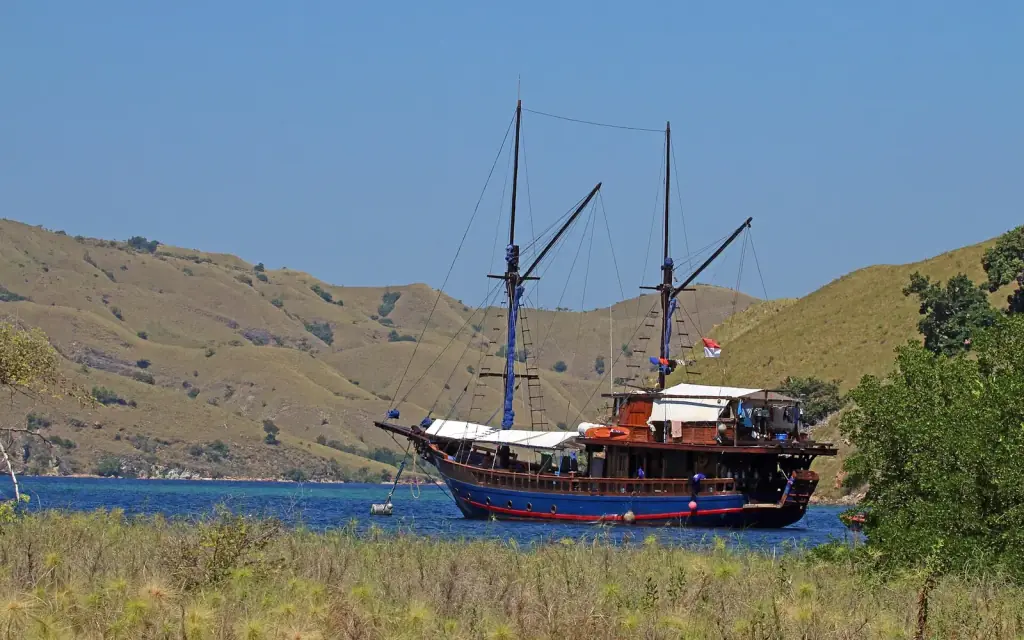
Avoiding Crowds on a Kanawa Day Charter from Labuan Bajo
Day-trip timing tactics: beat the shared fleet out of Labuan Bajo, run the circuit in reverse, and finish at a quiet Kanawa.
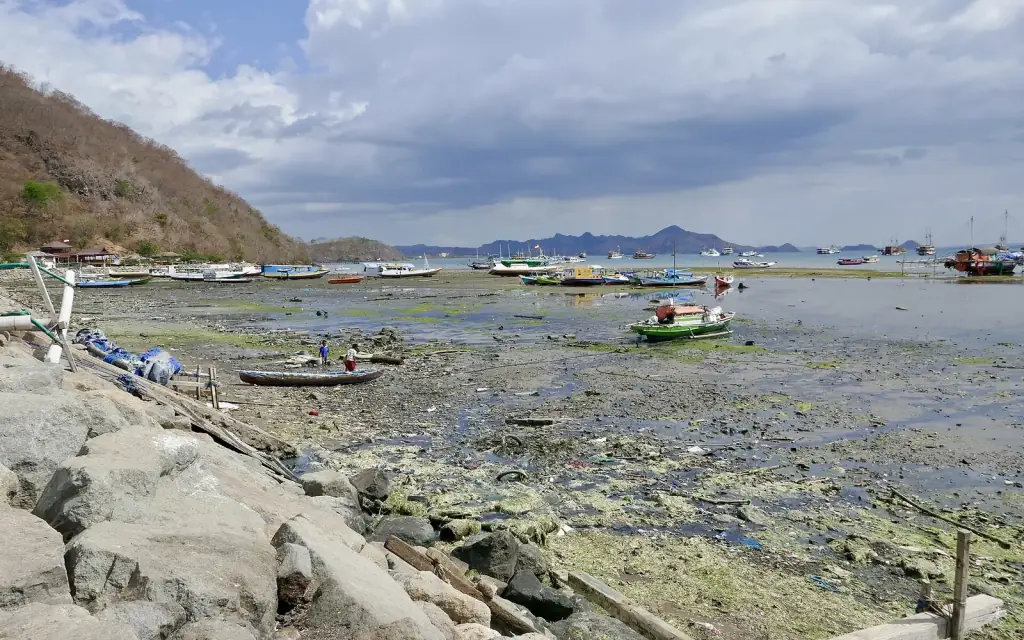
Is Kanawa Island Open in 2027? Resort Status Explained
Is Kanawa Island open in 2027? Yes for day trips — the resort is not operating as of 2026. Real status, access…
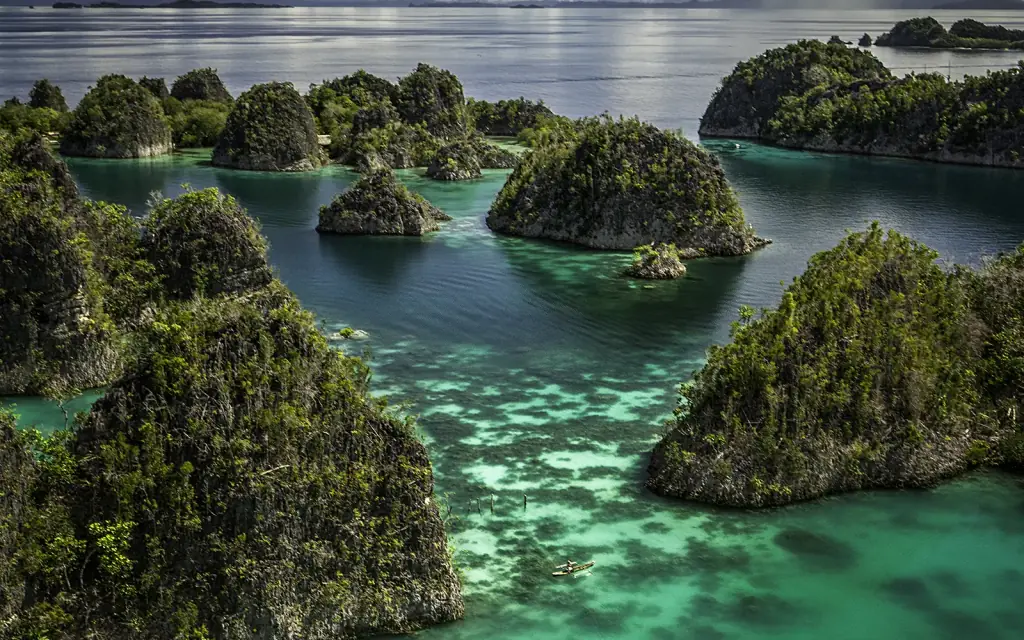
Kanawa Island to Raja Ampat: Your 2027 Luxury Marine Travel Checklist
Updated: August 2026 Planning a luxury marine expedition to Raja Ampat from Kanawa Island requires meticulous foresight, especially for 2027. Securing your…
Planning a day around Kanawa?
Komodo Luxury sits in Labuan Bajo and checks conditions the evening before and the morning of every departure. Send your dates and you get a written quote — fares, inclusions, and park fees stated separately.