
Stargazing at Kanawa Island: Night Sky & Camping
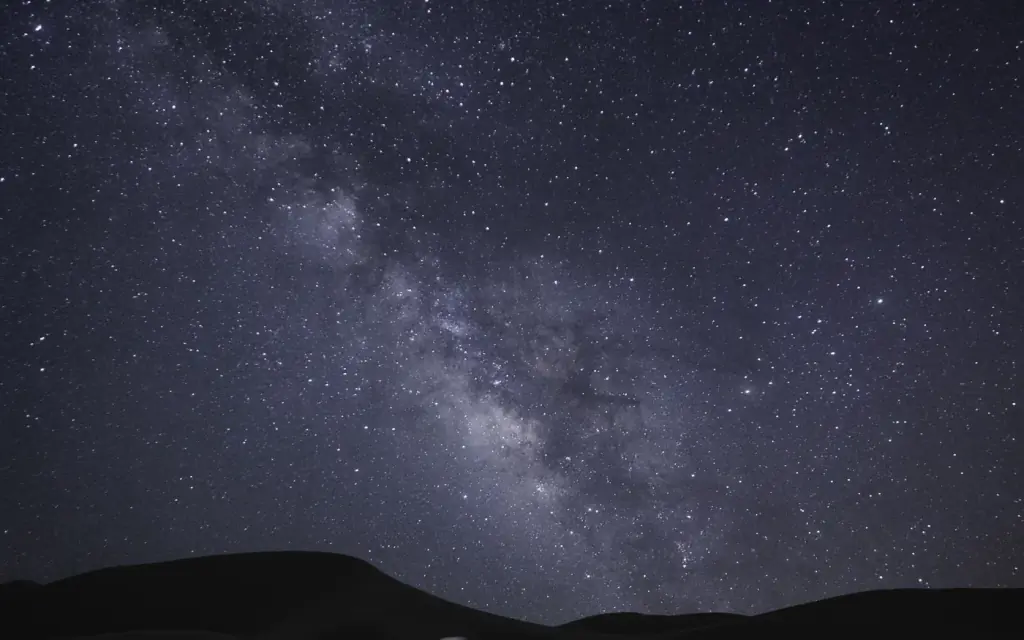 Photo: Ammar Yasir / Wikimedia Commons (CC BY 3.0)
Updated: August 2026
Kanawa Island has no town, no street lighting, and — as of 2026 — no confirmed operating resort, which sounds like a downside until after dark, when it becomes the reason the sky here is genuinely dark. On a clear night away from Labuan Bajo’s harbour lights, Kanawa gives you a dense, uninterrupted field of stars, and from roughly April through October the Milky Way’s galactic core is well positioned for evening viewing from this latitude. This page covers when to go for the best sky, what a supported overnight actually involves, and what to expect if you have never tried astro-tourism from a small tropical island before.
Why Is the Sky So Dark at Kanawa Island?
Light pollution is almost entirely a function of nearby artificial lighting, and Kanawa has very little of it. The island covers approximately 32 hectares of hill and beach, with no village, no shops, and no permanent settlement — any light at night comes at most from a generator-powered camp lamp or an occasional operating guesthouse, not a township. Labuan Bajo itself, about 11–15 km away, casts some glow toward the horizon on very clear nights, but it does not wash out the sky overhead the way a coastal town’s light dome would at closer range. Combined with generally low humidity and haze during the dry season, this makes Kanawa a meaningfully better stargazing spot than anywhere directly in Labuan Bajo town.
When Is the Best Time of Year for Stargazing at Kanawa?
Two separate factors matter here, and they do not perfectly overlap: dry-season weather (clear skies) and Milky Way season (when the galactic core is well positioned in the evening sky). At Kanawa’s latitude, roughly 8 degrees south, general astronomy guidance puts the Milky Way’s core in an evening-friendly position — visible soon after dusk and climbing high overhead — from around June through August, with the core still visible in the early evening through September and into early October before it starts setting earlier each night. From November through January, the galactic core is not visible at night at all; from February through March it only appears in the pre-dawn hours, which is a harder ask for a casual traveller than an after-dinner viewing window.
| Period | Milky Way core (evening sky) | Typical weather |
|---|---|---|
| June–August | Best: visible soon after dusk, high overhead by late evening | Dry season, generally clear, calmer seas |
| September–early October | Good: visible in early evening, setting progressively earlier | Late dry season, still generally clear |
| April–May | Marginal: core rises later at night, past a casual bedtime | Dry season transition, good weather |
| November–January | Not visible at night | Wet season, higher cloud and rain risk |
| February–March | Pre-dawn only, not evening-friendly | Wet season tail, variable |
Put simply: June, July, and August line up dry-season clarity with the best evening Milky Way positioning, making this the strongest window for a stargazing-focused overnight at Kanawa. September stays a reasonable second choice. Outside those months you can still get a genuinely dark, star-filled sky on a clear night — you just should not plan the trip specifically around the galactic core.
Does the Moon Phase Matter?
Yes, more than most first-time stargazers expect. A bright moon washes out all but the brightest stars and the Milky Way core almost entirely, regardless of how dark the site otherwise is. If seeing the Milky Way is the priority, plan around the new moon and the several nights either side of it rather than a full moon, when the beach and water are lit up beautifully but the sky overhead is comparatively flat. Check the moon phase for your specific travel dates before locking in a stargazing-focused overnight — a trip built around the wrong lunar week is the single most common reason first-time astro-tourists come away disappointed.
How Do You Actually Stay Overnight to See It?
Kanawa is primarily a day destination, so an overnight for stargazing needs arranging rather than booking on a fixed calendar. As covered on our overnight camping guide, a supported camp arranged through Komodo Luxury’s Labuan Bajo team is the most reliable route: speedboat transfer with your gear and crew, tents and bedding set up on arrival, meals and drinking water brought from the mainland, and crew staying with the group overnight for safety. The camp setup deliberately avoids generator lighting near the sleeping area once dinner is done, which is exactly what protects the dark sky you came for.
A bungalow stay, where currently available, is handled separately through the island’s accommodation desk rather than the camping process — but treat any land-based lodging as unconfirmed until checked directly, since Kanawa’s accommodation status changes without much public notice.
What Should You Bring for a Stargazing Overnight?
- A headlamp with a red-light mode, so you can move around camp without ruining your night vision or your neighbours’ view.
- A light jacket or long layer — sea breezes make a beach camp cooler after dark than daytime heat suggests.
- A phone or camera with a night mode, plus a small travel tripod if photography matters to you — long exposures on a boat-deck tripod without stabilisation rarely work well.
- A star-chart or night-sky app downloaded in advance, since there is no reliable data connection on the island itself.
- Reef-safe sunscreen and sun protection for the daytime half of the trip — see our reef-safe sunscreen guide before you pack.
Frequently Asked Questions
Can you camp overnight on Kanawa Island to see the stars?
Yes, through a supported camping arrangement with a Labuan Bajo operator that brings tents, bedding, food, and crew across from the mainland. Unsupported, independent overnight camping is not something to attempt given the lack of fresh water, communication backup, or an exit if weather turns.
What is the best month for Milky Way photography at Kanawa?
July is generally the strongest single month, combining dry-season clarity with the galactic core visible from soon after dusk through much of the night. June and August are close seconds.
Is there electricity or light pollution on Kanawa Island at night?
Minimal to none. There is no township or street lighting; at most, a camp lamp or an occasional operating guesthouse generator, both of which are far weaker light sources than any coastal town.
Do I need a telescope to see the Milky Way at Kanawa?
No. The Milky Way’s core and band are visible to the naked eye under genuinely dark skies during its evening season; a telescope helps with individual objects like planets or star clusters but is not necessary for the core stargazing experience most visitors want.
Is a Kanawa stargazing overnight suitable for beginners?
Yes, with realistic expectations about the setup: simple tents, no air conditioning or hot showers, and an early wake-up if you also want the morning house-reef snorkel. If rustic camping sounds appealing rather than off-putting, it is an accessible first astro-tourism experience.
Book a Kanawa Stargazing Overnight
Tell Komodo Luxury your target dates and whether Milky Way photography or simply a dark, quiet night matters more to your trip, and they will check the moon phase and current camping or bungalow availability before quoting anything. Message WhatsApp at +62 811-3810-8110 or email sales@komodoluxury.com. Komodo Luxury is part of Juara Holding Group, founded 2015.
Related reading: see the full overnight camping guide, check the best time of year to visit for weather beyond stargazing, or start at the Kanawa snorkeling guide for the daytime half of an overnight trip.
Last updated: 24 August 2026.
Plan Your Kanawa Island Visit
Practical Night-Sky Questions People Actually Ask
How bright is the artificial lighting at night on Kanawa Island and what impact does it have on stargazing?
On most visits, artificial lighting on Kanawa is limited to a few dim lamps around any occupied bungalows or the main kitchen area. Away from those, the beach and hilltop are genuinely dark, and the night sky at Kanawa Island stays intact. You can usually block remaining light by walking 50–100 m down the beach or simply stepping behind vegetation.
How much light pollution from Labuan Bajo is visible from Kanawa Island at night?
In very clear conditions you will see a faint orange or white dome on the western horizon where Labuan Bajo sits 11–15 km away. It usually stays low, affecting only a slice of the sky, not the zenith. For Milky Way viewing and photography, most people frame away from that direction and work with the darker eastern and southern sky.
Kanawa Island camping on the beach: is it allowed to pitch a tent on the sand?
Beach camping is not a guaranteed right here. Whether camping on the beach is allowed depends on who is managing the island when you visit and which operator brings you. Some periods they allow small guided groups with pre-arranged tents; at others, they discourage any independent camping. Always get explicit written confirmation from your boat operator before you arrive with gear.
Is camping allowed on Kanawa Island, and can you pitch your own tent?
Sometimes, and it turns on whoever is managing the island that month. Some operators arrange permission in advance and bring tents, mats and supplies with them. Turning up unannounced and pitching your own tent on the beach is often refused. The safe route is to ask the Labuan Bajo operator taking you out, and to get the camping rules and the permitted area confirmed in writing before you sail.
What are the typical Kanawa Island electricity hours at night, and how dark does it get?
Electricity comes from a generator, not a grid, so hours can vary with fuel, occupancy, and who is running the site. Sometimes it runs early evening only, sometimes longer; there is no fixed schedule you can rely on. Assume lights may go off by late evening and bring a good headlamp plus power bank for phones and cameras.
Is there any reliable way to confirm in advance if electricity will run all night or only a few hours on Kanawa?
The only reliable way to confirm in advance if electricity will run all night or only a few hours on Kanawa Island is to ask the operator handling your stay, in writing, just before your trip. Even then, treat it as “best effort” rather than guaranteed. Conditions, fuel availability, or a quiet night with few guests can change the plan without warning.
What is the risk of theft from unlocked beach bungalows or tents during a Kanawa overnight?
The island feels relaxed, but you should not treat it as theft-proof. Occasional reports mention items going missing from unlocked rooms in the wider Labuan Bajo area, and tents are obviously easier targets. On Kanawa, keep passports, electronics, and wallets in a small daypack you can keep beside you at night, and avoid leaving valuables on open verandas or unattended inside a thin tent.
Where is the best place on Kanawa Island to watch bioluminescent plankton if it is currently visible?
When bioluminescent plankton is active (it is not guaranteed), your best bet is the darker stretches of the main beach away from the resort’s few lights. Wade in up to your knees and gently swirl the water with your hands or feet. Avoid using torches near the surface, as bright white light ruins your eyes’ night adaptation and drowns out the subtle glow.
Can I combine a Kanawa stargazing night with a Komodo liveaboard or multi-day trip?
Yes, some travellers sleep on a boat and spend part of the night on Kanawa’s beach. Others weave Kanawa into a longer cruise alongside Padar, Komodo Island, and Manta Point. In that case, talk with operators offering flexible itineraries, such as customisable Komodo liveaboard cruises, and specify that you want dark-sky time around Kanawa built into one evening.
How do I arrange a boat that stays late enough for proper stargazing on Kanawa?
Standard day trips often head back to Labuan Bajo before full darkness, so for serious stargazing you need a charter or an overnight itinerary. When enquiring, ask explicitly for a return after 21:00 or a sleep-aboard option. Operators used to astro-focused guests, such as those running private Komodo routes, can usually tweak timing within broader Komodo boat trips if you raise it early.
Is it possible to visit Kanawa for sunset only, then continue to sleep on the boat instead of on the island?
Yes. Many visitors feel more comfortable with the boat as their “hotel” and Kanawa as a dark, quiet evening stop. A crewed charter can anchor nearby, put you ashore for sunset, dinner, and stars, then bring you back to your cabin when you are ready to sleep. This works well with tailored Komodo speedboat charters that can adjust timing around your night-sky plans.
To turn this into an actual trip, speak with a Labuan Bajo operator who understands Kanawa’s nights. You can message +62 811-3810-8110 or email sales@komodoluxury.com with your dates and whether you prefer camping, a simple bungalow, or a boat cabin. They can fold Kanawa into wider routes like the tailored private Komodo trips or the structured 3D2N Komodo tour packages, while keeping at least one night dark enough for proper stargazing.
Staying on Kanawa — more from the Journal
Keep reading
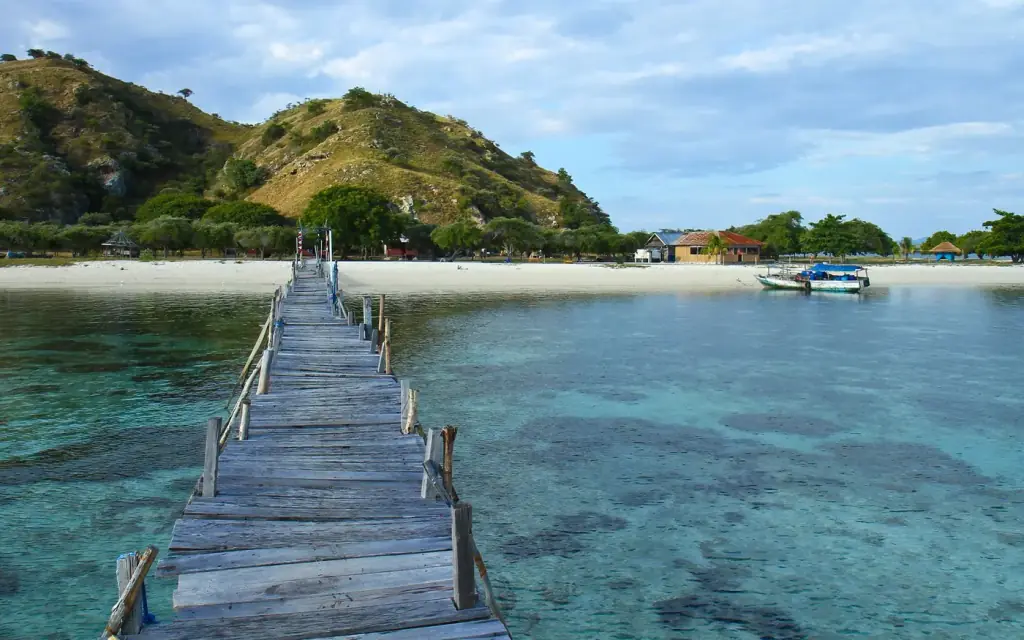
How Many Hours Do You Need on Kanawa Island?
Updated: August 2026 Most visitors need a minimum of 3 hours on Kanawa Island to snorkel the house reef properly and relax…
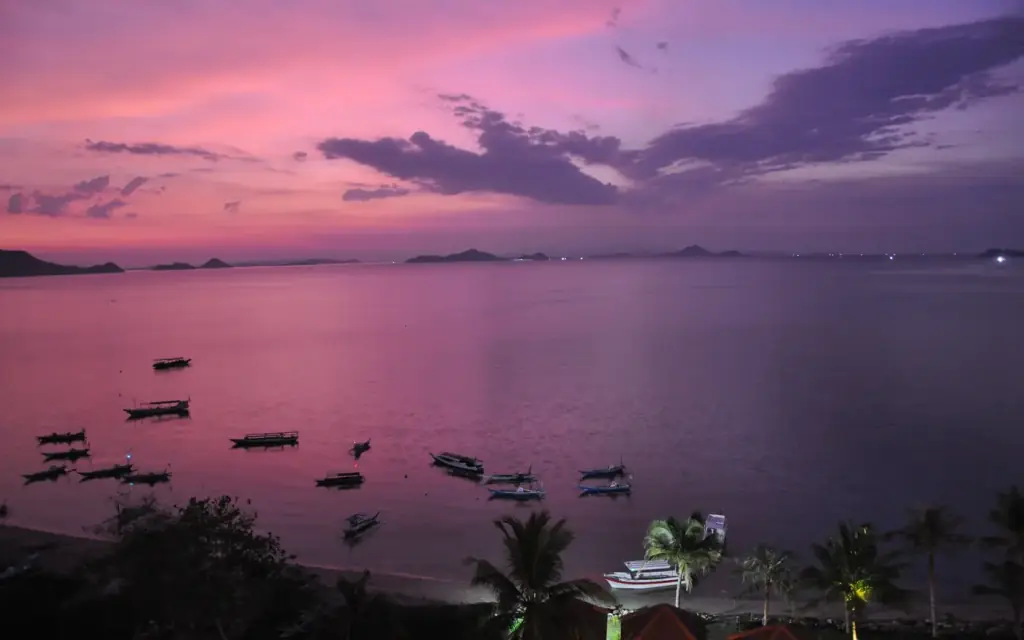
Sunrise or Sunset at Kanawa Island? Photographer Call
Updated: August 2026 Sunset wins for most photographers at Kanawa Island: the west-facing beach puts the sun going down directly over open…
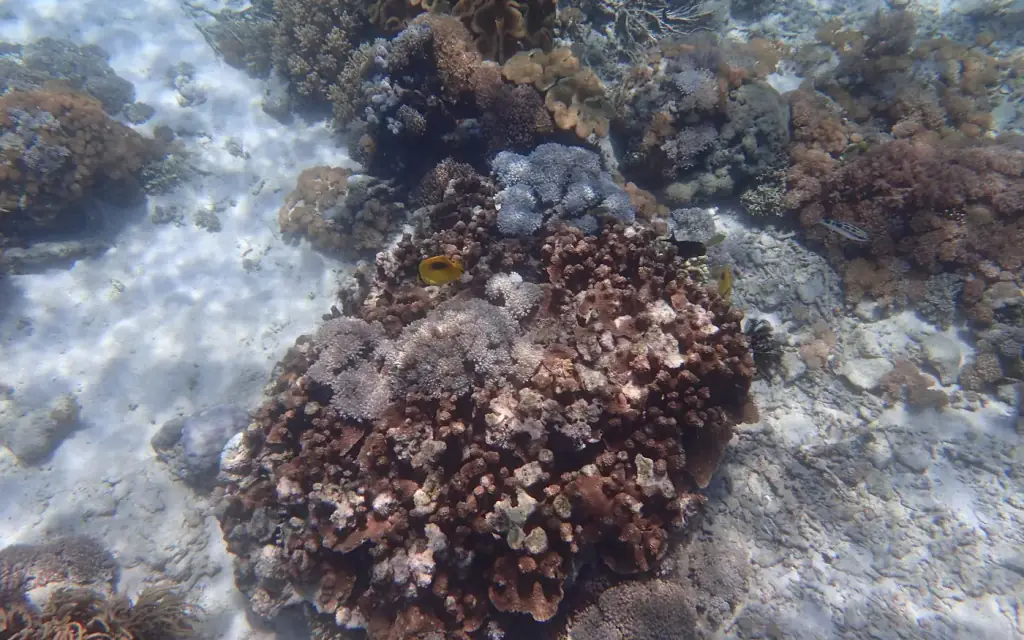
Kanawa Island Marine Life: Species You Actually See
Updated: August 2026 Kanawa Island’s house reef delivers classic Coral Triangle life within a short swim of the beach: reef-fish carpets of…
Planning a day around Kanawa?
Komodo Luxury sits in Labuan Bajo and checks conditions the evening before and the morning of every departure. Send your dates and you get a written quote — fares, inclusions, and park fees stated separately.