
Is a Trip to Kanawa Island Safe for Luxury Travelers?
Updated: August 2026
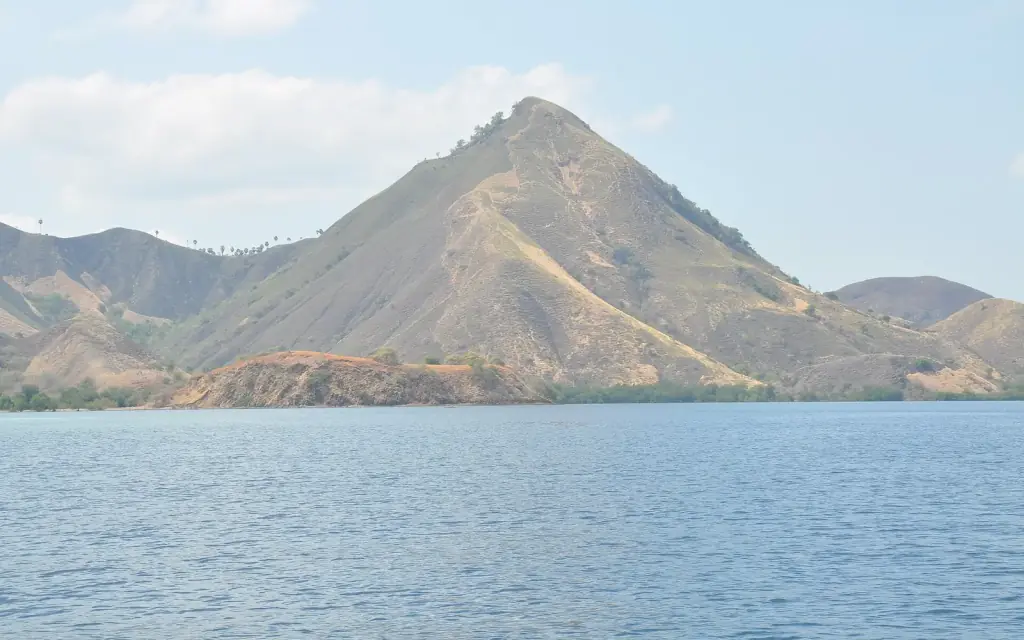
Yes, a trip to Kanawa Island is exceptionally safe for luxury travelers. This private island sanctuary just outside Komodo National Park’s boundary prioritizes guest security through a combination of controlled access, professional management, and a naturally shielded environment.
- Private Island Security: Access is restricted to guests, eliminating unsolicited vendors and ensuring a tranquil, monitored environment.
- Professional Operations: All transport, diving, and excursions are managed by vetted, licensed operators adhering to strict international safety standards.
- Natural Environment Safety: The island is free from Komodo dragons, and all marine activities are led by expert guides aware of local currents and conditions.
The air shifts the moment you step off the boat. The hum of the engine fades, replaced by the gentle lapping of turquoise water against impossibly white sand. Onshore, the scent of salt and dry earth mixes with the faint, sweet perfume of tropical flora. There are no crowds, no hawkers, just the expansive quiet of a private haven. This is the arrival experience at Kanawa Island, a feeling of immediate decompression. Yet for the discerning traveler, a question often precedes this tranquility: in a region famed for its wildness, is it truly safe? As a senior editor who has spent years world’s most remote luxury outposts, I can tell you that safety here is not a footnote; it is the foundational pillar upon which the entire exclusive experience is built.
Deconstructing “Safety” in the Komodo Archipelago
To understand the security of Kanawa, one must first understand the wider context of the Flores and Komodo National Park region. The gateway, Labuan Bajo, has undergone a meteoric transformation over the past decade. I first visited in 2012, when it was a dusty fishing village with a handful of guesthouses. Today, thanks to significant government investment and its designation as a “super-priority” tourism destination by Indonesia’s Ministry of Tourism, it boasts a modern international airport (LBJ) and infrastructure capable of hosting events like the 2023 ASEAN Summit. This top-down focus on premium tourism has had a profound effect on safety and standards. The crime rate in the Manggarai Barat Regency, where Labuan Bajo is located, is a fraction of that in more saturated destinations like southern Bali. The local economy is now so intertwined with high-end tourism that there is a collective, vested interest in maintaining a secure and welcoming atmosphere. This isn’t the chaotic, anything-goes environment of some Southeast Asian hubs; it’s a curated and increasingly polished experience, especially as you move from the mainland to the exclusive private islands that dot the park.
On-the-Ground Security: From Mainland to Private Shores
The journey itself is the first indicator of the operational safety standards. Getting out to Kanawa Island is not a matter of flagging down a random local boat. Transfers are arranged through the resort, utilizing modern vessels equipped with GPS, marine radios, and a full complement of safety gear. A proper crossing starts with a briefing at the harbour before the lines are cast off: life jackets located, radio and GPS confirmed working, and the route explained. If that does not happen, ask for it. This level of professionalism is the norm, not the exception, in the luxury sector here. The 60-minute journey across the calm, protected waters is less a transfer and more a scenic overture. Upon arrival, the island’s private status becomes its greatest security asset. The property is reported at roughly 23 to 32 hectares (sources vary). When the resort is operating, staff presence and controlled access have historically kept it quieter than a public beach — but the resort’s current operating status is unconfirmed as of August 2026, so confirm what staffing and access are actually in place before relying on this for security expectations. This curated environment means you can leave a book on your lounge chair and return hours later to find it untouched. It’s a level of passive security that allows for genuine relaxation, a stark contrast to the vigilance required in more populous destinations.
Natural Environment: Wildlife and Marine Conditions
A primary concern for many visitors to the region is the wildlife, particularly the eponymous Komodo dragon. It’s a crucial distinction to make that Kanawa Island itself has no native population of these giant lizards. It exists as a serene sanctuary just outside the greater Komodo National Park, a UNESCO World Heritage site since 1991. This means you get immediate, easy access to the park’s wonders without cohabitating with its apex predator. Any trips to see the dragons on Rinca or Komodo Island are structured, guided excursions where experienced rangers, armed with forked sticks and deep knowledge of the animals’ behavior, lead small groups. The safety protocols are rigorous and long-established. The other significant natural factor is the ocean itself. The currents that flow through the straits of the archipelago are legendary, creating the nutrient-rich waters that support such vibrant marine biodiversity. For the unprepared, they can be hazardous. This is why choosing a reputable operator like Kanawa Island is paramount. Every snorkeling or diving trip is led by PADI-certified divemasters who possess an almost intuitive understanding of the local tides and currents. They select sites based on the day’s specific conditions, ensuring a safe and spectacular experience, whether you’re drifting over the kaleidoscopic coral gardens just off Kanawa’s shore or seeking out manta rays at the famous Manta Point cleaning station, a journey of about 90 minutes by boat.
Health and Wellness: Medical Preparedness in a Remote Paradise
For any luxury traveler, especially those with families, the question of medical access in a remote location is non-negotiable. While Kanawa offers a sublime sense of isolation, it is not medically isolated. The island is equipped with comprehensive first-aid supplies and staff trained to handle common issues, from coral scrapes to dehydration. For more serious concerns, the proximity to Labuan Bajo is a critical asset. The town is home to the modern, Siloam Hospital, located a short drive from the main jetty, with an emergency room, specialist consultations and diagnostic capabilities. In the unlikely event of a severe medical emergency, medical evacuation services can be coordinated from this facility. Beyond emergencies, day-to-day wellness is a priority. I was particularly impressed by the diligence regarding food and water safety. All drinking water is purified, and the kitchen’s hygiene standards are impeccable. The culinary team sources fresh produce and seafood from a network of trusted local suppliers in Labuan Bajo, minimizing risks associated with supply chains in less-developed areas. This meticulous attention to health and hygiene is a hallmark of a true luxury operation and provides essential peace of mind.
The Human Element: The Safety of Local Interaction
The final, and perhaps most important, layer of safety comes from the people themselves. The Manggarai people of western Flores are known for their gentle demeanor and warm hospitality. On an island like Kanawa, where the staff are not transient workers but often members of local communities, there is a palpable sense of ownership and pride. On islands like Kanawa, staff are typically drawn from local Flores communities rather than being transient outside hires, which is often true of this part of Komodo more broadly. For many, hospitality work here is a career that supports their families and community, not just a seasonal job. This deep-rooted connection fosters an environment of profound respect and security for guests. The interactions are genuine, the smiles are unforced, and there is a shared understanding that the continued success of this pristine paradise depends on the positive experiences of its visitors. This is the opposite of the transactional and sometimes fraught atmosphere one can encounter in over-touristed areas. Here, safety is fostered through mutual respect and a sustainable economic model that benefits everyone, creating an invisible but powerful shield of goodwill around every guest.
Quick FAQ: Your Pressing Safety Questions Answered
Is solo female travel safe on Kanawa Island?
Absolutely. The controlled, private nature of the island, combined with the professional and respectful staff, makes it an ideal and exceptionally secure destination for solo female travelers seeking tranquility and adventure. The community atmosphere among guests and staff further enhances this sense of security.
What about petty crime like theft?
On Kanawa Island itself, the risk of petty crime is virtually zero. With access limited to registered guests and staff, the environment is secure. As with any travel, it is wise to exercise standard precautions with valuables in the busier public areas of Labuan Bajo, such as the airport and markets, but on the island, you can relax completely.
Are there specific health risks or vaccinations I need to worry about?
We always recommend consulting with a travel doctor at least 4-6 weeks before your departure for personalized advice. However, for this specific region of Indonesia, there are no prevalent outbreaks of concern. Standard vaccinations for Southeast Asia are typically sufficient. Malaria is not a high risk in this coastal area, but mosquito repellent is always a good idea, especially at dusk.
How reliable is the boat transport to and from the island?
The boat transport utilized for day trips from Labuan Bajo and guest transfers is highly reliable. Operators serving the luxury market adhere to strict maritime safety regulations, using modern boats with well-maintained engines, life-saving equipment, and experienced, licensed crews. Weather is monitored closely, and crossings are only made in safe conditions.
The allure of a place like Kanawa Island lies in its perfect paradox: it feels a world away from everything, yet it is underpinned by a modern, robust safety infrastructure. The wildness of the Komodo region is not a threat to be managed, but a wonder to be experienced from a secure and comfortable base. The meticulous planning, professional staff, and the very nature of this private island retreat transform the question from “Is a trip to Kanawa Island safe?” to “How can it be anything but?” The tranquility you see in the photographs is not an illusion; it is a reality earned through a deep and unwavering commitment to guest security and well-being. The ultimate luxury, after all, is peace of mind. To truly understand this serene reality, you must experience it firsthand. See what a well-planned day on Kanawa Island looks like, then set your date.
Plan Your Kanawa Island Visit
Practical Safety & Comfort Questions from Kanawa Island Guests
Is Kanawa Island safe for first-time travelers who haven’t been to Indonesia before?
Yes, Kanawa Island is generally safe for first-time travelers, including those new to Indonesia. The journey from Labuan Bajo is straightforward when arranged through a reputable operator, and the island itself is quiet, with controlled access and very few people around. The main “risks” are practical: strong sun, uneven sandy paths, and limited medical facilities. Travel with proper insurance, carry your own basic first-aid kit, and stick to organized boat transfers rather than improvising transport at the beach.
Is Kanawa Island accessible for elderly travelers or those with limited mobility?
Kanawa is flat, but not especially adapted. Boat landings are via tender or a wet landing directly onto the beach, followed by walking on sand and simple paths. There are no paved walkways, ramps, or railings, and steps into older bungalows can be high. For elderly travelers, or anyone asking “is Kanawa Island accessible for older travelers or those with limited mobility?”, the honest answer is: only if they can manage uneven ground and a few steps with assistance. Consider a private boat so you can board slowly and avoid crowds.
Kanawa Island: what to wear for conservative travelers who want to feel comfortable and respectful?
On the island itself, swimwear is standard on the beach and for snorkeling. For conservative travelers, a long-sleeved UV rash guard over modest swim bottoms works well and protects from sun and jellyfish stings. When passing through Labuan Bajo or local villages, cover shoulders and knees with a light shirt and loose trousers or a long skirt. Bring a sarong for quick cover-ups when coming ashore or when walking near staff housing areas.
Are there any homestays or local guesthouses near Kanawa Island?
There are no traditional homestays or local guesthouses on Kanawa Island itself; it is a separate, privately managed island. The nearest community-based stays are back on Flores around Labuan Bajo and nearby villages. If you want a mix of Kanawa day visits and local accommodation, base yourself in Labuan Bajo and arrange a day trip. For overnight stays actually on Kanawa, you must confirm the current status of the legacy resort bungalows with an operator before committing to flights.
Is petty theft or crime a concern on Kanawa Island, and what are the latest real-world reports of theft or security incidents?
Kanawa sees very little foot traffic compared with public beaches, and there are no crowds of unknown visitors wandering through. I am not aware of any recent, documented pattern of theft on the island itself, but that doesn’t mean it’s impossible. Treat it as you would a small dive boat: keep valuables minimal, use a dry bag, and don’t leave phones or cameras unattended on the beach while you snorkel. Most issues in the region arise on busy mainland streets, not remote islets.
What are Kanawa Island’s GPS coordinates and how do I actually get there from Labuan Bajo?
Kanawa Island sits at approximately -8.494719, 119.759167 in West Manggarai, East Nusa Tenggara, roughly 11–15 km from Labuan Bajo harbour. From town, boats depart from the main marina area. Speedboats usually take about 20–35 minutes; slower wooden boats take around 45–75 minutes. You cannot simply “grab” a random fishing boat and expect drop-off at the correct jetty; arrange your transfer in advance through a licensed Labuan Bajo operator or as part of a wider itinerary.
How can I check Kanawa Island snorkeling conditions today before planning a day trip?
There is no live webcam or official daily bulletin for “Kanawa Island snorkeling conditions today.” Visibility and currents are strongly influenced by tide and wind. Before you go, ask your boat operator for that morning’s sea-state and tide information; they usually have current local knowledge. On arrival, staff or guides can advise which side of the house reef is calmest. As a rule: avoid snorkeling alone, use a surface marker buoy if drifting, and keep an eye on wind strength through the day.
Is Kanawa Island recommended for elderly travelers, yes or no, if we want a relaxed but safe experience?
If “elderly” means reasonably mobile, able to step in and out of boats with a hand for balance, and comfortable walking on soft sand, then yes, Kanawa can be a gentle, quiet outing. If there are serious mobility limitations, heart conditions, or a strong reliance on medical facilities, I would lean toward no. The lack of guaranteed power, uncertain resort operations, and distance from a clinic make it better as a cautiously planned, short day trip rather than an impulsive overnight for older guests.
Do vendors or hawkers operate on Kanawa Island selling snacks or souvenirs?
Under normal circumstances, you won’t encounter the souvenir or snack hawkers that cluster on some Indonesian beaches. Kanawa’s private status and distance from villages mean there are usually no roaming vendors or hawkers operating on the sand. Any food or drinks come from the on-island facility, which may or may not be fully functioning at the time of your visit. Always bring sufficient drinking water and a few snacks from Labuan Bajo in case the kitchen is closed or limited.
Which type of boat or charter is best if I want a safe, comfortable visit to Kanawa as part of a wider Komodo trip?
For a comfortable, controlled experience, many visitors incorporate Kanawa as one gentle stop on a wider Komodo cruise rather than as a standalone outing. Modern vessels with good shade, safety gear, and experienced crews make a major difference. If you want something more private than a shared tour but still streamlined, consider arranging Kanawa as a stop on one of the VIP boat charters that already operate in the area.
How can I include Kanawa while chartering a yacht or phinisi in Komodo National Park?
Kanawa sits just outside the park boundary, so many private itineraries use it as a first or last stop for relaxed snorkeling. When you request a quote, specify that you’d like an easy-access reef and a quieter beach day. Operators can usually weave Kanawa into a circuit that also visits Padar, Rinca, and Manta Point. Private itineraries on Komodo yacht charters are priced per boat per day, with exact costs provided only in a written proposal.
To turn all of this into a concrete itinerary, contact a licensed Labuan Bajo operator with Kanawa experience. For tailored plans that combine Kanawa with classic Komodo highlights, reach out via WhatsApp +62 811-3823-875 or email sales@komodoluxury.com and ask about including Kanawa on their luxury phinisi charters in Komodo or selected catamaran charters in Komodo.
More Kanawa Island reading from the Journal
Keep reading
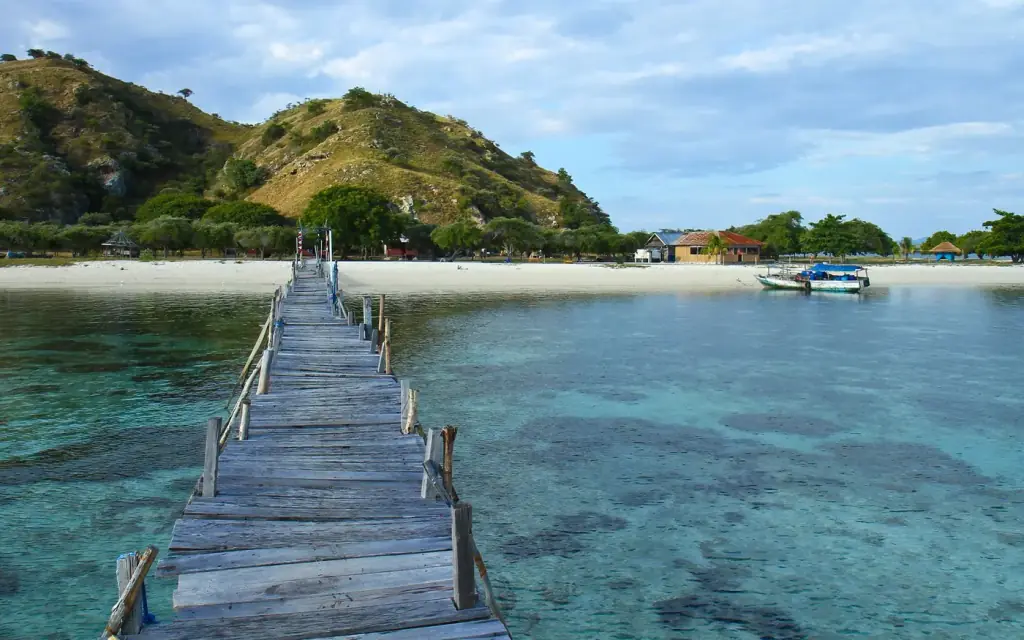
How Many Hours Do You Need on Kanawa Island?
Updated: August 2026 Most visitors need a minimum of 3 hours on Kanawa Island to snorkel the house reef properly and relax…
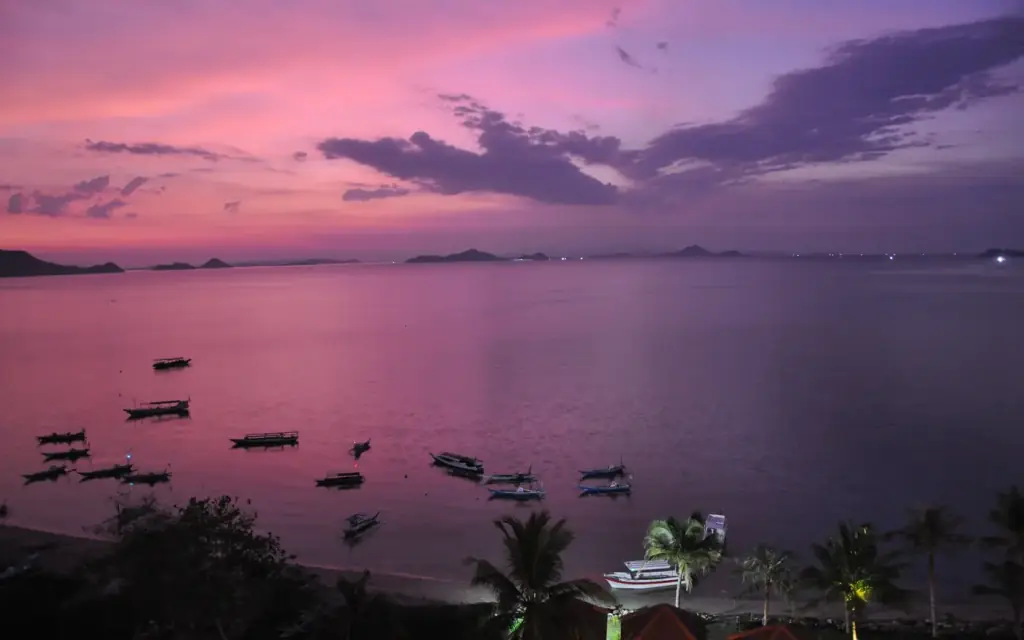
Sunrise or Sunset at Kanawa Island? Photographer Call
Updated: August 2026 Sunset wins for most photographers at Kanawa Island: the west-facing beach puts the sun going down directly over open…
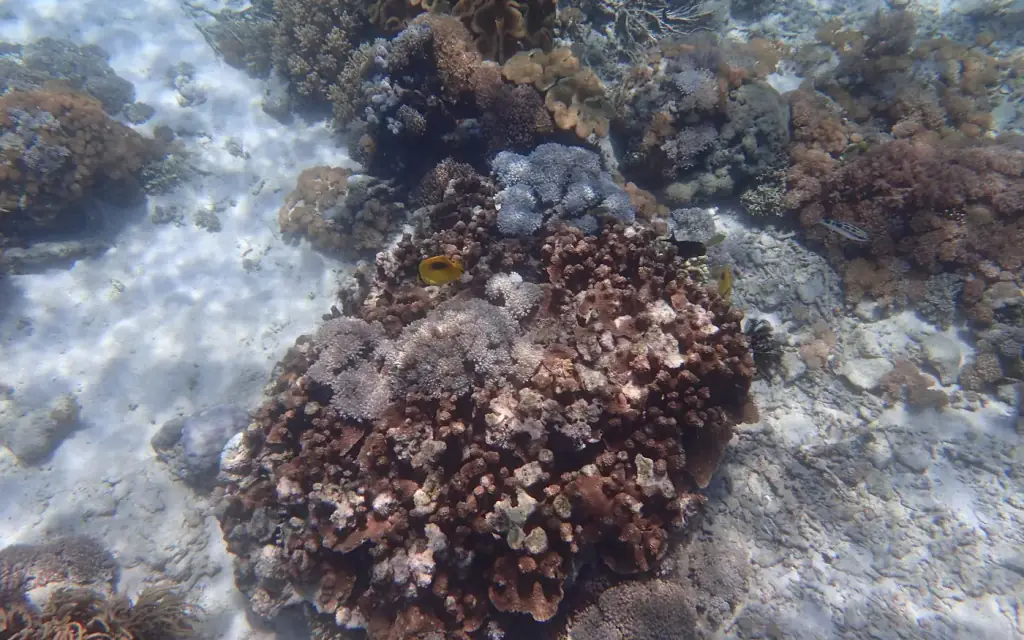
Kanawa Island Marine Life: Species You Actually See
Updated: August 2026 Kanawa Island’s house reef delivers classic Coral Triangle life within a short swim of the beach: reef-fish carpets of…
Planning a day around Kanawa?
Komodo Luxury sits in Labuan Bajo and checks conditions the evening before and the morning of every departure. Send your dates and you get a written quote — fares, inclusions, and park fees stated separately.