
Best time to visit Kanawa Island & Komodo for snorkeling
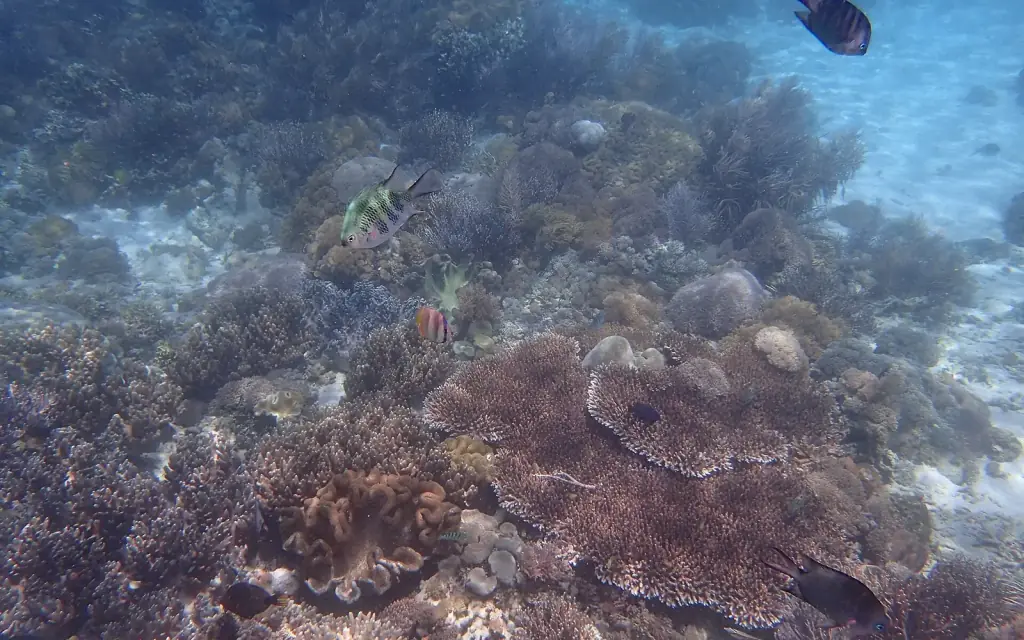 Photo: Hotel Kaesong / Wikimedia Commons (CC BY-SA 2.0)
Updated: August 2026
Kanawa Island, just outside the boundary of Komodo National Park and a short boat ride from Labuan Bajo, is a premier destination for snorkeling enthusiasts. The best time to visit Kanawa Island for snorkeling is the dry season, April to October, when the waters are clear, vibrant marine life is easiest to spot, and sea conditions are most favourable for exploration. November is a transition month: often still good in the first half, less dependable once the west monsoon starts to build.
Understanding Kanawa Island’s Climate: Dry Season vs. Rainy Season
Kanawa Island runs on a two-monsoon calendar: a dry season from April to October and a wet season from December to March, with November acting as the changeover month between them. Understanding these two periods is crucial for planning your snorkeling adventures.
- Dry Season (April – October): This is the ideal time to visit Kanawa Island, with air temperatures inside the island’s year-round 26°C to 33°C band (79°F to 91°F). During this season the sea is generally calm and underwater visibility commonly runs 20–25 metres (about 65–80 feet). Expect warm, sunny days with minimal rainfall. The dry season is also when marine life is most active, making it the best time for snorkeling and diving.
- Rainy Season (December–March): This period brings more cloud cover and the potential for heavy rainfall. Temperatures remain similar, but the increased precipitation can lead to rougher sea conditions. Visibility can diminish to around 10-15 meters (33-49 feet), making snorkeling less enjoyable. For those hoping to explore the underwater world, this season is best avoided.
The Best Months for Snorkeling in Komodo National Park
While the dry season runs from April to October, certain months stand out as the absolute best for snorkeling in Komodo National Park.
- June to September: These months are often touted as the peak season for snorkeling due to optimal water temperatures and stunning visibility. The marine life, including vibrant coral reefs and schools of tropical fish, is abundant. June and July provide a great balance of warm weather and calm seas, making it perfect for family trips.
- October and November: As the dry season begins to transition into the early rainy season, these months still offer excellent visibility and warm sea temperatures. You’ll encounter fewer tourists, and thus, greater tranquility while snorkeling.
In contrast, December can be unpredictable, with the onset of rains, making conditions less favorable for snorkeling. The water can be choppy, and visibility may decrease significantly.
Manta Season in Komodo National Park
If you’re keen on encountering manta rays, the months of November to March are particularly magical. During this time, these majestic creatures gather in the waters around Komodo for feeding and mating.
The best places to spot mantas include Manta Point and Karang Makassar. Snorkelling with mantas is the highlight of the region, but the sea is less predictable in the wet season and the crossing to the manta sites is the first thing a captain cancels. For families seeking calm waters, it might be more prudent to visit between April and October, when the sea is generally more stable.
Labuan Bajo Weather by Month for Boats
Labuan Bajo serves as the gateway to Komodo National Park, and understanding its monthly weather patterns is essential for planning boat trips.
| Month | Average air temperature (°C) | Rainfall (mm) | Sea Conditions |
|---|---|---|---|
| January | 27 – 32 | 250 | Rough |
| February | 27 – 32 | 220 | Rough |
| March | 27 – 32 | 200 | Moderate |
| April | 27 – 32 | 80 | Calm |
| May | 27 – 32 | 20 | Calm |
| June | 26 – 31 | 10 | Calm |
| July | 26 – 31 | 5 | Calm |
| August | 26 – 31 | 10 | Calm |
| September | 26 – 31 | 20 | Calm |
| October | 27 – 32 | 50 | Moderate |
| November | 27 – 32 | 100 | Moderate |
| December | 27 – 32 | 200 | Rough |
From April to October, you can expect calmer and more favourable conditions for boat trips from Labuan Bajo to Kanawa Island and other snorkeling hotspots.
When Is the Komodo Sea Flattest for Families?
Families travelling with children are best served by the dry season, April to October. The flattest water of the year falls in the two transition windows — April–May and September–October — and those weeks also bring pleasant weather, which makes the snorkelling far easier with children in the group.
In particular, July and August tend to have the best conditions for family trips, as both visibility and sea state are usually excellent. The crossing from Labuan Bajo runs about 20 to 35 minutes by speedboat and 45 to 75 minutes by wooden boat, so the calmness of the sea plays a significant role in ensuring a smooth journey.
Best Visibility for Snorkeling in Komodo
Visibility is a major factor for an enjoyable snorkeling experience, and in Komodo National Park, you can experience varying visibility based on the season.
As noted above, visibility holds steady right across the April–October dry season, commonly running 20–25 metres rather than peaking in any one month. That consistency is what lets snorkelers plan on vibrant coral reefs and dense marine life being clearly visible.
However, as the rainy season approaches, visibility can diminish to as little as 10-15 meters, particularly during heavy rains. If underwater visibility is the priority, aim for the middle to late dry season, when run-off has stopped feeding sediment into the water.
Avoiding Rainy Season Boat Trips
If you’re planning a trip to Komodo National Park for snorkeling, it’s important to avoid the rainy season, particularly from January to March. During this time, boat trips can often be canceled due to rough sea conditions, and visibility underwater can drop dramatically.
Traveling in the dry season not only ensures you have the best conditions for snorkeling but also avoids the disappointment of canceled trips. Aim for bookings in advance during the peak months to ensure availability, as this area can get busy, particularly in July and August.
Frequently Asked Questions
- What is the best time for families to visit Kanawa Island for snorkeling?
The best time for families is from May to September, when sea conditions are calm and visibility is at its best. - What are the average costs for snorkeling trips to Kanawa Island?
Pricing varies by operator, boat type, and inclusions — see our Komodo tour pricing guide for indicative ranges and request a current quote. - How deep can I snorkel around Kanawa Island?
Most snorkelling around Kanawa happens over the 1–3 m shallow flat and the 2–8 m reef crest, with the drop-off beyond running 5–18 m — so newcomers and families never have to leave the shallow end.
, planning your visit to Kanawa Island and the Komodo National Park with an understanding of the seasonal patterns will enhance your snorkeling experience immensely. Pick the month well and you get the three things that actually matter here: clear water, active reef, and a crossing calm enough to enjoy. Start planning your dream snorkeling adventure today!
Explore more from Kanawa Island
- Kanawa Island — home
- 3-Day Kanawa Island Itinerary
- Best Time for Kanawa Island
- Kanawa Island vs Alternatives Comparison
- Kanawa Island guide 2026 – snorkeling, prices, how to go
- How to get to Kanawa Island from Labuan Bajo & beyond
Plan with Komodo Luxury on WhatsApp →
Plan Your Kanawa Island Visit
Kanawa snorkel timing, conditions and trip-planning questions
What is the best time of year to visit Kanawa Island for weather and visibility?
For predictable weather and clear water, aim for April to October. This is Kanawa’s long dry season, when seas are calmer and skies are usually clear. You can expect warm days with little rain, and snorkeling visibility along the house reef commonly runs 20–25 m. November is a transitional month, and December–March can still have good days, but rainfall, wind and short-notice boat cancellations become more common, so flexibility matters.
What visibility can you usually expect when snorkeling at Kanawa Island?
On a typical dry-season day, visibility around Kanawa’s house reef is often in the 20–25 m range, especially on the drop-off that starts about 30 m from the beach. Closer to shore, over the 1–3 m shallow flat, expect slightly reduced clarity from sand and novice fin-kicks. After heavy rain or strong wind, visibility can quickly drop toward 10–15 m and stay murky for a day or two, especially on big tidal swings.
What are the Kanawa Island average temperature and rainfall patterns like through the year?
Air temperatures around Kanawa sit in a fairly narrow band year-round, usually somewhere in the high 20s to low 30s °C during the day. From April to around November, rainfall is generally low and often absent for weeks at a time. January–March brings the bulk of the rain, with some heavy downpours, short squalls and cloudier days. Humidity rises in the wet months, so the heat feels heavier even though the thermometer hardly changes.
Is Kanawa Island in December still worth it for snorkeling?
Kanawa Island in December is a shoulder period: you may get several calm, bright days in a row, but also sudden squalls and choppy crossings from Labuan Bajo. Visibility can be very good after a dry spell, then drop quickly after storms. If you come in December, avoid tight same-day flight connections, watch wind forecasts, and be ready to swap days around. For more flexible routing around the park, consider a private option via Komodo Luxury’s speedboat charters.
How suitable is Kanawa Island for families and beginner snorkelers?
Kanawa Island for families works well when seas are calm, especially June–September. The shallow 1–3 m sandy and coral flat just off the main beach lets children and beginners practice with a mask before drifting toward the reef edge. There are no lifeguards, so bring your own life vests for kids and stay within arm’s reach. Shade is limited; hats, rash guards, and plenty of water are essential, as facilities and supplies on the island are basic and not guaranteed.
Kanawa Island vs Komodo Island – which feels more authentic and how do they differ as snorkel bases?
Kanawa feels like a small off-grid outpost: just 32 hectares, minimal infrastructure, a house reef you enter from the beach, and very little evening activity. Komodo Island itself is a park village with dragons, rangers and boat traffic; you don’t really snorkel from the village, but from sites reached by boat. For a snorkeling-focused day, many people pair Kanawa’s reef with additional stops inside the park arranged through Komodo snorkeling activities, then sleep back in Labuan Bajo.
To turn all of this into an actual itinerary, ask for a written quote that matches your dates, group size and comfort level. You can reach Komodo Luxury on WhatsApp at +62 811-3823-875 or by email at sales@komodoluxury.com, and browse sample routes on their Komodo boat trips and Komodo one-day trip packages pages.
Snorkelling at Kanawa — more from the Journal
Keep reading
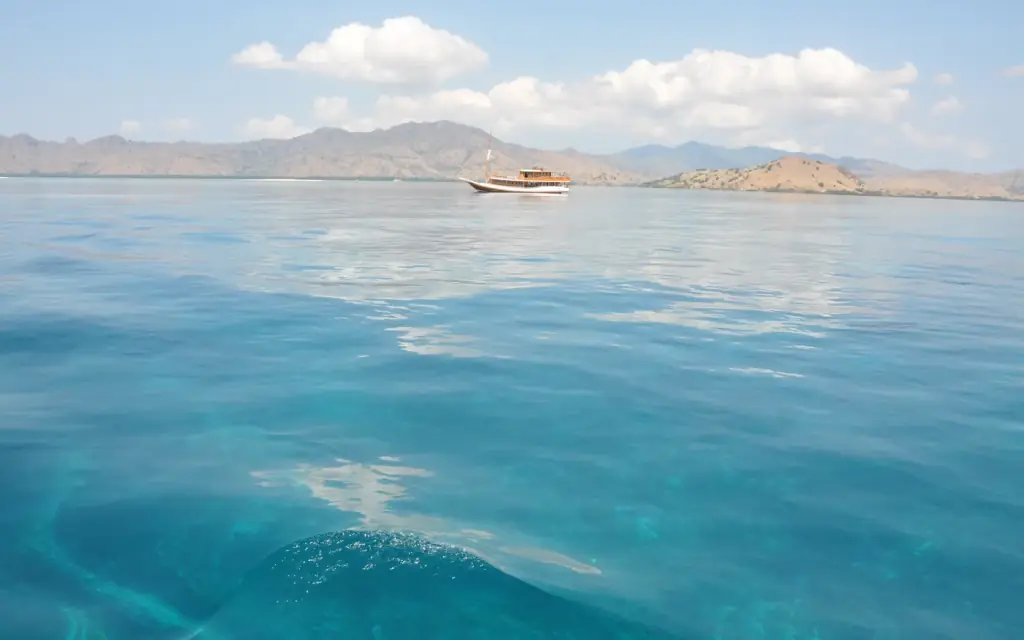
Kanawa Island Snorkeling Safety & Reef Etiquette
Updated: August 2026 Kanawa Island is one of the safer places to snorkel near Labuan Bajo, but “beginner-friendly” is not the same…
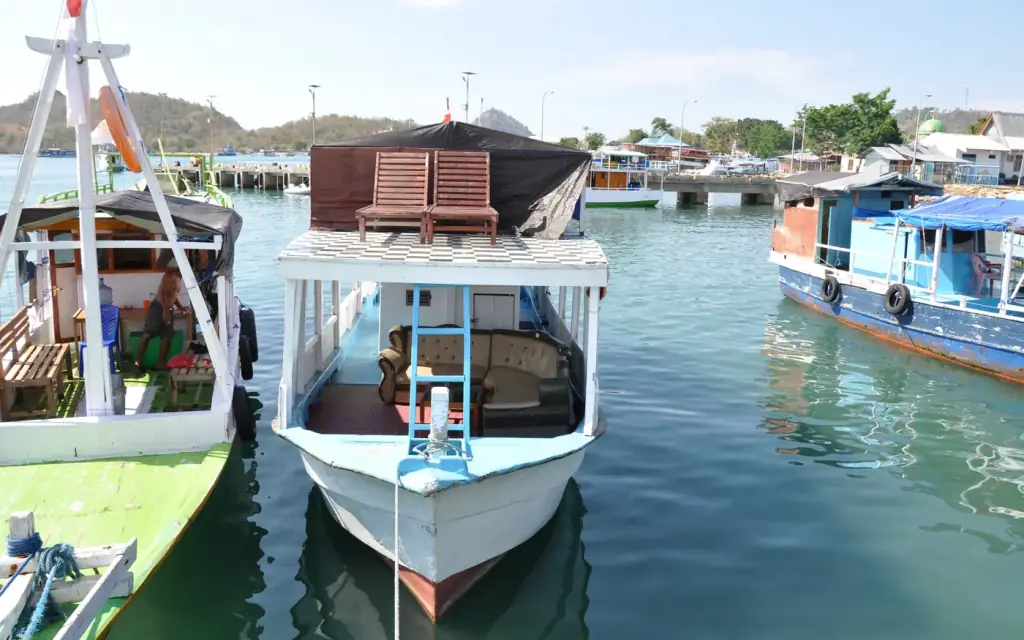
Travel Insurance & Health Prep for Kanawa Island
Updated: August 2026 Kanawa Island itself has no medical post, clinic or pharmacy — the nearest real medical facilities are in Labuan…
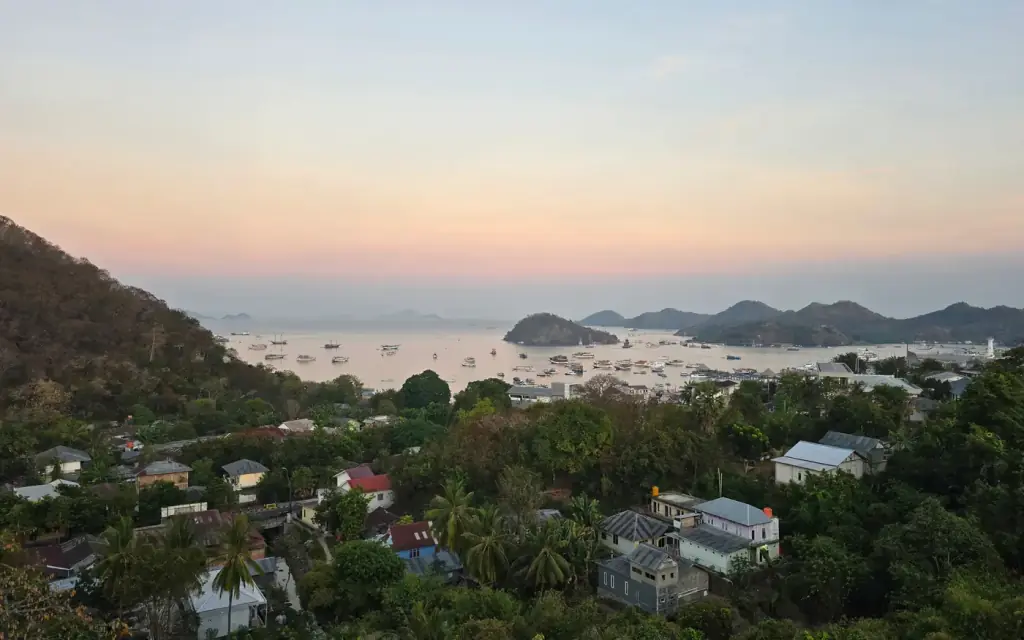
Kanawa Island Solo Travel & Female Safety Guide
Updated: August 2026 Solo travelers, including solo women, visit Kanawa Island regularly and generally find it straightforward and safe — the real…
Planning a day around Kanawa?
Komodo Luxury sits in Labuan Bajo and checks conditions the evening before and the morning of every departure. Send your dates and you get a written quote — fares, inclusions, and park fees stated separately.