
Kanawa Island Tides, Currents & the Sandbar
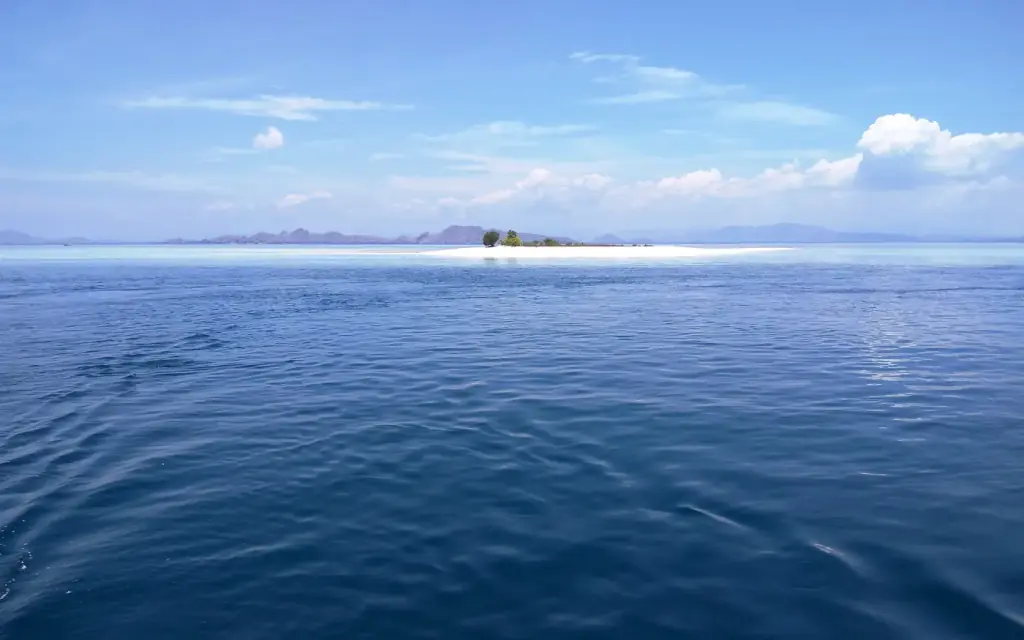 Photo: Stepgun / Wikimedia Commons (CC BY-SA 4.0)
Updated: August 2026
Are Tides a Big Deal at Kanawa Island?
Yes, more than most day-trip itineraries let on. The wider Komodo National Park area is known among divers for unusually strong tidal currents — regularly 3–5 knots in the narrow straits between Komodo, Rinca, and Padar, occasionally higher on spring tides in the most constricted channels. Kanawa itself sits in a comparatively sheltered bay rather than one of those named straits, so its currents run milder — typically well under 2 knots in the open water off the beach — but the same semidiurnal tidal engine still governs water depth on the reef flat, and that is what actually affects a snorkeler entering from the beach.
| Tide phase | Approximate vertical range | What it does at Kanawa |
|---|---|---|
| Neap tide (first/third quarter moon) | ~1–1.5 m | Gentler swing; reef flat stays shallow but rarely fully exposed |
| Average tide | ~1.5–2.5 m | Typical day-to-day pattern most visitors experience |
| Spring tide (full/new moon) | ~2–3 m, occasionally more | Reef flat can sit in knee-deep or shallower water at low; strongest currents in nearby channels |
Last updated: August 2026, based on published tidal-range data for the Komodo National Park region. Exact figures vary by source and by the specific week’s lunar phase — always check a current tide table for your travel date rather than relying on a general range.
How the Tide Changes the Beach and Reef Flat
Kanawa’s house reef begins roughly 30 meters off the main beach, and the shallow reef flat between the sand and the reef crest is the part of the island most exposed to tide swings. Our house reef zone map covers the entry points in full; here is specifically what tide state does to each:
- Low tide: the reef flat can sit in knee-deep water or less, making the sand channel the only safe way across without standing on coral. The shallow water also means boats must anchor further out, requiring a longer wade to the beach.
- Mid tide (rising or falling): generally the easiest all-round window — enough depth over the flat for comfortable swimming, beach landings still straightforward, and currents typically at their weakest near the turn.
- High tide: the most forgiving depth for crossing the reef flat and reaching the crest quickly, but this is also when currents in more exposed parts of the bay can run at their strongest, particularly on spring tides.
The practical rule guides use here: cross the shallow flat on the sand channel regardless of tide state, and if you are snorkeling independently rather than with a guide, ask the boat crew what the tide is doing that day before you decide which entry point to use.
Does Kanawa Island Have a Sandbar?
Not in the way the word usually gets used. Kanawa’s own low-tide feature is the sand channel and exposed reef-flat shallows in front of the main beach — real, and useful for wading entry, but it is not a standalone offshore sandbar that emerges and disappears with the tide the way a classic Indonesian sandbar does. That distinction matters because the island most travelers are picturing when they search for a Komodo-area sandbar is actually Seraya Kecil, a short boat hop away, which has a genuine curved sandbar and shallow lagoon that is one of the most photographed stops on the wider island-hopping route.
| Feature | Kanawa Island | Seraya Kecil |
|---|---|---|
| What’s exposed at low tide | Shallow reef flat and sand channel in front of the main beach | A curved offshore sandbar with a calm, waist-deep lagoon |
| Best known for | Shore-entry house reef snorkeling | Sandbar photography and calm family swimming |
| How to see both in one day | Combine them on the island hopping tour, which routes Kanawa and Seraya Kecil together | |
If a genuine sandbar photo is the priority, plan your Kanawa day as one stop on a wider route rather than expecting it on Kanawa’s own beach.
Currents Around Kanawa: What the Data Actually Says
Published diving and cruising guides for the Komodo area describe the region’s narrow inter-island straits — Selat Sape, the Linta Strait, and the Molo Strait between Rinca and Flores — as some of the strongest tidal-current zones in Indonesia, with documented speeds of 3–8 knots at peak flow and extreme reports over 10 knots in the most constricted passages. Kanawa is not inside one of these named straits; it sits in an open, comparatively sheltered bay closer to Labuan Bajo, which is exactly why its water is calm enough for beginner snorkelers wading straight off the beach. The mechanism behind the region’s strong currents is the same one that shapes Kanawa’s milder tidal rhythm: water exchanging between the higher Flores Sea and the lower basins to the south, pulled by the moon on a twice-daily cycle, funneled hard where island geometry narrows and running gently where it stays open.
Two patterns worth knowing before you get in the water: ebb (falling) tides tend to run slightly stronger than flood (rising) tides in this region, and currents everywhere are strongest around new and full moon and weakest near the first and third quarter. If you are booking a specific date, that lunar calendar matters more than the calendar month.
How to Read a Tide Table Before You Snorkel Kanawa
- 1. Find the nearest published tide station for the Labuan Bajo / Komodo area for your travel date — most tide-table apps and marine weather sites cover this region.
- 2. Note the high and low times and the predicted range between them. A range under about 1.5 m is a neap tide day; over 2 m signals a spring tide with stronger currents and a more exposed reef flat at low water.
- 3. Plan your reef-flat crossing for mid-to-high tide rather than low tide, so you are not tempted to walk across shallow coral.
- 4. Check the moon phase. Dates near full or new moon mean bigger swings and stronger currents; dates near the quarter moons are gentler in both directions.
- 5. Ask your boat crew on arrival what the tide is doing that specific day — local knowledge of that week’s conditions beats any general guide, including this one.
Best Tide-and-Time Combinations for a Kanawa Day
| Goal | Best tide state | Best time of day |
|---|---|---|
| Easiest reef-flat crossing | Mid to high tide | Any — depth is the main factor |
| Calmest water, best photography light | Any, ideally near slack (tide turning) | Early morning, before day boats arrive |
| Most fish activity on the upper slope | Mid tide | Late afternoon |
| Turtle sightings in the seagrass shallows | Mid to high tide | Morning or late afternoon |
Frequently Asked Questions
Is it dangerous to snorkel Kanawa’s house reef at low tide?
Not dangerous if you use the sand channel rather than crossing the coral flat directly, but low tide is when reef damage from careless fin kicks happens most, and depth over the flat can be too shallow to swim comfortably. Enter and exit via sand, and treat the flat as a corridor, not a swimming area, at low water.
Does the tide affect the boat crossing from Labuan Bajo, not just the reef?
Tide has less effect on the open crossing itself than on arrival and departure at Kanawa, where water depth over the reef determines how close boats can get to the beach. Rough sea state is driven more by wind and season than by tide alone — see our weather by month guide for that side of trip planning.
What is the best tide for photography on the beach?
Mid to high tide generally gives the cleanest shoreline shots, since a receding low tide can expose wet sand, seaweed, and reef debris close to the beach. Pair tide timing with early morning or late afternoon light for the best combination.
Should I worry about currents while snorkeling from the beach at Kanawa?
For most visitors, no — Kanawa’s bay is sheltered compared to the park’s named straits, and shore-entry currents are typically mild. The one spot to respect is the northern corner of the reef, where current can pick up near the point; our house reef guide covers exactly where that is and how to handle it.
Plan Your Kanawa Island Day Around the Tide
Tell Komodo Luxury your travel date and they can flag whether it falls on a spring or neap tide and suggest the departure time that gives you the best window at the reef. Kanawa boat days are run by Komodo Luxury, under Juara Holding Group, operating from Bali across Indonesia since 2015. Message Komodo Luxury on WhatsApp at +62 811-3810-8110 or email sales@komodoluxury.com to plan your visit.
Plan Your Kanawa Island Visit
Practical Tide, Current & Sandbar Questions Answered
How do the currents here usually feel to an average snorkeler?
On most days the current along the main beach feels like a steady push rather than a fight. On neap tides you may barely notice movement inside the reef flat; out near the drop-off you’ll feel a gentle drift either east or west. Around full and new moon, the pull along the outer wall can firm up, so beginners are better off staying over the shallow, sandy-bottomed flat.
Are the currents here strong enough to worry about?
Directly off the main beach, mild current is the norm. The places to treat with more respect are the corners of the island where the reef drops quickly into blue water. On spring tides, the north and south tips can funnel water faster, especially when wind and tide line up. If you plan to leave the house reef, ask your boat crew where they see the strongest flow that week and stay up-current of your exit point.
Where are the locations of any strong currents or rip tides around Kanawa Island that beginners should avoid?
There are no classic beach “rip tides” like you see on surf beaches, but tidal flow concentrates in a few spots. Beginners should avoid the channel edges where boats pass on the east side, the outer corners of the reef at the north and south tips, and any area where you see clear slick lines or fast-moving surface texture. If you find yourself drifting faster than a relaxed fin kick, angle back toward the shallow reef flat and exit via the sand channel or onto the main beach.
Kanawa Island vs Pink Beach – which has stronger currents for snorkeling?
Pink Beach sits deeper inside Komodo National Park, closer to the straits where tidal flow is naturally stronger. You can absolutely get gentle days there, but the baseline current potential is higher than around Kanawa. Kanawa’s bay setting and house reef offer more consistently easy conditions, which is why many guides put first-time snorkelers in at Kanawa before taking them to Pink Beach or the more exposed park sites.
How do I check the tide before deciding when to get in the water?
The simplest way is to look up Labuan Bajo or Komodo tide stations on a reputable tide-forecast site or app; Kanawa’s pattern will closely follow those times with only minor offset. Match the “kanawa island tides chart for snorkeling times” to your boat schedule and aim for mid-tide rising if you can. If you’re already in Labuan Bajo, ask your operator to confirm the day’s high and low before you finalize a departure time.
What’s the best time for snorkeling Kanawa Island tides if I want both depth and easy conditions?
If you’re flexible, the best time for snorkeling Kanawa Island tides is roughly one to three hours before high tide, on a day that’s not at the very peak of full or new moon. You’ll get enough water over the reef flat to cross comfortably, but currents along the wall are usually still manageable. If your timing is fixed, prioritize snorkeling during daylight slack periods rather than forcing a session at very low tide.
Is Kanawa Island sand channel snorkeling really the safest way across the reef flat?
Yes. The sand channel in front of the main beach landing area is the only crossing where you are not threading through live coral heads at low and mid tide. At very low water you’ll often see staff and guides funnel everyone through that natural “path” to reach the deeper edge. Enter with fins already on if the depth allows, float as soon as you can, and avoid standing or pushing off anything that isn’t clearly bare sand.
Can I walk all the way around Kanawa Island at low tide, and how long does it take?
In theory you can circumnavigate Kanawa at very low tide, but in practice it’s a mix of firm sand, loose rubble, and sharp coral slabs. Most people just do one or two beach sections and turn back. If you commit to a full loop, wear sturdy reef shoes and allow 60–90 minutes with photo and tide-check pauses, starting as the tide is still falling so you aren’t racing a fast flood on the back side.
Is there a tide chart aimed at snorkelers, or do I just use general tide tables?
There is no separate “Kanawa-only” chart; you use the same semidiurnal tide tables published for the wider Komodo area. Treat them as a planning tool, not a guarantee: weather, recent wind, and barometric pressure can nudge actual levels up or down. Many operators will talk you through the day’s highs and lows when you book a Kanawa stop as part of a wider Komodo boat trip, so don’t hesitate to ask them to mark ideal swim windows on your schedule.
Can I include Kanawa after a full Komodo day trip, or is it better as a stand-alone island for easy currents?
You can do either. Many boats stop at Kanawa at the end of a multi-stop circuit so guests can drift over the house reef in gentler water after more exposed sites. If your priority is relaxed conditions and simple logistics, a stand-alone Kanawa visit with a clear focus on tides and currents is easier to control than being the “extra” stop on a packed Komodo one-day itinerary.
How do I judge whether conditions suit beginners on the actual day, not in theory?
After landing on the beach, watch the water for a few minutes: look at how fast moored boats are swinging, and toss in a small leaf to see how quickly it drifts. Ask the crew where they’d take their least confident swimmer given the Kanawa Island currents at that moment. If you’re arranging a private or open trip, operators like Komodo Luxury can also advise when they plan beginner-friendly Kanawa sessions within their shared open-trip departures.
To turn tide plans into an actual Kanawa day, contact Komodo Luxury on WhatsApp +62 811-3810-8110 or email sales@komodoluxury.com. They can combine Kanawa with other easy snorkel stops, explain how park fees work, and quote boats and routes through their Kanawa Island overview and broader Komodo National Park fee guide.
Timing a Kanawa visit — more from the Journal
Keep reading
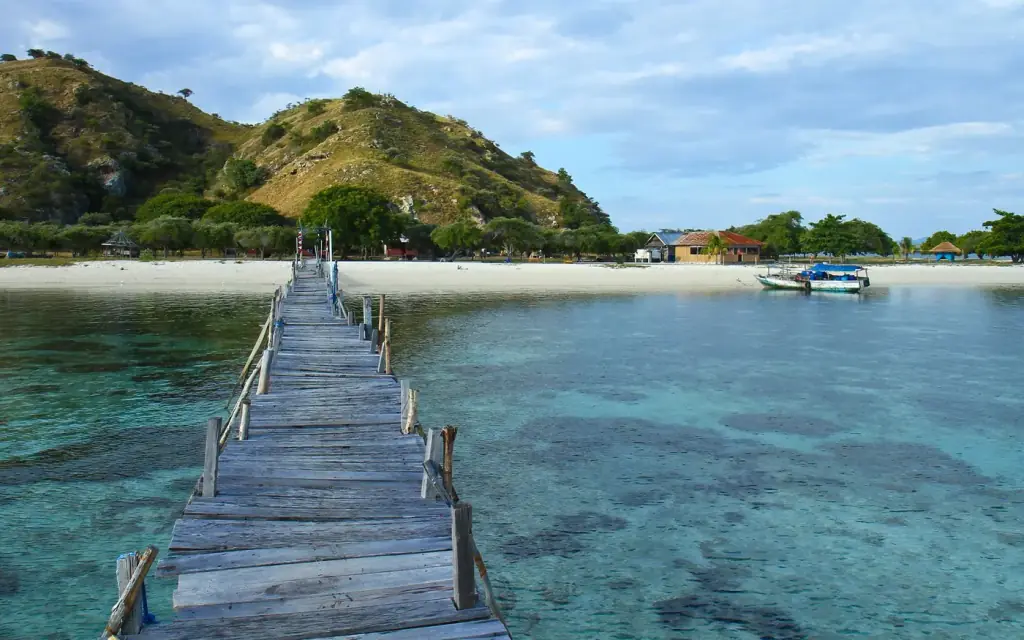
How Many Hours Do You Need on Kanawa Island?
Updated: August 2026 Most visitors need a minimum of 3 hours on Kanawa Island to snorkel the house reef properly and relax…
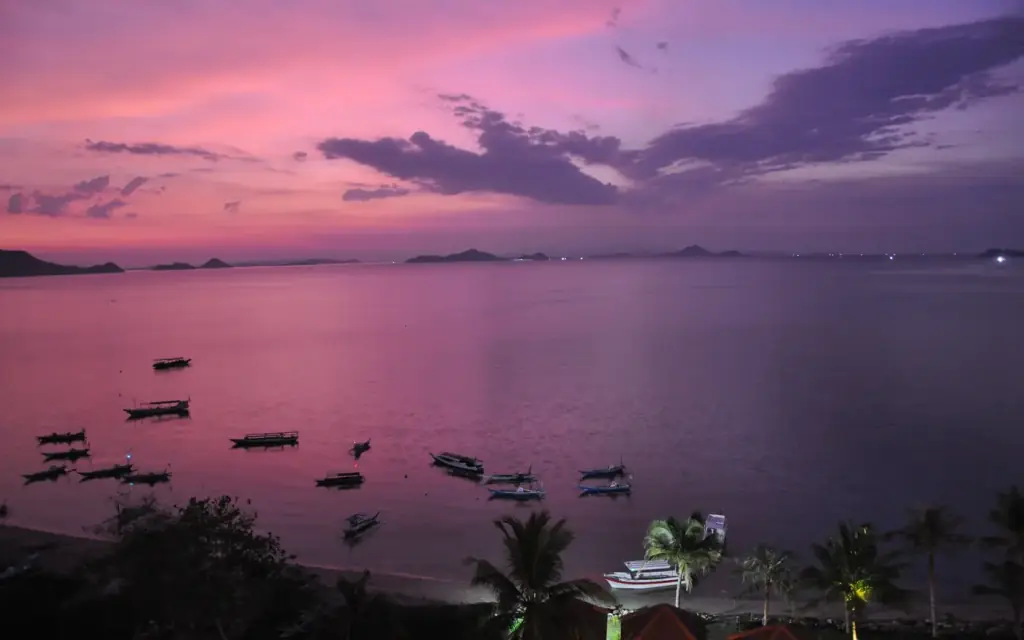
Sunrise or Sunset at Kanawa Island? Photographer Call
Updated: August 2026 Sunset wins for most photographers at Kanawa Island: the west-facing beach puts the sun going down directly over open…
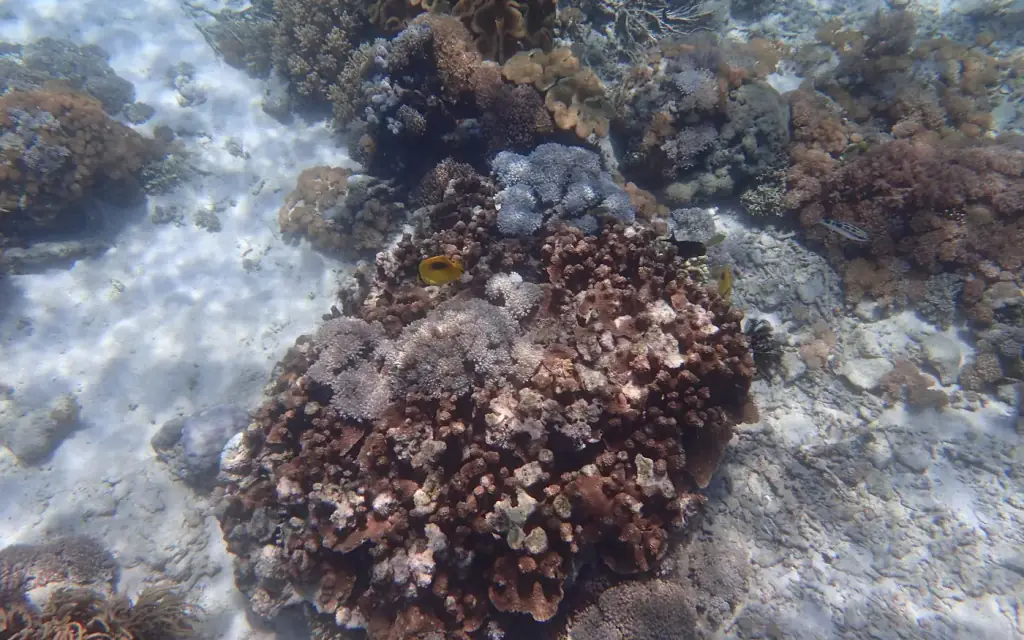
Kanawa Island Marine Life: Species You Actually See
Updated: August 2026 Kanawa Island’s house reef delivers classic Coral Triangle life within a short swim of the beach: reef-fish carpets of…
Planning a day around Kanawa?
Komodo Luxury sits in Labuan Bajo and checks conditions the evening before and the morning of every departure. Send your dates and you get a written quote — fares, inclusions, and park fees stated separately.