
Sea Turtles at Kanawa Island: Where and When
Updated: August 2026
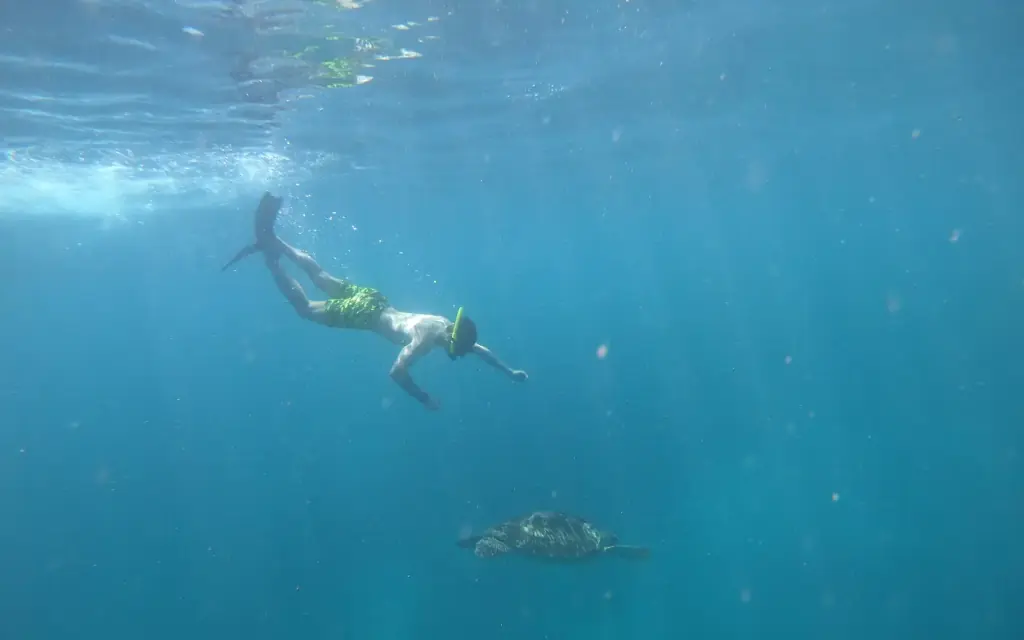
Yes — snorkelers and dive guides consistently report sea turtles at Kanawa Island, most often in the seagrass shallows between the main beach and the reef crest. A sighting is a genuine possibility on most visits rather than a rare stroke of luck, but it is not a guarantee: turtles graze and rest here, they are not fed or tethered, and no operator can promise an encounter on a specific date. This guide covers where turtles are actually seen on Kanawa’s reef, which species you are most likely to meet, when the odds are best, and the etiquette that keeps encounters good for you and safe for them.
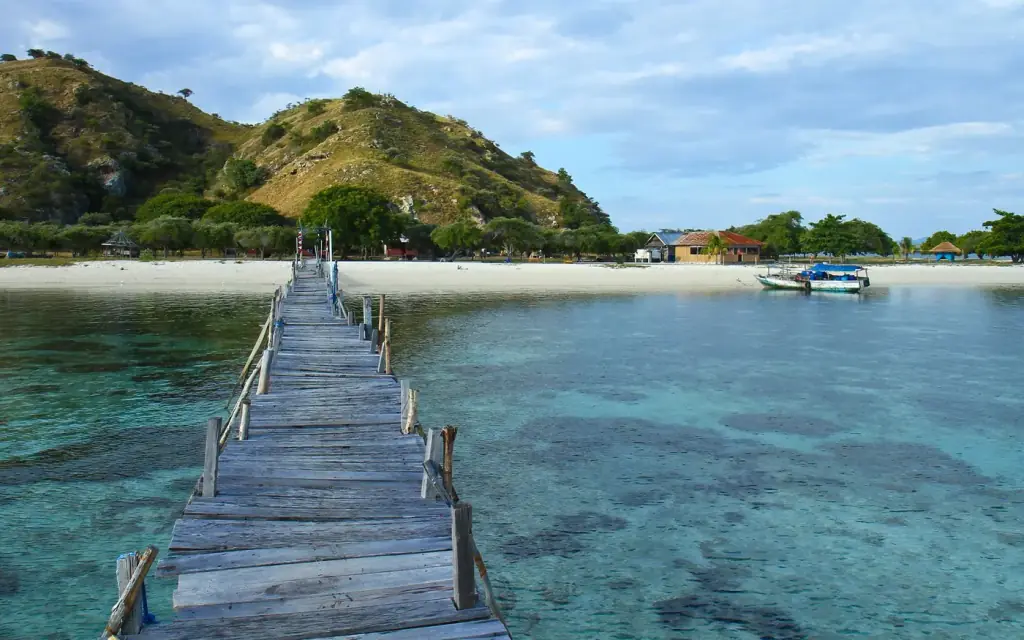
For context: Kanawa is a small island of roughly 32 hectares — about 1.4 kilometers long and 0.4 kilometers wide — some 11–15 kilometres northwest of Labuan Bajo, Flores. The crossing takes around 20–35 minutes by speedboat, or 45–75 minutes if you are on a slower wooden boat. Its house reef begins roughly 30 metres off the main beach, which is what makes turtle-watching here unusually accessible: you swim out from the sand rather than being dropped by boat over a dive site.
Do You See Turtles at Kanawa Island?
Commonly, yes — but frame it honestly. Kanawa’s reef is mapped into depth zones, and the seagrass and sand shallows roughly 1–3 metres deep between the main beach and the reef crest are where turtles are most consistently reported, grazing on the grass beds or resting on the sand. This pattern is consistent with the wider Komodo National Park ecosystem: seagrass meadows across the park are documented foraging habitat for green turtles, and Komodo’s reefs more broadly host both green and hawksbill turtles, with green turtles being the species most associated with seagrass grazing specifically.
What nobody can honestly promise is a turtle on your particular day. Guides and boat crews at Kanawa report turtles being seen on a large share of trips, especially in the seagrass zone at a calm tide, but there is no dedicated population survey or fitted-tag study specific to Kanawa in the public record — the evidence here is consistent snorkeler and guide reporting, not a peer-reviewed census. Treat “likely” as the honest word, not “guaranteed.”
Where on the Reef Are Turtles Most Often Seen?
Kanawa’s shoreline works as one long arc with three entry points, and turtle sightings cluster in a specific part of that arc:
| Zone | Depth | Turtle likelihood | Why |
|---|---|---|---|
| Reef flat (near shore) | 1–3 m | Low | Too shallow and exposed for turtles to linger; mostly a crossing corridor for snorkelers |
| Seagrass and sand shallows | 1–3 m | Highest | Grazing habitat; turtles surface here to breathe between feeding bouts |
| Reef crest and upper slope | 2–8 m | Moderate | Turtles pass through commuting between the seagrass and open water |
| Lower slope and drop-off | 5–18 m | Occasional | Visible from the surface on good-visibility days; more a diver’s zone |
The practical routing: enter from the beach, swim slowly over the seagrass patches rather than straight across them, and hold position rather than chasing anything that surfaces. Our full Kanawa Island house reef guide maps all three shore entries and every depth band in detail if turtles are only one part of your snorkel plan.
Which Turtle Species Will You See?
Two species are documented across Komodo National Park generally: the green turtle (Chelonia mydas) and the hawksbill turtle (Eretmochelys imbricata). Conservation references for the park describe green turtles as the primary grazer of the park’s seagrass meadows, which matches exactly the zone where Kanawa sightings concentrate — so a green turtle is the more likely encounter in that seagrass band. Hawksbills are also present in the wider park, more often associated with reef and coral habitat than seagrass, and are reported less frequently at Kanawa specifically than on the reef crest and slope.
Species identification from a passing snorkeler’s view is genuinely hard — the two can look similar at a glance — so we describe this as “most likely a green turtle in the seagrass, possibly a hawksbill on the reef,” rather than claiming certainty neither we nor most guides can verify in the water.
When Are the Odds of Seeing a Turtle Best?
- Time of day: early morning, before the day-trip fleet arrives from Labuan Bajo mid-morning. Calmer water and less boat traffic mean turtles surface to breathe with less disturbance, and you have a clearer, quieter view of the seagrass. The Kanawa Island sunrise trip is built around exactly this window.
- Tide: mid-to-high tide, which gives turtles — and you — more comfortable clearance over the seagrass without either of you brushing the bottom.
- Season: per our Kanawa Island weather by month planner, the April–October dry season gives the clearest water for spotting anything at a distance, with the September–October and April–May transition windows offering the calmest, glassiest conditions to actually see a resting turtle before you are on top of it.
- Behaviour: float still at the surface rather than swimming toward a spotted turtle. Most close encounters happen when the turtle approaches a motionless snorkeler, not the other way around.
Turtle Etiquette: How to Watch Without Disturbing Them
- Keep at least 3 metres of distance and let the turtle set the pace. If it changes direction to move away from you, that is your cue to hold back further, not follow.
- Never touch, ride, or corner a turtle against the reef or the surface — a common mistake is blocking its path to open water when it needs to surface for air.
- Keep your fins still and controlled in the seagrass zone; a fin kick that clips the sand or grass disturbs the exact grazing ground turtles depend on.
- No flash photography at close range, and be mindful of dive lights if you extend a session into low light.
- Snorkel with a buddy and tell your guide or boat crew you are turtle-watching specifically — most crews know the current best-reported spot for that day’s conditions.
These are the same shore-entry safety principles covered in our house reef guide, applied specifically to turtle encounters rather than reef contact generally.
Can You See Turtles Without a Guide?
You do not need a guide in the water to spot a turtle — the seagrass zone is shallow, calm, and easy to self-navigate from the beach — but you do need a boat to reach Kanawa, and access is arranged rather than walk-up. Most visitors combine turtle-watching with a broader reef session on a day trip from Labuan Bajo; as of 2026, a shared Komodo speedboat day tour that includes Kanawa starts from USD 90 per person (Komodo Luxury, checked 25 August 2026), with the statutory Komodo National Park entrance fee (IDR 250,000/day for foreign visitors, per PP No. 36/2024) applying when your route continues into the park itself, plus Kanawa’s own day-visitor contribution of approximately IDR 150,000 per person (a 2026 tour-operator rate). If turtles and the wider reef are equally the point, the Kanawa Island snorkeling tour covered here is built around unhurried house-reef sessions at the right tide rather than a rushed stop, and Komodo Luxury’s own speedboat charter page lists the vessel class most day trips to Kanawa’s turtle zone actually use.
Are turtle sightings guaranteed at Kanawa Island?
No. Sightings are commonly reported, especially in the seagrass shallows at a calm tide and early in the day, but turtles are wild animals moving freely through open water — no operator can honestly promise one on a specific date.
What is the best time of day to see turtles at Kanawa?
Early morning, before the day-trip fleet arrives, when the water is calmest and the seagrass zone is quietest. A mid-to-high tide adds comfortable clearance for both you and the turtle.
Is it safe to swim near a sea turtle?
Yes, if you keep your distance and let it move naturally. Turtles are not aggressive toward snorkelers, but cornering one or blocking its route to the surface can stress the animal and is the main thing to avoid.
Do you need diving certification to see turtles at Kanawa?
No — the seagrass zone where turtles are most often seen sits in roughly 1–3 metres of water, well within snorkeling depth. Divers wanting the deeper reef slope as well can extend the day on the Kanawa Island dive day trip.
Plan Your Kanawa Island Turtle Day
Tell Komodo Luxury your dates, your swim confidence, and whether turtles or the wider reef top your list, and they will build the day — or an early sunrise slot — around the seagrass zone where sightings concentrate. Trips are operated with Komodo Luxury, part of Juara Holding Group, founded 2015.
Message Komodo Luxury on WhatsApp at +62 811-3810-8110 or email sales@komodoluxury.com for a same-day itinerary and quote.
Plan Your Kanawa Island Visit
Turtle Encounters at Kanawa: Practical Questions Answered
Are turtles common near Kanawa Island, or is a sighting still rare?
Turtles are reported often enough that “possible on any calm day” is a fair description, but not “every single snorkel.” The seagrass belt between the main beach and the reef crest is where greens are seen most regularly, with the occasional hawksbill passing along the reef slope. Weather, tide, and simple luck all matter, so treat sightings as a highlight, not a guarantee.
Can you see turtles when snorkeling off Kanawa Island, or do you need to dive?
You can find turtles snorkeling straight out from the beach; most encounters happen in one to three metres of water. To find turtles, enter from the main beach, fin slowly over the seagrass patches, and stop often to scan rather than covering distance. Divers occasionally see turtles deeper on the wall, but the most reliable turtle depth is actually the shallow, grassy zone accessible to beginners.
Where exactly are the best seagrass and turtle spotting opportunities around Kanawa?
The most consistent turtle sightings over the seagrass follow a loose triangle: from the shore where the jetty once stood, 30–80 metres out toward the reef crest, then north along the shallows, then back in. Stay in 1–3 metres depth where sand and grass mix. Avoid standing on the bottom; keep a slow, level snorkel and watch for grazing shapes rather than surfacing heads.
Is there a specific sea turtle nesting season and beach zone on Kanawa Island?
No formal research documents nesting months or nesting zones for turtles on this beach. Locals occasionally report tracks on the quieter back-beach sections, but Kanawa is not monitored like the main nesting beaches inside Komodo National Park. If you see tracks or a possible nest above the high-tide line, photograph from a distance and avoid walking or placing bags on that area.
What protection measures exist for sea turtle nests on Kanawa Island?
There are no permanent rangers or fenced hatcheries dedicated to protection measures for sea turtle nests on Kanawa Island. Any protection tends to be informal: boat crews may mark obvious nests with stones or simple sticks to deter trampling. If you spot a fresh nest, let your skipper or guide know so they can alert other crews and keep people from sitting or digging there.
Can tourists volunteer with sea turtle conservation on Kanawa Island?
At present there is no structured programme through which visitors can volunteer on sea turtle conservation at Kanawa Island specifically. Most formal turtle projects in the region are based on larger islands with research staff and long-term monitoring. If conservation volunteering is a priority, plan Kanawa as a snorkeling stop and look separately for vetted turtle programs elsewhere in Indonesia with clear scientific oversight.
What are the key turtle encounter ethics for snorkeling around Kanawa?
The etiquette is simple: never block a turtle’s path to the surface, never touch, and keep at least a few metres’ distance. Approach side-on rather than from above, and let the turtle decide if it is comfortable staying near you. Avoid flash photography and loud splashing. If a turtle changes direction, speeds up, or surfaces repeatedly, back off and give it space.
Is it safe to swim near a sea turtle, and what about sea snakes or stonefish?
Healthy turtles ignore calm snorkelers; the main risk is from your own fins or panic, not the turtle. The separate question is whether there is a risk of venomous sea snakes or stonefish in the shallows around Kanawa Island: yes, both can occur in Indo-Pacific reefs. Wear full-foot fins, avoid putting bare hands or feet on rocks or rubble, and shuffle gently if you must stand on sand.
Is the sea usually calm around Kanawa Island for turtle snorkeling?
Kanawa sits in relatively sheltered water, and on many mornings the surface inside the reef is glassy, which makes spotting turtles over the seagrass much easier. Wind, swell, and currents still change day to day. If you are not a strong swimmer, aim for early morning, neap tides, and avoid visibly choppy days. Ask your boat crew about current direction before entering.
How do Kanawa’s turtle encounters compare to sites inside Komodo National Park?
Kanawa sits just outside the park boundary, so a Kanawa-only day usually avoids park entrance fees and the SiOra visitor cap. In the water, green turtles over the seagrass are often easier for beginners than the deeper, current-prone reefs inside the park. If you want Kanawa plus classic park sites in one itinerary, look at one-day routes on structured Komodo day trips that sometimes include a Kanawa stop.
How do I fit Kanawa turtle snorkeling into a wider Komodo boat plan?
Kanawa works well as the first or last stop on a wider route: calm, shallow water to test gear before stronger currents. Some operators add Kanawa to itineraries that also visit Rinca, Padar, or manta sites. For more flexible routing that might include Kanawa, review the itineraries and vessel types on Komodo boat trips and ask specifically about a Kanawa reef stop.
Can I charter a speedboat just to focus on Kanawa’s house reef and turtles?
Yes, some Labuan Bajo operators will quote a Kanawa-focused day with flexible timing for tides and light. Pricing is typically per boat, not per person, and depends on boat size and hours. For reference on vessel types and what’s included, browse the options under Komodo speedboat charters and then request a written quote that specifies a Kanawa-only or Kanawa-priority plan.
To turn this into a trip, start with your dates and how many hours you want in the water, then ask for a Kanawa-focused plan. Contact Komodo Luxury via WhatsApp at +62 811-3810-8110 or email sales@komodoluxury.com. Compare Kanawa add-ons to full park routes using their Kanawa Island overview and longer Komodo liveaboard itineraries.
Kanawa's reef and wildlife — more from the Journal
Keep reading
How Many Hours Do You Need on Kanawa Island?
Updated: August 2026 Most visitors need a minimum of 3 hours on Kanawa Island to snorkel the house reef properly and relax…
Sunrise or Sunset at Kanawa Island? Photographer Call
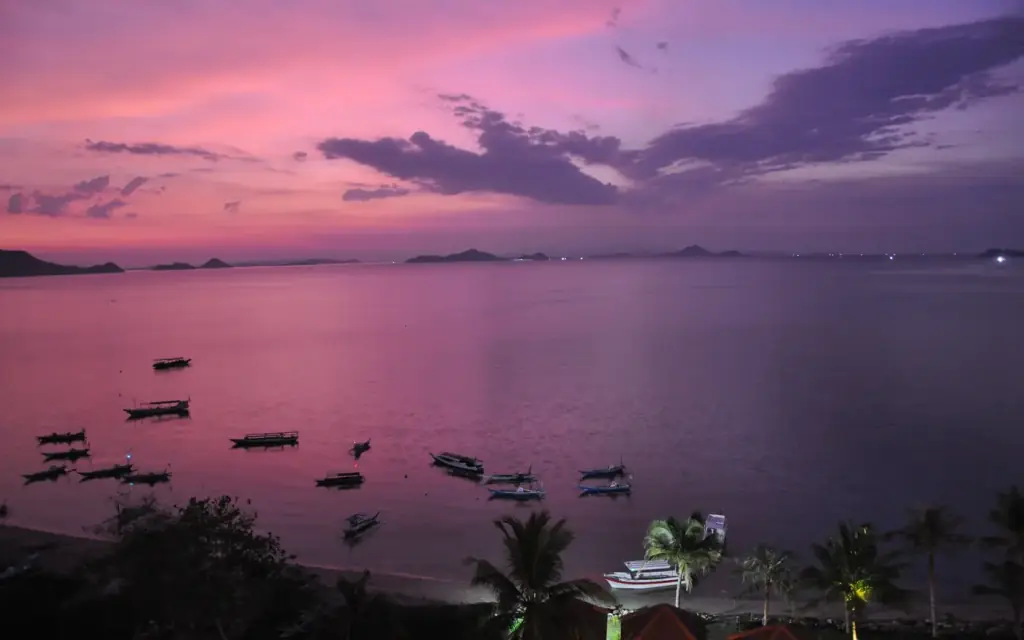
Updated: August 2026 Sunset wins for most photographers at Kanawa Island: the west-facing beach puts the sun going down directly over open…
Kanawa Island Marine Life: Species You Actually See
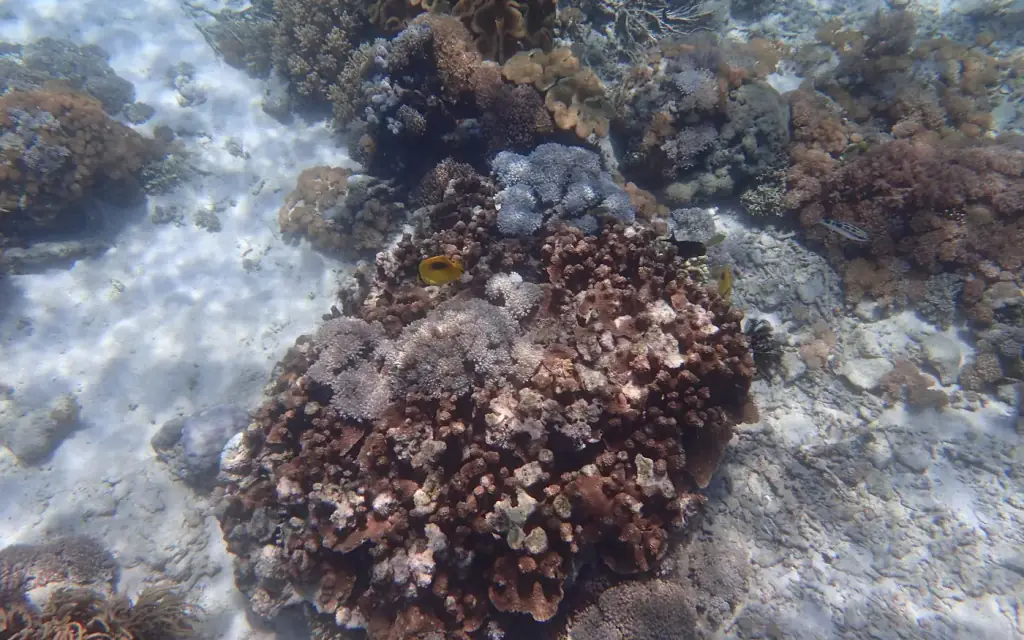
Updated: August 2026 Kanawa Island’s house reef delivers classic Coral Triangle life within a short swim of the beach: reef-fish carpets of…
Planning a day around Kanawa?
Komodo Luxury sits in Labuan Bajo and checks conditions the evening before and the morning of every departure. Send your dates and you get a written quote — fares, inclusions, and park fees stated separately.