
Baby Reef Sharks at Kanawa Island: Safe or Not?
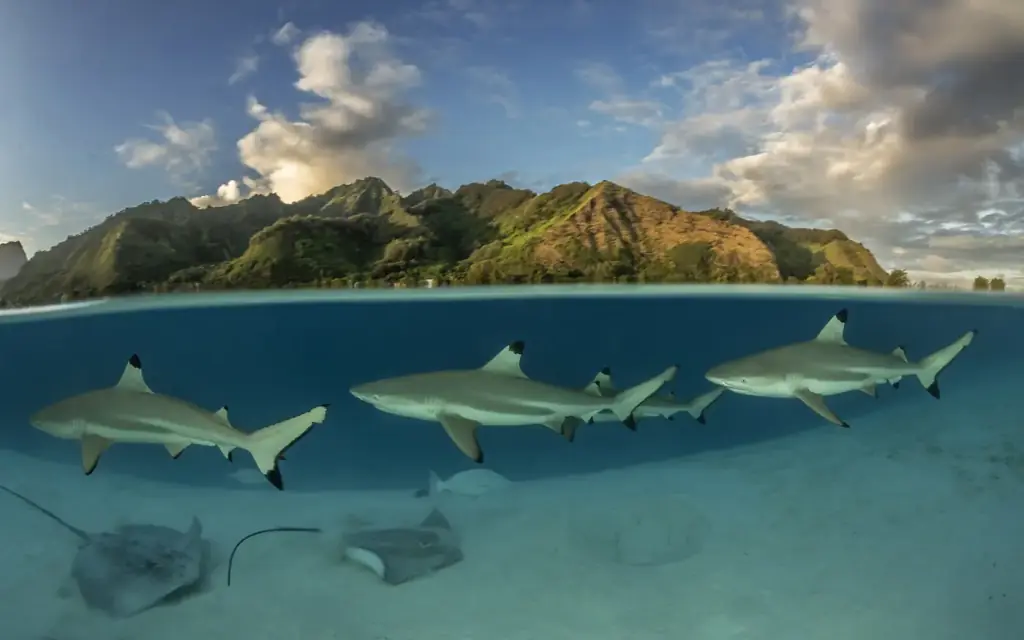 Photo: Borut Furlan / Wikimedia Commons (CC BY-SA 4.0)
Updated: August 2026
Yes, the baby sharks routinely seen in the shallows at Kanawa Island are juvenile blacktip reef sharks, and they are not dangerous to snorkelers. Juveniles of about 1–1.2 meters use the shallow reef flat (1–3 meters deep) as a nursery area, a well-documented behavior for this species across the Indo-Pacific, while adults (1.5–1.8 meters) stay mostly along the deeper wall edge, in the 5–18 m drop-off band. Blacktip reef sharks are shy, non-aggressive toward humans, and have no recorded pattern of unprovoked attacks on snorkelers at this site.
This page answers the safety question directly, with the biology and behavior behind it, so parents and nervous first-time snorkelers can make an informed decision rather than skip the reef out of unnecessary fear. For a broader look at everything on Kanawa’s house reef, see the Kanawa Island snorkeling guide.
What Species of Shark Do You See at Kanawa Island?
The sharks reported by snorkelers and divers at Kanawa are blacktip reef sharks (Carcharhinus melanopterus), identifiable by the distinctive black tips on their dorsal and tail fins. They are one of the most common reef shark species across the Indo-Pacific and are frequently encountered in shallow, sandy-bottomed lagoons and reef flats — exactly the habitat Kanawa’s northern reef provides. There is no credible report of larger, more dangerous shark species (such as tiger or bull sharks) at this specific site.
Why Are There Baby Sharks in Such Shallow Water?
The shallow water is not incidental — it is the point. When a female blacktip reef shark is ready to give birth, she moves into shallow water specifically for the safety of her pups, delivering between two and five pups measuring 35–50 centimeters each. Juveniles then spend their first few years living in groups in extremely shallow water, often just deep enough to cover their bodies, because:
- Fewer large predators can operate effectively in water that shallow, giving pups a survival advantage during their most vulnerable stage.
- Warmer shallow water supports faster early growth — juveniles commonly grow more than 20 centimeters a year in their first couple of years before growth slows to around 5 centimeters annually.
- Abundant small prey (small fish, crustaceans) is concentrated in shallow reef-flat habitat, reducing the energy juveniles need to spend hunting.
Juvenile blacktip reef sharks receive no parental care after birth — the mother returns to deeper water, and the pups are independent from day one, relying on the shallow nursery habitat itself for protection rather than adult supervision.
Are Blacktip Reef Sharks Dangerous to Snorkelers?
No credible safety concern applies to blacktip reef sharks in a snorkeling context at Kanawa. Three factors matter here:
- Behavior: the species is consistently described as shy and cautious around humans. They typically move away from swimmers rather than approach, and there is no established pattern of unprovoked attacks on snorkelers at reef sites like Kanawa’s.
- Size and diet: even adult blacktip reef sharks at 1.5–1.8 meters feed on small reef fish, crustaceans, and cephalopods — humans are not prey, and the species has no ecological reason to approach a snorkeler as anything other than a curiosity or non-event.
- Depth separation: juveniles occupy the 1–3 meter shallows where most beginner snorkelers spend their time; adults hold mostly to the 5–18 m wall edge, which most casual snorkelers do not reach without deliberately swimming out and down.
Standard reef etiquette still applies: do not chase, corner, or attempt to touch any shark, juvenile or adult. Respectful distance keeps the encounter calm for both the animal and the swimmer, and is also required conduct under Komodo National Park marine-life rules.
Where and When Are Sharks Most Commonly Seen?
Sightings are not guaranteed on every visit, but the pattern at Kanawa’s northern reef is consistent enough to plan around:
- Juveniles (shallows, 1–3 meters): most reliably seen close to the sandy reef flat near the beach entry, where the water is calm enough for a nursery population to hold. Early morning (07:00–09:00) sessions, when the water is calmest and dry-season visibility commonly runs 20–25 meters, tend to produce the clearest sightings.
- Adults (wall edge, 5–18 m): seen by snorkelers who swim out to the reef wall itself, roughly 30 meters offshore, where the sandy flat drops away. This zone suits confident swimmers accompanied by a guide rather than complete beginners.
Visibility and shark activity both benefit from the same conditions: calm, early-morning water in the April–October dry season. Choppier wet-season conditions (roughly December–March) reduce visibility to around 10–15 meters and can push activity patterns slightly, though sightings still occur.
How Should Parents Think About This for Kids?
Juvenile blacktip reef sharks are one of the more common reasons parents hesitate before a Kanawa snorkeling trip, and the practical answer is that the same shallow, standing-depth water that makes Kanawa beginner-friendly for children is also where the juveniles are found — the two facts are connected, not in conflict. Reasonable precautions:
- Brief children before entry: look, do not chase or reach — the same rule that applies to coral and turtles applies here.
- Keep young or nervous swimmers in the sandy shallows first, where they can stand, before any swim toward the reef wall.
- Use a guided tour rather than an unsupervised entry, so an experienced crew member is in the water to manage the group and point out safe viewing distance.
Operators report no incidents involving juvenile blacktip reef sharks and snorkeling guests at this site; the shy behavior of the species, combined with straightforward supervision, is what keeps the record clean rather than the sharks being absent.
Why Does a Shark Nursery Matter for the Reef?
A resident population of juvenile reef sharks is generally treated by marine biologists as a positive indicator of reef health, not a warning sign. Blacktip reef sharks sit near the top of the shallow reef food web, and their sustained presence at one site over multiple seasons suggests a stable, functioning nursery habitat rather than a disturbed one. Komodo National Park’s no-fishing and no-touching rules directly protect this kind of shallow nursery zone, since juvenile sharks are especially vulnerable to disturbance in their first year. For snorkelers, this means the same behavior that protects the coral — no standing on the reef, no touching, no chasing marine life — also protects the very juveniles that make Kanawa’s shallows worth visiting in the first place.
Frequently Asked Questions
Can blacktip reef sharks hurt you while snorkeling?
Serious injury from a blacktip reef shark is exceptionally rare worldwide and unrecorded at Kanawa specifically; the species is shy, feeds on small reef prey, and has no established pattern of approaching or attacking snorkelers who maintain normal reef distance.
Do the baby sharks bite if you get close?
Juveniles typically swim away from approaching snorkelers rather than react defensively. The standard guidance is simply not to chase, corner, or touch any shark — a rule that protects the animal as much as the swimmer.
What is the best time of day to see the sharks?
Early morning, roughly 07:00–09:00, when the water is calmest and visibility is typically best — juveniles in the sandy shallows are usually the easiest sighting during this window.
Are the sharks there year-round or seasonal?
Juveniles are reported in the shallows across the dry season (April–October) and, less consistently due to reduced visibility, through the wetter months as well — sightings are common but not guaranteed on any single visit.
Is it safe for a nervous swimmer to snorkel where sharks are present?
Yes, with a guided tour and by staying in the standing-depth sandy shallows initially. Nervous swimmers benefit from a life jacket and a guide’s supervision, both standard on organized Kanawa snorkeling trips.
Last updated: 24 August 2026.
See the Reef Sharks with a Guided Kanawa Snorkeling Trip
A guided Kanawa Island snorkeling tour, reached by private speedboat charter from Labuan Bajo, puts an experienced crew member in the water with you, which is the simplest way to enjoy the juvenile sharks and the rest of the reef without unnecessary worry. Trips are run by Komodo Luxury, part of Juara Holding Group, founded 2015. Message Komodo Luxury on WhatsApp at +62 811-3810-8110 or email sales@komodoluxury.com for a same-day itinerary and quote.
Plan Your Kanawa Island Visit
Practical Shark & Safety Notes for Kanawa’s House Reef
Do the baby reef sharks stay in one spot, or do they move around the beach?
The nursery shifts a little with tide and light. Most often you see the baby reef sharks along the northern sand spit, especially where the sand gives way to patchy coral in one to two metres of water. On some mornings they hug the very edge of the drop-off instead. If you don’t see them straight away, walk 50–100 meters along the beach and scan the shallows quietly from shore before wading in.
Is it safe to swim here if you just want to stay close to shore?
For confident swimmers the immediate shoreline is generally calm, and the reef sharks keep to slightly deeper water off the reef edge. That said, there is no lifeguard, and currents can pick up strongly with the tide, especially on the north and east sides. Treat Kanawa as an unsupervised natural beach: wear fins, stay within your comfort zone, and keep an eye on wind and chop building in the afternoon before heading back in.
Is it safe for children to snorkel at Kanawa Island, and how close will they be to sharks?
In normal conditions, is it safe for children to snorkel here? For swimming ability and shark behavior, yes, if managed closely. The juveniles keep to 1–3 meters depth and usually ignore people. The real risk here is waves and current, not the sharks. Put kids in well-fitting life vests, stay in the protected northern shallows, and keep an adult in the water within arm’s reach rather than watching from the beach.
Do you ever see bigger sharks while snorkeling, or only juveniles?
Most casual snorkelers see juvenile blacktips in the shallows and, occasionally, sub-adults along the upper part of the wall. Fully grown blacktip reef sharks tend to cruise the 5–18 m drop-off, which you’ll only really notice if you are comfortable freediving a bit deeper or joining a guided trip. Larger “dangerous” species (bull, tiger) are not part of the usual Kanawa logbook and are not expected on this reef.
Is tap water on Kanawa Island safe to drink or to use for brushing teeth?
Do not assume the tap water on Kanawa is potable. Supply depends on storage tanks and, at times, small desalination units or shipped-in water; quality and treatment can vary, and outages are reported. Plan on drinking sealed bottled water. On whether tap water is safe for brushing teeth, most cautious visitors use bottled water for both drinking and brushing, especially with children or sensitive stomachs.
Is Kanawa Island suitable for elderly parents who may not swim?
Kanawa can work for non-swimming, older visitors, but it’s not turnkey accessible. Arrival is a wet landing onto the beach, which can be challenging, and there are no handrails. Shade is limited to a few structures and trees; seating can be basic. If your parents do not swim, they can still watch the reef sharks from the boat or the water’s edge; bring sun protection, a hat and any mobility aids they normally use.
What should boat captains know about safe anchorage points and mooring guidelines around Kanawa Island?
Anchoring on live coral is a real problem here. Use existing moorings where available off the northern and western sides, and approach slowly over sand, not the reef crest. Safe anchorage here follows a simple rule: find sand patches at adequate depth and keep well clear of the drop-off edge. If unsure, ask local operators or rangers in Labuan Bajo for current mooring locations before you depart.
Are there any guided marine biology or eco-education tours operating at Kanawa Island?
There is no resident marine biologist on Kanawa, and structured eco-education changes with whatever Labuan Bajo operators are currently offering. Some naturalist guides incorporate Kanawa into broader routes through Komodo, explaining reef sharks, coral health, and conservation while you snorkel. If that matters to you, check recent itineraries for guided marine-biology or eco-education stops here, or ask explicitly when you request a quote.
How can a nervous first-timer see the reef sharks with a guide beside them?
If you want someone in the water beside you, pointing out sharks and reading the current, that is usually arranged as a private or small-group day from Labuan Bajo. You charter a boat, and the guide leads you from the beach across the house reef. For logistics and to see if Kanawa fits into your day, look at the Kanawa overview on Komodo Luxury’s Kanawa Island page and then ask for an in-water guide when you enquire.
Can you combine seeing the reef sharks at Kanawa with other Komodo National Park highlights in one day?
Yes — many visitors watch the baby reef sharks in the morning, then spend the rest of the day inside Komodo National Park at sites such as Padar or Manta Point. In that case, standard Komodo park entrance fees apply for the park segment only. The structure is typically a shared or private speedboat day, planned around tides and distance. To understand routes and timing, browse the sample one-day itineraries under Komodo one-day trip packages.
What should you bring for a safe, self-guided shark and snorkel visit to Kanawa?
Treat Kanawa as lightly serviced. Bring your own mask, snorkel, and fins sized correctly; there is no guarantee of rentals on the island. A rash guard or thin wetsuit, reef-safe sunscreen, hat, water bottle, and plenty of cash are sensible. Assume no reliable card machine, unpredictable power, and limited shade. For timing, most boats leave Labuan Bajo mid-morning; if you want quieter shark time, push for an earlier departure and head straight to the northern reef.
To turn this into an actual day on the water, you’ll need a boat and a firm plan. Contact Komodo Luxury on WhatsApp +62 811-3810-8110 or email sales@komodoluxury.com to check sea conditions, boat availability, and whether Kanawa fits your route. Compare options for a simple Kanawa stop on their Komodo boat trips or a fuller route via Komodo liveaboard cruises, then ask for a written quote before you fix dates.
Safety and rules at Kanawa — more from the Journal
Keep reading
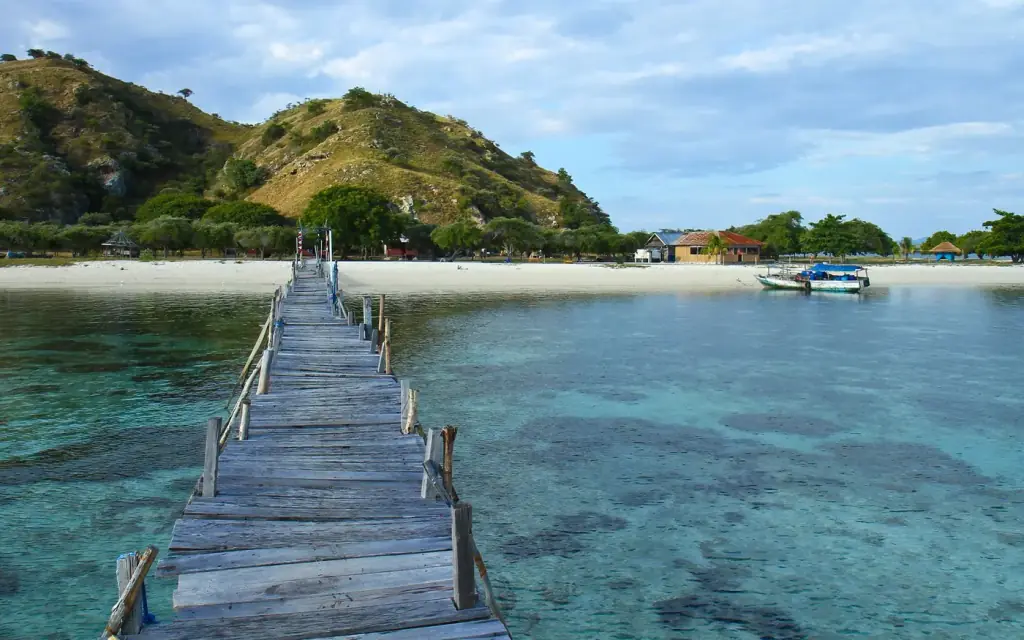
How Many Hours Do You Need on Kanawa Island?
Updated: August 2026 Most visitors need a minimum of 3 hours on Kanawa Island to snorkel the house reef properly and relax…
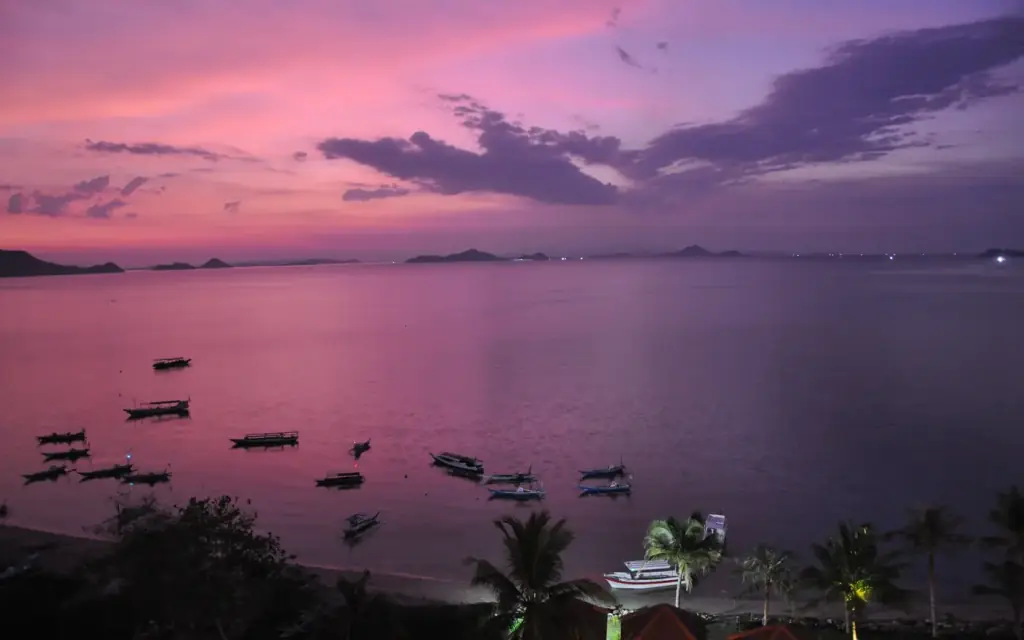
Sunrise or Sunset at Kanawa Island? Photographer Call
Updated: August 2026 Sunset wins for most photographers at Kanawa Island: the west-facing beach puts the sun going down directly over open…
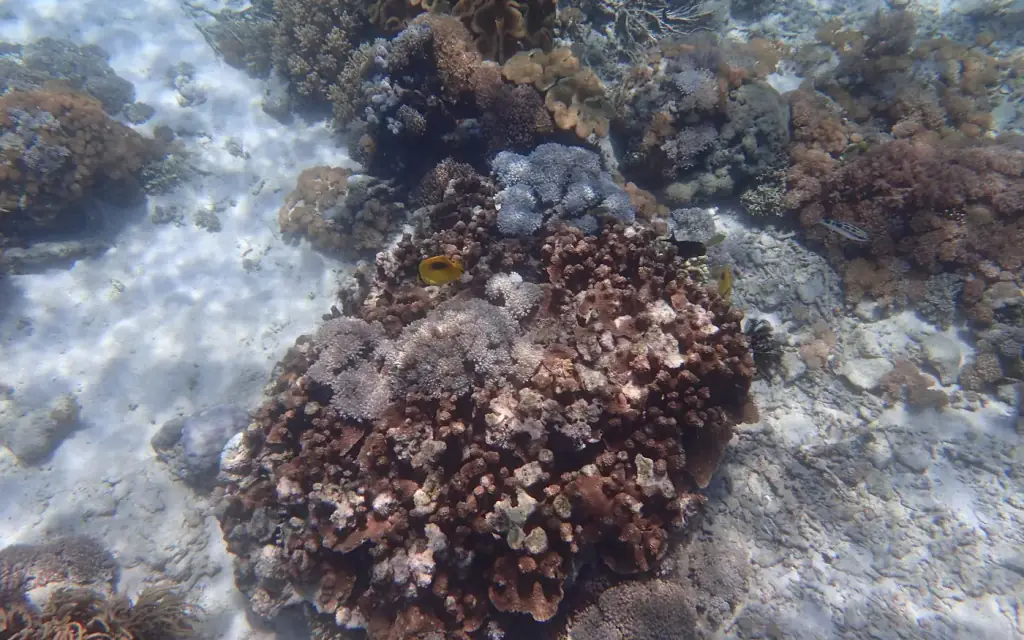
Kanawa Island Marine Life: Species You Actually See
Updated: August 2026 Kanawa Island’s house reef delivers classic Coral Triangle life within a short swim of the beach: reef-fish carpets of…
Planning a day around Kanawa?
Komodo Luxury sits in Labuan Bajo and checks conditions the evening before and the morning of every departure. Send your dates and you get a written quote — fares, inclusions, and park fees stated separately.