
Sustainable travel in Komodo & Kanawa – reefs, waste & dragons
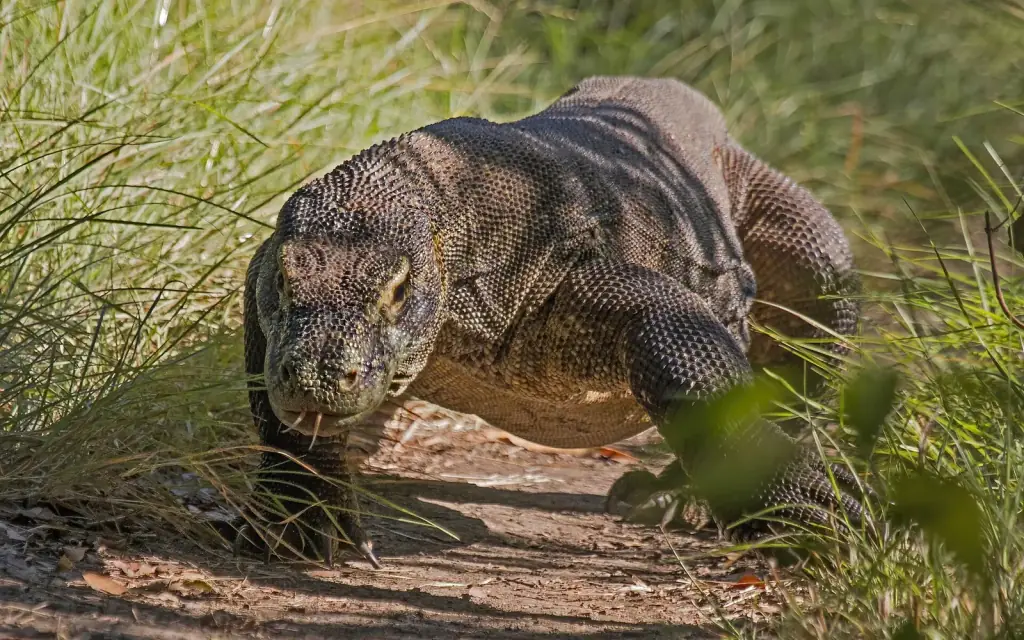 Photo: Charles J. Sharp / Wikimedia Commons (CC BY-SA 4.0)
Updated: August 2026
Understanding Sustainable Travel in Komodo & Kanawa
Sustainable travel aims to minimize environmental impact while enhancing the well-being of local communities. In Komodo and Kanawa, this means engaging with the natural beauty of the islands and the National Park while being mindful of the ecological balance and cultural heritage. As a popular destination for divers and eco-tourists, it’s crucial to explore how to enjoy these stunning locales responsibly.
The Environmental Impact of Tourism in Komodo National Park
Komodo National Park, with its sprawling waters and rich biodiversity, is a hotspot for marine tourism. Yet, as visitor numbers have surged, so too have concerns about sustainability. Many ask, “Is Komodo National Park environmentally friendly?” While it boasts incredible natural beauty, tourism can strain its ecosystems. Overcrowding, coral reef damage, and plastic waste accumulation are pressing issues that make sustainable practices essential.
How to Visit Komodo Responsibly
Choosing to travel responsibly in Komodo means being proactive about your ecological footprint. Here are several key practices:
- Choose Eco-Friendly Operators: Look for tour companies that adhere to eco-friendly practices. Research operators that minimize waste, protect wildlife, and support local economies, ideally ones with visible waste-management systems and a preference for biodegradable products.
- Respect Wildlife: Maintain a safe distance from Komodo dragons—at least 10 meters—during tours. This not only ensures your safety but also minimizes stress on the animals.
- Stick to Designated Paths: In both the park and on Kanawa Island, staying on marked trails prevents damage to native flora and fauna.
The Waste Problem in Labuan Bajo — and What You Can Do
Plastic waste is one of the most significant challenges the region faces. Estimates of the total plastic waste generated in and around Labuan Bajo each month vary by source, roughly in the range of 1,000 to 1,200 tons — we don’t have a single authoritative figure to point to, but the scale of the problem is consistently reported as large. This waste often ends up in the ocean, threatening marine life and the stunning environments of Komodo National Park.
Travelers can contribute by following ‘Leave No Trace’ principles: carry reusable water bottles, avoid single-use plastics, and pack out what you pack in. Participating in local beach clean-up events is another impactful way to get involved — organisations and local NGOs often organise these, particularly during the peak season from June to September. By joining these efforts, not only do you help keep the islands pristine, but you also connect with like-minded travelers and locals.
Reef Safe Sunscreen Rules in Komodo
One crucial aspect of sustainable travel is ensuring the products we use are safe for the environment. Traditional sunscreens can contain harmful chemicals like oxybenzone and octinoxate, which damage coral reefs. Reef-safe sunscreen is strongly encouraged in Komodo National Park.
Here are some rules to follow:
- Opt for mineral-based sunscreens that use zinc oxide or titanium dioxide.
- Check for biodegradable or eco-friendly labels to ensure you are minimizing your environmental impact.
- Apply sunscreen at least 15 minutes before entering the water to allow your skin to absorb it.
Following these guidelines protects the delicate marine ecosystems that thrive around Kanawa and throughout the park.
Diving and Snorkeling with Conservation in Mind
The underwater ecosystems around Komodo and Kanawa are among the richest in the world, making them prime locations for diving and snorkeling. These activities need to be conducted responsibly to limit their impact. Choose dive shops that follow conservation practices, such as using a mooring system to limit anchor damage to coral reefs, rather than dropping anchor directly onto reef.
Practice good snorkeling etiquette too: avoid touching or standing on reefs, and use reef-safe sunscreen. Some operators run reef-cleaning events and citizen-science data collection that divers can join, which is a good way to give something back rather than only consume the experience.
Understanding the Marine Biodiversity of Komodo and Kanawa
Komodo National Park’s waters support an unusually rich mix of fish and coral species, creating a genuinely biodiverse underwater ecosystem — though the health of these reefs is under pressure from rising ocean temperatures and human activity, so treat any specific species-count figure you see quoted online as indicative rather than an official census.
As a responsible traveler, consider joining guided eco-tours that focus on marine conservation and education; some partner with NGOs to monitor reef health, which gives you a more informed view of what you’re seeing underwater — including the region’s manta rays and, on land, the Komodo dragon — while supporting the research itself.
Supporting the Local Community in Labuan Bajo
Sustainable travel should also focus on supporting local communities. In Labuan Bajo, this means engaging with local businesses: dining at family-owned restaurants, staying in locally-run homestays or eco-lodges (in Labuan Bajo or on Kanawa Island), and purchasing crafts made by local artisans rather than mass-produced souvenirs.
Participating in community-led tours — traditional fishing expeditions, cooking classes, guided cultural visits — is one of the more direct ways your travel spending reaches residents rather than an outside operator. Rates for meals, homestays, and community-led activities vary by operator and season; ask locally or through your tour operator for current pricing rather than relying on a fixed figure here, since these are small, informal businesses whose rates change without notice.
Komodo National Park Conservation Fee Use
The Komodo National Park entrance fee is set by Government Regulation PP No. 36/2024: a flat IDR 250,000 per person per day for foreign visitors, and IDR 50,000 on weekdays or IDR 75,000 on weekends and public holidays for domestic visitors. This fee funds park management, reef conservation, and wildlife protection, with a portion also directed to community projects that benefit local residents.
When purchasing tickets, ensure you pay directly through authorized channels so the funds are appropriately allocated. This reinforces the link between tourism and environmental conservation, as every visit helps preserve the beauty and biodiversity of the region.
Ethical Komodo Dragon Tours
One of the primary attractions in Komodo National Park is the legendary Komodo dragon. Ethical tours focus on conservation and education rather than sensationalism. Distance is a critical aspect; maintaining at least a 10-meter gap from these magnificent creatures is essential for both visitor safety and animal welfare.
Choose guided tours operated by certified naturalists who can offer insights into the behavior and habitat of the Komodo dragons while emphasizing the importance of their conservation. Many local guides are adept at spotting rare animals and can enrich your experience with their knowledge.
Conclusion
Traveling sustainably in Komodo and Kanawa Island is not just a trend; it’s a necessity. As travelers, we hold the power to protect these enchanting places for future generations. By choosing eco-friendly operators, using reef-safe products, and supporting local communities, we can indulge in the beauty of Indonesia while preserving its unique ecosystems. Every small action counts—so let’s make our travels meaningful.
Frequently Asked Questions
- What is the best time to visit Komodo National Park? The best time is typically between April and October, the dry season, when the weather is settled and the sea is at its most workable for diving and snorkeling.
- How deep can I dive in Komodo waters? Dive sites in Komodo can range from shallow reefs at 10 meters to deeper sites that reach up to 40 meters.
- What should I pack for a sustainable trip to Labuan Bajo? Pack reusable items like water bottles, eco-friendly toiletries, reef-safe sunscreen, and limited plastic products.
Let’s take a journey that respects and preserves the beauty of Komodo and Kanawa Island for generations to come.
Explore more from Kanawa Island
- Kanawa Island — home
- 5-Day Kanawa Island Itinerary
- 3-Day Kanawa Island Itinerary
- Best Time for Kanawa Island
- Seasickness & health on Komodo boats – stay comfortable at sea
- Beyond Komodo – Flores, Raja Ampat-style gems in Eastern Indonesia
Plan with Komodo Luxury on WhatsApp →
Plan Your Kanawa Island Visit
Practical Sustainability Questions for Komodo & Kanawa
Is there really a plastic waste problem on Kanawa Island, and what does a beach clean-up look like in practice?
How much rubbish washes up here comes and goes with currents, wind and how well visitors behave. After windy nights, you may find plastic washed up along the eastern and southern beaches. Beach clean up reports from volunteers usually describe an hour or two of shoreline walking with sacks, collecting bottles, snack wrappers and flip-flops. Bring gloves, sturdy bags and sun protection; ask boat crews or resort staff where to leave filled sacks so they can be taken back to Labuan Bajo with supply boats.
What are the current waste management practices on Kanawa Island and is trash regularly collected from the resort area?
Current waste management practices on Kanawa Island are basic and partly informal. When staff numbers are sufficient, resort and crew usually sweep the main beach and burn some dry waste on-site, with recyclables or bulk trash sent back to Labuan Bajo by boat when space allows. There is no island-scale waste management system on Kanawa Island resort grounds, and schedules vary with fuel, staff and boat logistics, so you should plan to carry off anything easy to pack, especially batteries, toiletries and snack packaging.
Does Kanawa Island have reliable electricity, water and other infrastructure for sustainable tourism?
Kanawa Island electricity water and infrastructure for sustainable tourism are limited. Power generally depends on a diesel generator with quiet hours, and 2024–2025 visitors reported occasional full outages. Fresh water is brought by boat or from basic wells, so showers can be low-pressure or temporarily unavailable. There is no ATM and mobile data can be patchy. For a smoother stay, arrive with cash, a power bank, a headlamp, your own refillable bottle and enough essentials to be self-sufficient if services cut out for a day.
Are there any dangerous animals on or around Kanawa Island, like Komodo dragons?
People often ask: are there any dangerous animals on or around Kanawa Island, like Komodo dragons? Kanawa sits just outside the National Park boundary and there are no resident Komodo dragons on the island itself. Occasionally, small monitor lizards, crabs and harmless reef fish are seen near shore. In the water, treat stonefish, urchins and jellyfish with caution by wearing booties and watching where you step. For dragon viewing, visit Rinca or Komodo Island with a ranger-led trek via a licensed operator.
What can I personally do to travel more eco friendly on Kanawa Island – is there a plastic ban or any specific rules?
There is no formal plastic ban or published environmental policy here, but basic low-waste habits still make a difference. Bring a refillable bottle and large water gallon for your group, plus a dry bag for taking rubbish back to Labuan Bajo. Avoid single-use cups and sachets, refuse plastic straws, and choose solid soap and shampoo bars. Pack reef-safe sunscreen, a long-sleeve rashguard, and a mesh bag so you can pick up small litter bits as you walk the beach without adding extra plastic.
How do waste management systems and staff practices at Kanawa compare with other Komodo National Park boat trips?
The waste management system on Kanawa Island resort and staff practices are simpler than on some larger liveaboard boats, which increasingly separate trash and bring it back to Labuan Bajo. On Kanawa, routines depend heavily on who is managing the property at the time. When booking Komodo boat trips, ask specifically how trash is stored, sorted and returned to town, then mirror those habits during any Kanawa stop by keeping your own waste tightly packed and clearly labelled for collection.
Is Kanawa Island a realistic place to test small business plan ideas for sustainable tourism investors?
Kanawa Island business plan ideas for sustainable tourism investors need to reckon with fragile infrastructure, uncertain resort status and complex permits. Any concept should minimise water and power demand, for example focusing on low-occupancy retreats, citizen-science snorkeling or guided beach clean-up days rather than high-turnover mass tourism. You’d also need a robust logistics plan for backhauling all waste to Labuan Bajo. Before drafting numbers, spend time on-site in different seasons to understand real fuel costs, staff needs and how changing park regulations affect nearby traffic.
Can I combine Kanawa snorkeling with a more conservation-focused Komodo dragon or trekking experience?
A common approach is to snorkel Kanawa’s house reef in the morning, then visit Rinca or Komodo Island for wildlife treks the next day. For dragon viewing with rangers and clearer rules around group sizes, look at Rinca Island trips. If you prefer more walking and viewpoints, consider a guided route from the range of Komodo trekking activities. Keeping Kanawa as a lower-impact, no-fee day helps balance your overall environmental footprint.
To turn these sustainable travel ideas into a real itinerary, contact a licensed operator with clear waste and conservation policies. Komodo Luxury can outline Kanawa-only days, dragon treks and snorkeling routes; reach them on WhatsApp at +62 811-3823-875 or email sales@komodoluxury.com. For sample day routes, see their Komodo one-day trip options and dedicated Kanawa Island information.
Kanawa's reef and wildlife — more from the Journal
Keep reading
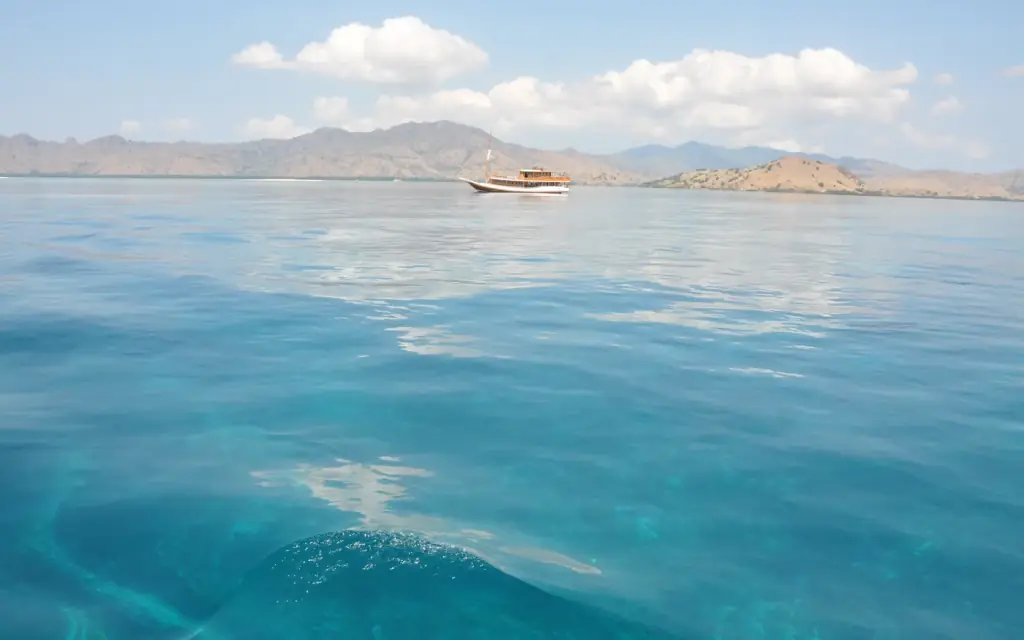
Kanawa Island Snorkeling Safety & Reef Etiquette
Updated: August 2026 Kanawa Island is one of the safer places to snorkel near Labuan Bajo, but “beginner-friendly” is not the same…
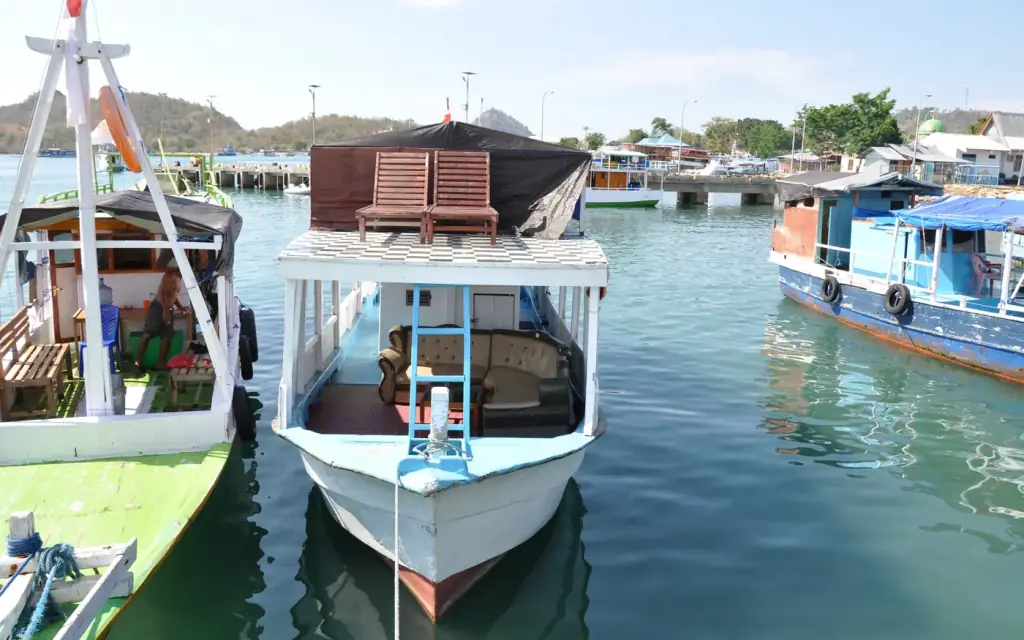
Travel Insurance & Health Prep for Kanawa Island
Updated: August 2026 Kanawa Island itself has no medical post, clinic or pharmacy — the nearest real medical facilities are in Labuan…
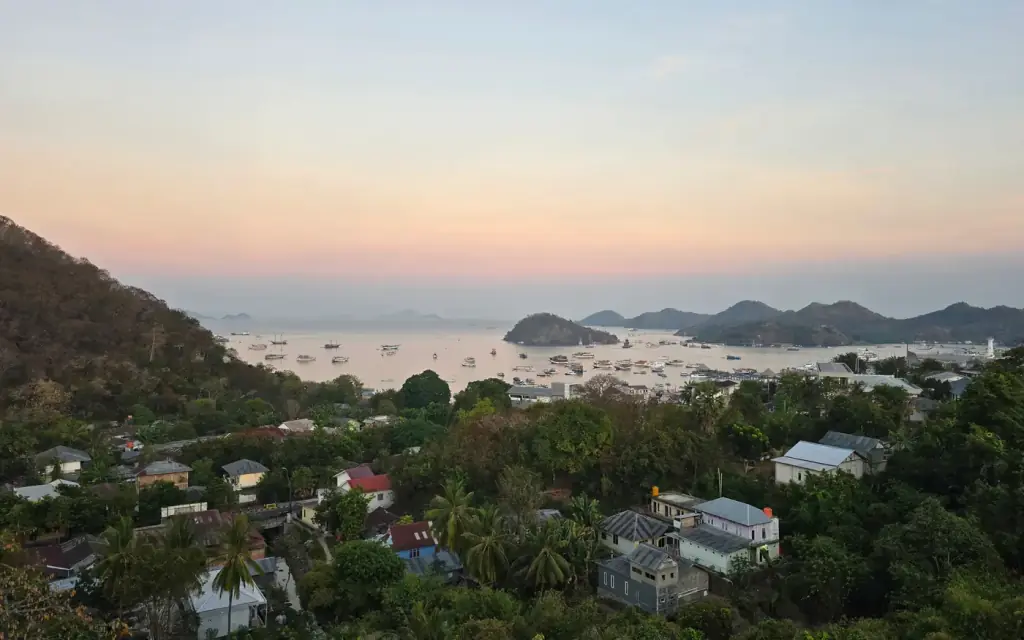
Kanawa Island Solo Travel & Female Safety Guide
Updated: August 2026 Solo travelers, including solo women, visit Kanawa Island regularly and generally find it straightforward and safe — the real…
Planning a day around Kanawa?
Komodo Luxury sits in Labuan Bajo and checks conditions the evening before and the morning of every departure. Send your dates and you get a written quote — fares, inclusions, and park fees stated separately.