
Reef-Safe Sunscreen & Sun Kit for Kanawa Island
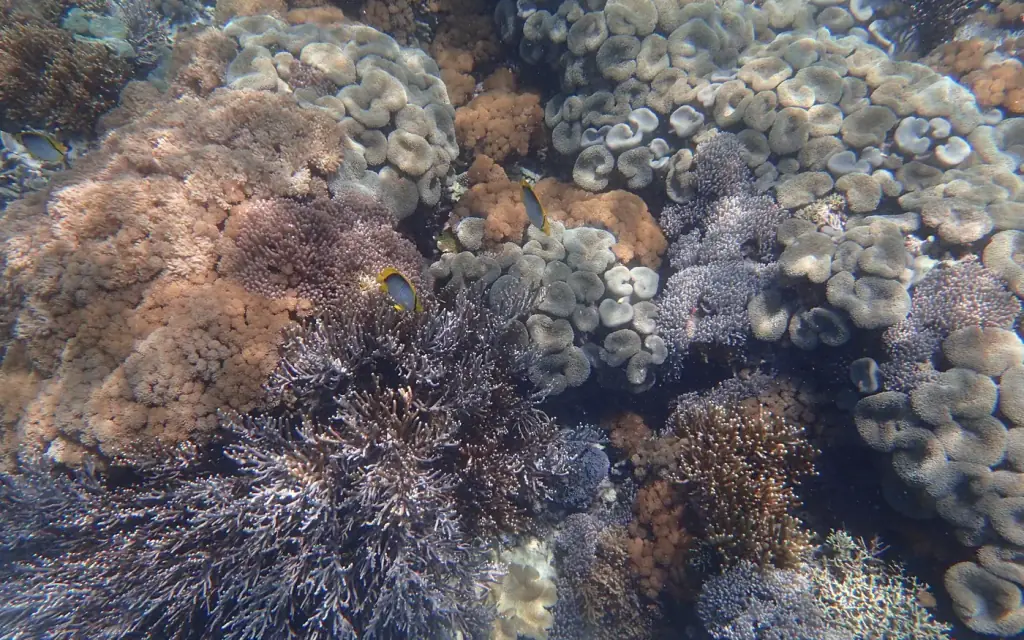 Photo: Hotel Kaesong / Wikimedia Commons (CC BY-SA 2.0)
Updated: August 2026
Indonesia has no national law banning specific sunscreen ingredients at Kanawa Island or anywhere in Komodo National Park, unlike Hawaii, Palau, or the Northern Mariana Islands, which do restrict chemicals such as oxybenzone and octinoxate. As of 2026, reef-safe sunscreen at Kanawa is a strong best practice recommended by operators and conservation groups, not an enforced regulation — which means the responsibility sits with you, the traveller, standing in shallow water over a house reef that gets snorkelled by hundreds of visitors a week. This page covers what “reef-safe” actually means, which ingredients the science flags, and a practical sun-protection kit for a day or overnight at Kanawa.
Is Reef-Safe Sunscreen Legally Required at Kanawa Island?
No. There is no widely documented Indonesian national law or Komodo National Park regulation banning oxybenzone, octinoxate, or any other specific UV filter, as of 2026. This differs from a small number of destinations elsewhere in the world that have passed outright bans. What exists here instead is an informal, consistently repeated recommendation from dive operators, liveaboards, and conservation groups across the Komodo region: use mineral-based sunscreen and use less of it overall, treated as responsible practice rather than law. Because it is not legally enforced, nobody will check your sunscreen bottle at the harbour — which is exactly why it is worth doing anyway rather than only when required.
Which Sunscreen Ingredients Are Considered Reef-Harmful?
The scientific literature on reef-harmful sunscreen ingredients most consistently names a small group of chemical UV filters, generally studied in the context of coral bleaching and toxicity to coral larvae and other marine organisms:
- Oxybenzone (benzophenone-3): the most frequently cited ingredient in coral bleaching and coral-larvae DNA damage studies, and the one specifically named in Hawaii’s 2018 ban.
- Octinoxate (octyl methoxycinnamate): also linked to coral bleaching and named alongside oxybenzone in most reef-safe sunscreen bans.
- Octocrylene: flagged in some research for accumulation and potential toxicity in corals and fish tissue.
- 4-MBC and related camphor-derivative filters: studied for persistence and possible hormonal effects in marine organisms.
Homosalate and avobenzone appear in some toxicological discussions but receive less policy attention than oxybenzone and octinoxate specifically. We are deliberately not naming or recommending specific commercial products or claiming any product carries an official “reef-safe certification” — no universally regulated certification standard for this term currently exists, in Indonesia or globally, so treat any product’s own “reef-safe” label as a marketing claim to verify by checking its ingredient list, not as a guaranteed standard.
How to Check If a Sunscreen Is Genuinely Reef-Conscious
- Turn the bottle over and read the active ingredients. Look for zinc oxide or titanium dioxide as the active UV filters — these are mineral-based rather than chemical, and are the two most commonly recommended alternatives to oxybenzone and octinoxate.
- Check that oxybenzone and octinoxate are absent from the ingredient list entirely, not just reduced in concentration.
- Prefer a lotion over a spray. Spray sunscreens disperse into sand, air, and water more than lotions, increasing runoff into the reef regardless of the active ingredient.
- Apply on land, 15–20 minutes before you enter the water, ideally at your accommodation rather than on the beach at Kanawa, so excess product has time to absorb into skin rather than washing off immediately.
- Use less than you think you need for exposed skin, and cover more with fabric instead — a rash guard reduces the total sunscreen load you need on your torso and shoulders, which is a bigger lever than any single product choice.
A Practical Sun-Protection Kit for Kanawa
| Item | Why it matters at Kanawa specifically |
|---|---|
| Mineral-based (zinc oxide/titanium dioxide) sunscreen, lotion form | Avoids oxybenzone/octinoxate runoff into the house reef; lotion reduces spray drift |
| Long-sleeve rash guard and swim leggings | Covers the torso and legs, cutting the sunscreen area you need entirely |
| Wide-brim hat and UV-blocking sunglasses with a strap | Kanawa’s beach has little shade; a strap prevents losing sunglasses in the water |
| Reef shoes or water shoes | Sea urchins are present in Kanawa’s shallow entry areas — a separate hazard from sun exposure but part of the same kit |
| A dry bag | Keeps sunscreen, phone, and a spare layer dry on an open speedboat crossing |
| A refillable water bottle | Kanawa has no reliable public water supply; staying hydrated matters more in direct tropical sun |
Why This Actually Matters for Kanawa’s Reef
Kanawa’s house reef is shallow and close to shore by design — that is exactly what makes it good snorkeling, and exactly why sunscreen runoff concentrates there more than it would on a deep dive site further offshore. A boat carrying dozens of guests a day, each applying sunscreen shortly before wading in, adds up over a season in a way that a single application does not. This is not a reason to skip sun protection — sunburn and heat exposure are real risks on an equatorial beach with little shade — it is a reason to choose the lower-impact option available, since the higher-impact one is not meaningfully more effective at protecting your skin.
Frequently Asked Questions
Is reef-safe sunscreen mandatory at Kanawa Island?
No. There is no legal requirement in Indonesia or at Komodo National Park as of 2026, unlike Hawaii or Palau. It is a strongly recommended best practice from operators and conservation groups, applied voluntarily by the traveller.
What ingredients should I avoid in sunscreen for reef snorkeling?
Oxybenzone and octinoxate are the two most consistently cited reef-harmful chemical UV filters in the scientific literature and in existing bans elsewhere. Octocrylene and camphor-derivative filters like 4-MBC are flagged in some research as well.
Does mineral sunscreen protect as well as chemical sunscreen?
Mineral sunscreens using zinc oxide or titanium dioxide provide broad-spectrum UV protection and are generally considered effective when applied correctly and reapplied as needed — the main practical difference most people notice is texture, since mineral formulas can leave a visible white cast compared with some chemical formulas.
Can I rent snorkeling gear at Kanawa Island instead of bringing my own?
Basic mask, snorkel, and fin rental is commonly included with organised day trips and charters to Kanawa; if you have your own well-fitted gear, particularly a mask, bringing it is still worth it for comfort and fit.
Is spray sunscreen worse than lotion for a reef trip?
Generally yes, for reef impact specifically. Spray application disperses into the air, sand, and water beyond your own skin, increasing the amount that ends up in the water regardless of which active ingredient the product uses. A lotion applied on land before you swim is the lower-impact choice.
Plan Your Kanawa Trip With the Right Kit
If you are booking a day trip, half-day trip, or overnight camping stay at Kanawa and want packing guidance specific to your dates and group, message Komodo Luxury on WhatsApp at +62 811-3810-8110 or email sales@komodoluxury.com. Komodo Luxury is part of Juara Holding Group, founded 2015. Mention any skin sensitivities or allergies when you enquire so Komodo Luxury can flag anything worth knowing before your trip.
Related reading: see the full Kanawa Island packing guide for everything beyond sun protection, the Kanawa snorkeling guide for what you’ll actually see in the water, and the half day trip or overnight camping pages depending on how long you’re staying.
Last updated: 24 August 2026.
Plan Your Kanawa Island Visit
Kanawa Island Sun, Reef & Safety: Detailed Visitor Q&A
Do you need reef-safe sunscreen when visiting Kanawa Island, and should I bring it from Labuan Bajo?
You will not be checked or fined for using regular sunscreen, but Kanawa’s shallow house reef sits exactly where visitors stand, float and learn to snorkel, so everything on your skin goes straight into that water. You should bring reef-safe sunscreen to Kanawa Island from Labuan Bajo; choice on the island itself is unreliable, and shops in town are far more likely to stock mineral formulas with zinc oxide or titanium dioxide.
Kanawa Island – is sunscreen allowed, or are reef-safe brands only permitted on the beach?
All types of sunscreen are technically allowed; there is no rule that Kanawa Island is sunscreen-allowed reef-safe brands only. Local crews and conservation volunteers will simply urge you toward mineral lotions, smaller quantities, and more fabric coverage. Long-sleeve rash guards, leggings and a hat make a bigger difference than any label. Treat reef-safe as a personal standard, not something enforced by staff.
Is there any availability of reef-safe sunscreen for purchase on Kanawa Island and what is the current price?
Do not rely on buying sunscreen on Kanawa. Small kiosks, if open, focus on drinks and snacks, and stock changes without notice. Reef-safe mineral formulas are not consistently available, and current prices are not published anywhere. Plan to buy in Labuan Bajo before departure, and bring enough for your whole stay so you are not forced into using whatever is left in someone else’s bag.
Has Kanawa Island been affected by coral bleaching or over-tourism, and what does the reef look like now?
Kanawa Island coral bleaching has been observed during regional warm-water events, with some patches of pale or dead coral close to the main landing beach. At the same time, many sections of the slope still show healthy hard corals, soft corals and reef fish. Over-tourism has mainly meant trampling in very shallow areas. Avoid standing on coral, control your fins and treat the reef as something already stressed, not untouched.
Are there any marine conservation projects currently active around Kanawa Island?
Kanawa Island reef conservation has mostly been informal: guides reminding guests not to stand on coral, occasional beach clean-ups, and regional monitoring by organisations based in Labuan Bajo and Komodo National Park. There is no large, permanent research station on Kanawa itself. If you are interested in helping, ask your boat operator about current citizen-science surveys or joint clean-up days planned in the wider Komodo area.
Is swimming at the beach on Kanawa Island generally safe, and what should I watch out for?
For most visitors, swimming at the beach on Kanawa Island is generally safe. The main sandy strip shelves gently, with clear water and usually mild chop on calm days. The main things to watch are currents on very windy or tidal days, boat traffic in the landing area, and sharp coral rubble off the sand. Enter slowly, keep children close, and avoid swimming alone far from shore.
Is wearing water shoes recommended for the beach and reef at Kanawa Island, or should I use fins?
The first few metres off the main beach are sandy, but coral rubble and broken shells appear quickly. For casual wading, thin-soled water shoes help avoid cuts. For proper snorkeling along the wall, Kanawa Island recommended fins or reef shoes for entry depends on your plan: use reef-safe booties or sandals to walk in, then switch to fins in waist-deep water so you do not kick or stand on coral.
Whether there is any medical kit or first aid station on Kanawa Island?
There is no guaranteed staffed clinic or formal first-aid station on Kanawa. Boat crews usually carry a basic medical kit, but it may only cover very simple issues. You should travel with your own kit: antiseptic, bandages, reef-safe wound wash, painkillers, antihistamines, and any personal medication. For anything serious, expect to return to Labuan Bajo by boat for treatment at a clinic or hospital.
What time of day does the Kanawa Island beach become shaded, and when is it fully exposed to sun?
Kanawa’s main swimming beach faces roughly west. From late morning until mid-afternoon, it is fully exposed to direct sun with very little natural shade except behind a few structures or trees. In general, more shade reaches the sand from around 16:00 as the sun drops, with the softest light and longest shadows just before sunset. Plan your longest snorkels for earlier or later, and rest under cover at midday.
Can I combine Kanawa with other islands, and how does that affect my reef-safe packing?
Many visitors pair Kanawa with a wider Komodo day trip, which means more hours exposed on deck and in the water. If you book a shared or private itinerary through a Labuan Bajo operator such as a Komodo boat trip, bring extra mineral sunscreen, a wide-brimmed hat and a long rash guard. Reapply on the boat between sites, not while standing in shallow water above coral.
To turn this into a real visit, contact a licensed operator for current boat schedules, Kanawa access arrangements and multi-stop itineraries. You can reach Komodo Luxury on WhatsApp at +62 811-3810-8110 or by email at sales@komodoluxury.com, and browse their Kanawa Island overview and wider Komodo liveaboard options for ideas.
Safety and rules at Kanawa — more from the Journal
Keep reading
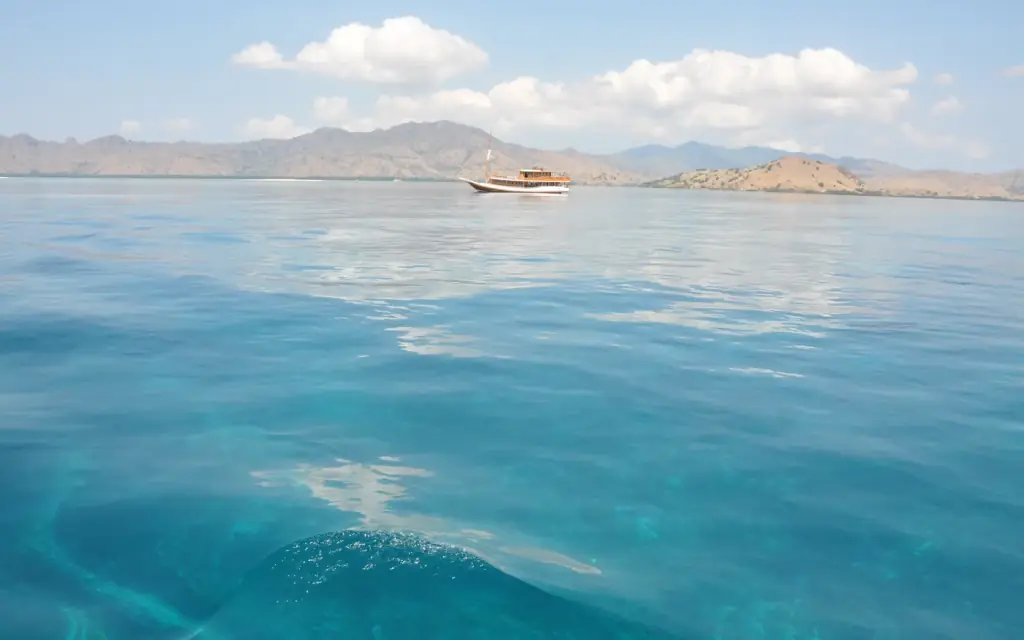
Kanawa Island Snorkeling Safety & Reef Etiquette
Updated: August 2026 Kanawa Island is one of the safer places to snorkel near Labuan Bajo, but “beginner-friendly” is not the same…
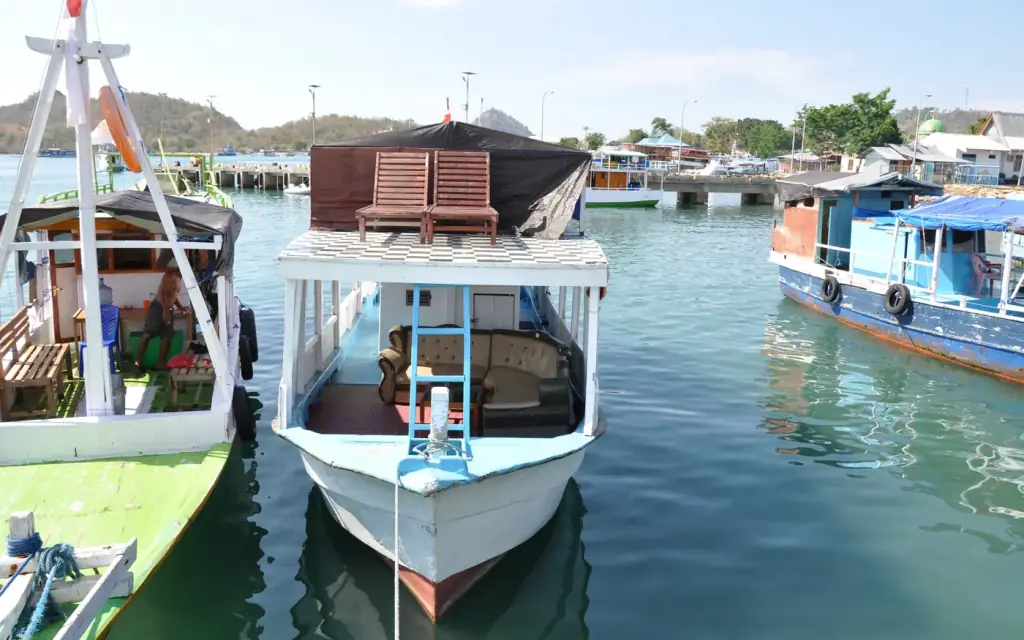
Travel Insurance & Health Prep for Kanawa Island
Updated: August 2026 Kanawa Island itself has no medical post, clinic or pharmacy — the nearest real medical facilities are in Labuan…
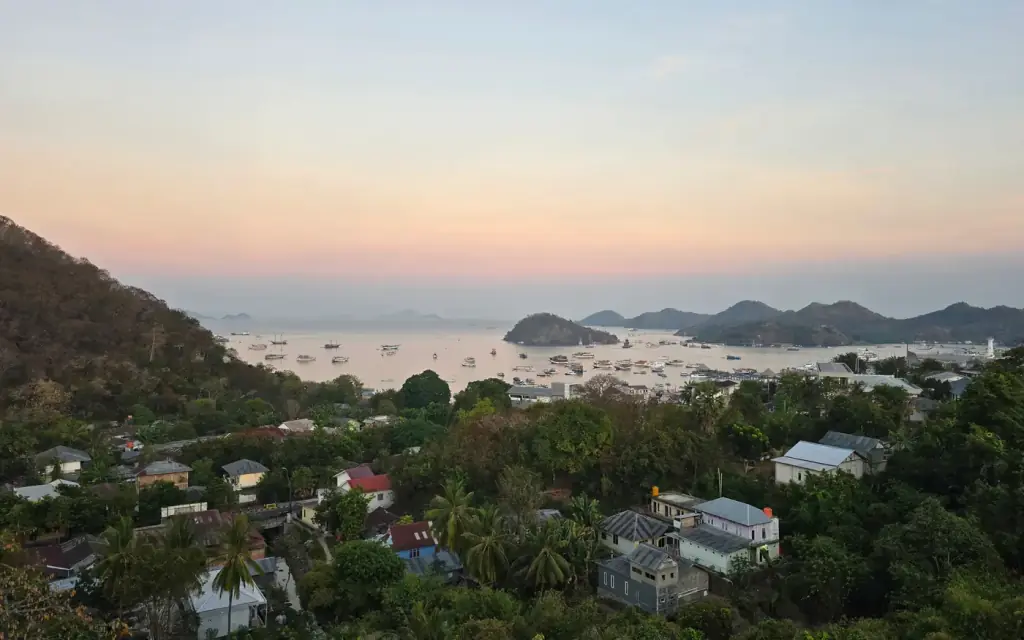
Kanawa Island Solo Travel & Female Safety Guide
Updated: August 2026 Solo travelers, including solo women, visit Kanawa Island regularly and generally find it straightforward and safe — the real…
Planning a day around Kanawa?
Komodo Luxury sits in Labuan Bajo and checks conditions the evening before and the morning of every departure. Send your dates and you get a written quote — fares, inclusions, and park fees stated separately.