
What Is the Best Time to Visit Kanawa Island for Snorkeling?
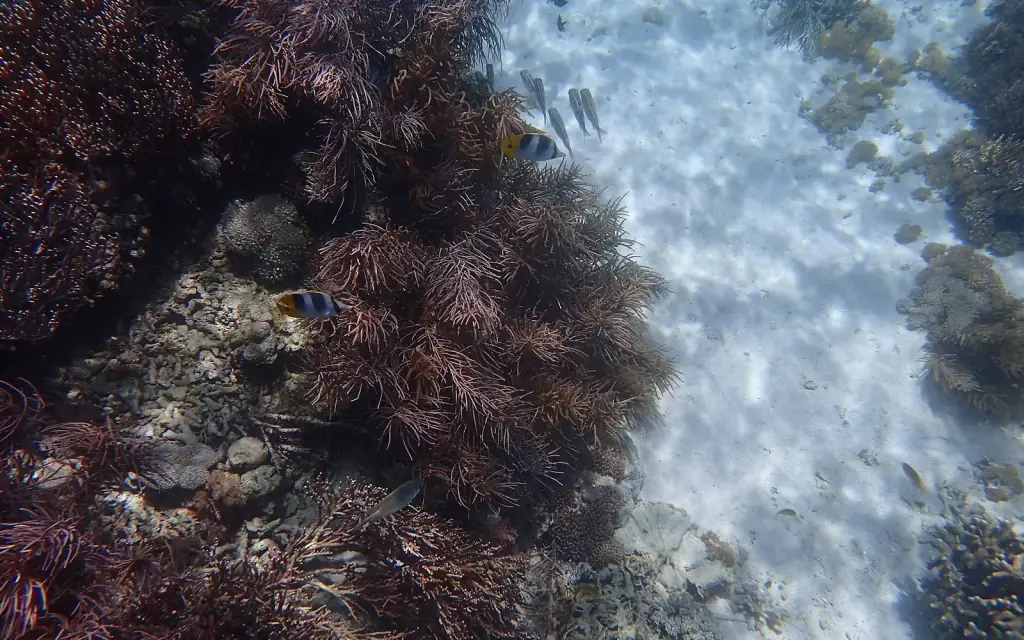 Photo: Hotel Kaesong / Wikimedia Commons (CC BY-SA 2.0)
Updated: August 2026
What Is the Best Time to Visit Kanawa Island for Snorkeling?
- Peak visibility: underwater clarity commonly runs 20–25 metres, enough to take in the full spread of the reef at once.
- Calm Seas: The surface of the Flores Sea is typically flat and glassy, making for effortless and comfortable snorkeling.
- Dry Weather: Expect minimal precipitation, with an average of fewer than five rainy days per month during this period.
The sun is high and direct, warming your shoulders as you adjust your mask. Below, the water is a gradient of impossible blues, shifting from pale turquoise over the sand to a deep sapphire where the reef drops away. The only sound is the gentle lapping of the Flores Sea against the hull of your boat and the distant cry of a sea eagle. You slip into the 28-degree Celsius water, and the world transforms. A school of yellow-masked angelfish drifts past, unconcerned. A hawksbill turtle, ancient and graceful, glides over a garden of table coral just meters below. This is the immediate, vibrant reality of snorkeling at Kanawa Island, but timing your visit is the critical element that elevates this experience from a simple holiday activity to a core memory. Choosing the right month determines not just the weather you’ll enjoy, but the clarity of the water and the specific marine life you are most likely to encounter.
Decoding Komodo’s Climate: The Dry Season Advantage (April – October)
To understand the best time for snorkeling, one must first understand the dominant weather patterns of the Komodo archipelago. The region is governed by two distinct seasons, dictated by monsoonal winds. The period from April through October marks the dry season, brought on by southeasterly winds originating from the Australian continent. This is, unequivocally, the prime window for any marine-based activity. During these months, the climate is characterized by low humidity, typically hovering around 70%, and comfortable air temperatures that average between 27°C and 30°C. More importantly for snorkelers, this season sees a dramatic drop in precipitation, with monthly rainfall often dipping below 50 millimeters. This lack of rain is crucial; heavy downpours create runoff from the islands, which carries sediment into the sea and significantly reduces underwater visibility. When you are planning the premier day trip from Labuan Bajo, ensuring maximum water clarity is paramount. The calm seas associated with the dry season also mean that boat travel is smooth and surface conditions for snorkeling are placid, allowing you to focus entirely on the marine spectacle below. Water temperatures remain a consistently pleasant 26–29 °C, warm enough for extended periods in the water with just a rash guard for sun protection.
The Shoulder Seasons: A Strategic Choice for Discerning Travelers (April-June & September-October)
While the entire April to October window is excellent, seasoned travelers and marine experts often point to the “shoulder seasons” as the absolute sweet spot. I’m referring to the months of April through June, and again from September to October. These periods offer all the benefits of the dry season—clear water, sunny skies, and calm seas—but with a significant reduction in tourist numbers compared to the peak months of July and August. Local dive operators often point to the shoulder months (April to June, and September to October) as a sweet spot: broadly the same clear water and calm seas as peak season, with noticeably fewer boats at the water-class sites. These months can also coincide with strong plankton blooms at cleaning stations like Manta Point, though sighting frequency varies trip to trip and is not something we can quantify from a verified source. Flight prices into Labuan Bajo’s Komodo Airport (LBJ) also tend to be lower outside the European summer holiday peak — check current fares directly with the airline for your dates. This strategic timing allows for a more serene and exclusive experience, making a private charter to explore Kanawa’s pristine marine environment not just a luxury, but a logistical masterstroke.
Peak Season Realities: Navigating July and August
There is no denying the appeal of visiting Kanawa Island in July and August. These two months represent the absolute peak of the dry season, offering the most predictable and stable weather imaginable. You can virtually guarantee cloudless blue skies and exceptionally calm seas day after day. The atmosphere in the port town of Labuan Bajo is electric, buzzing with travelers from around the globe. For those who enjoy a vibrant social scene alongside their nature excursions, this can be an ideal time. However, this popularity comes with trade-offs. The demand for flights, accommodations, and particularly boat charters, is at its zenith. Expect to pay a premium: charter rates rise with demand in these two months, and the size of that rise is set boat by boat rather than by any published seasonal scale, so ask for the peak-date figure in writing. The snorkeling sites themselves, including the magnificent reef fringing Kanawa Island, will be busier. While the reef is extensive enough to find your own space, you will be sharing the waters with more people. This is where the value of a well-planned private excursion becomes most apparent, allowing you to time your arrival to avoid the larger group tours. It’s also worth noting that Komodo National Park entrance fees for foreign nationals are a flat IDR 250,000 per person per day under PP No. 36/2024 (domestic visitors pay IDR 50,000 on weekdays or IDR 75,000 on weekends and public holidays), which are more frequent travel days during this peak period.
The Wet Season Gamble: Snorkeling from November to March
The period from November to March, often called the “green season,” is defined by the northwest monsoon. This weather system brings with it increased humidity, higher rainfall, and more dynamic sea conditions. For the snorkeling purist, this is generally considered the off-season. The main challenge is water visibility, which rainfall and runoff can cut sharply — from the usual dry-season 20–25 metres down to 10 metres or less after a heavy squall. Surface conditions can become choppy, and stronger currents may be present, making for a more challenging snorkeling experience. So why would anyone visit during this time? The answer lies in the trade-offs. The islands of the Komodo archipelago, including the hills behind Kanawa, are transformed into landscapes of intense, vibrant green. Tourist numbers plummet, and with them, prices for nearly everything. For the budget-conscious or the flexible traveler, there can be moments of brilliance. The rain often comes in intense, short-lived downpours, frequently in the afternoon, leaving mornings clear and bright. A day with no rain can offer snorkeling conditions nearly as good as the dry season. However, it is a gamble. This is not the best time to visit Kanawa Island if your trip’s success is solely dependent on guaranteed, world-class snorkeling every single day. It’s a time for photographers who love dramatic skies and lush landscapes, and for travelers seeking solitude above all else.
Marine Life Calendar: What You’ll See and When
The timing of your visit to Kanawa Island influences not just the conditions, but also the cast of characters you’ll meet beneath the waves. The island sits within the globally significant Coral Triangle, an area boasting the highest diversity of marine species on Earth. While many residents are present year-round, the visibility of certain megafauna fluctuates with the seasons. Manta Rays, for instance, follow the plankton. While they can be spotted throughout the year, their numbers peak around the cleaning stations from March to May and again from September to November. Sea turtles, both Green and Hawksbill, are a constant and delightful presence, often found grazing on the seagrass beds directly off Kanawa’s main beach regardless of the month. The cooler, clearer waters of the dry season (April-October) are often cited as the best for spotting reef sharks, such as Blacktips and Whitetips, patrolling the reef edges. For macro-life enthusiasts, the season is less critical. The incredible diversity of nudibranchs, frogfish, and crustaceans that call the reefs of this UNESCO World Heritage site home are always there, waiting to be discovered by a keen eye. The primary difference is that the exceptional visibility of the dry season simply makes spotting everything, from the grand to the minute, an easier and more vivid affair.
Quick FAQ: Your Kanawa Snorkeling Questions Answered
What is the water temperature around Kanawa Island? The water temperature is consistently warm and inviting, ranging from 26°C to 29°C (79°F to 84°F) throughout the year. This makes it exceptionally comfortable for snorkeling, typically without the need for a full wetsuit, even for extended explorations of the reef.
Do I need a wetsuit for snorkeling? While not essential due to the warm water, a thin rash guard or a 1.5mm shorty wetsuit is highly recommended. The primary benefits are protection from the intense equatorial sun and a layer of defense against minor scrapes from coral or encounters with stinging hydroids.
Is Kanawa Island suitable for beginner snorkelers? Absolutely. The main beach at Kanawa offers a gently sloping, sandy entry into the sea. The coral gardens begin just a few meters from the shore in calm, shallow, and protected water, making it one of the most accessible and reassuring locations for beginners and families within the entire Komodo National Park.
How far is Kanawa Island from Labuan Bajo? Kanawa Island is located approximately 11–15 kilometers (about 9.3 miles) northwest of Labuan Bajo. The journey via a modern speedboat, which is the preferred method for a day trip, typically takes 20–35 minutes, offering scenic views of the archipelago along the way. Travel time can vary slightly based on sea conditions, as noted by the official Indonesia Travel portal.
Ultimately, the decision of when to visit rests on your personal priorities. For those seeking the absolute pinnacle of snorkeling conditions—unrivaled visibility, placid seas, and sun-drenched days—the shoulder months of April-June and September-October represent the perfect intersection of sublime weather and fewer fellow travelers. This is the insider’s choice for experiencing the underwater world at its most serene and spectacular. If you want the reef on your own schedule rather than a boat's, a private day trip to Kanawa is the practical first step: you choose the departure hour and how long you stay in the water.
Plan Your Kanawa Island Visit
Timing Your Kanawa Snorkeling: Practical Questions Answered
What time is the best time to visit Kanawa Island in a single day for snorkeling?
If you’re asking what time is the best time to visit Kanawa Island in a single day, aim to arrive between 08:30 and 10:00. The light is high enough to illuminate the reef, but the sun is not yet brutal. Morning usually brings calmer wind and fewer boats. By early afternoon the sand is very hot, shade is limited, and surface chop tends to increase. Late afternoon can be beautiful, but plan enough margin for a safe daylight return to Labuan Bajo.
What is the quietest time of day to visit Kanawa Island?
The quietest time of day to visit Kanawa Island is usually before 10:00 and again after about 15:30. Many shared tours arrive late morning, stay a couple of hours, then move on. If you can arrange a private boat from Labuan Bajo, ask to depart early so you’re on the house reef before the bigger groups. After mid-afternoon, day-trippers start leaving and the beach feels noticeably emptier.
What time of day is best to arrive at Kanawa Island for snorkeling if I want calm water?
For Kanawa Island calm water snorkeling, arriving in the morning gives you the best odds. Winds in this part of Flores Sea typically pick up around midday, bringing small surface chop and mild current. Plan to be in the water from around 09:00–11:00 for the clearest, flattest conditions. If you’re combining Kanawa with other stops, ask your captain to make Kanawa your first snorkel of the day rather than the last.
Where is the best snorkeling spot on Kanawa Island for different levels of experience?
The best snorkeling spot on Kanawa Island for most people is the house reef that starts roughly 30 meters off the main beach, in front of the old resort bungalows. Beginners can stay on the 1–3 meter shallow flat; experienced snorkelers can follow the reef edge where it drops from about 5 meters to about 18 meters. Always avoid stepping on coral and watch for boat traffic, especially near the central beach where tenders land.
How are the currents at Kanawa Island, and is it safe for beginners?
Kanawa Island current conditions are generally mild compared with the stronger channels inside Komodo National Park, but they still change with tides and wind. The shallow flat near the beach is usually manageable for cautious beginners. Stay within your depth and snorkel along, not across, any current. The island is safe to snorkel as long as you use a mask, fins and common sense, and avoid venturing to the reef edge when the tide is running.
Is Kanawa Island suitable for beginner snorkellers, and do you need to swim?
Yes, with one condition. The beach shelves into a sandy shallow before the coral edge, and that flat is the gentlest water on the island. You still need basic swimming ability, enough to float and stay calm with your face in the water. If that is not you yet, wear a buoyancy vest and stay inside the shallow. Do not push out to the drop-off when the current is running or the wind has picked up.
What are the sea and the weather like at Kanawa Island in February?
February is workable only on the calm days between the rain and the west wind. This is still the wet season, so run-off pulls visibility down and the surface can turn choppy with little warning. You may get a still morning and clear water, or heavy rain and a murky reef. Come with a flexible plan and accept the captain's call when he reads the sea as unfriendly.
What are conditions like at Kanawa Island in April?
April usually marks the turn into the dry season: the rain thins, the sky clears more often, and visibility starts recovering after the murky months. The water stays warm and the current is generally mild around the house reef. The odd shower still lands, but April pairs settled water with a boat count that has not yet peaked, which is a combination the busier months rarely offer.
Can you rent snorkelling gear on Kanawa Island, or should you bring your own?
Do not rely on renting anything on the island. Availability depends on whether the island operation is running that day and how complete its stock is, and both quality and sizing vary. Hire a mask, snorkel and fins from an operator in Labuan Bajo before you leave, or travel with your own set. If you are joining a tour, have the itinerary state in writing that snorkelling equipment is included.
How do you combine Kanawa with other snorkelling spots around Komodo?
Plenty of visitors pair Kanawa with Manta Point or Taka Makassar in one day out of Labuan Bajo. That needs a boat arranged for the whole route, because Kanawa sits just outside the national park boundary while the other stops are inside it, so one leg of the day carries park booking and fees and the other does not. Use a licensed Labuan Bajo operator and get the quote in writing.
Untuk mengubah semua ini menjadi perjalanan nyata, tentukan dulu bulan kunjungan dan apakah Anda hanya ingin Kanawa atau juga taman nasional. Diskusikan rute dan jenis perahu lewat WhatsApp di +62 811-3823-875 atau email sales@komodoluxury.com. Untuk inspirasi paket harian lihat opsi one-day trip Komodo, lalu bandingkan dengan pilihan charter speedboat pribadi jika Anda ingin waktu lebih leluasa di Kanawa.
Snorkelling at Kanawa — more from the Journal
Keep reading
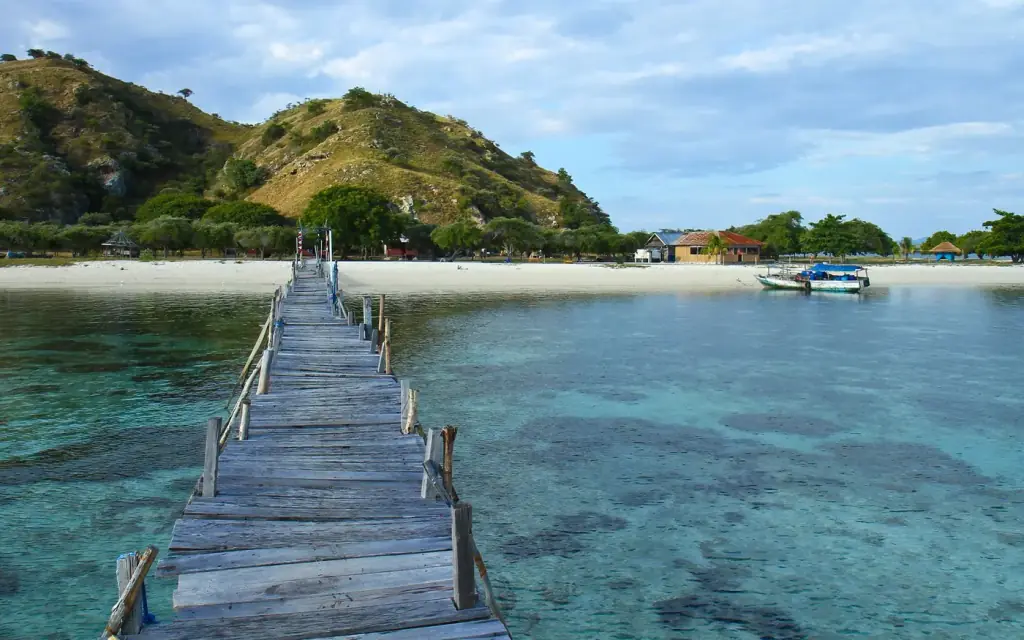
How Many Hours Do You Need on Kanawa Island?
Updated: August 2026 Most visitors need a minimum of 3 hours on Kanawa Island to snorkel the house reef properly and relax…
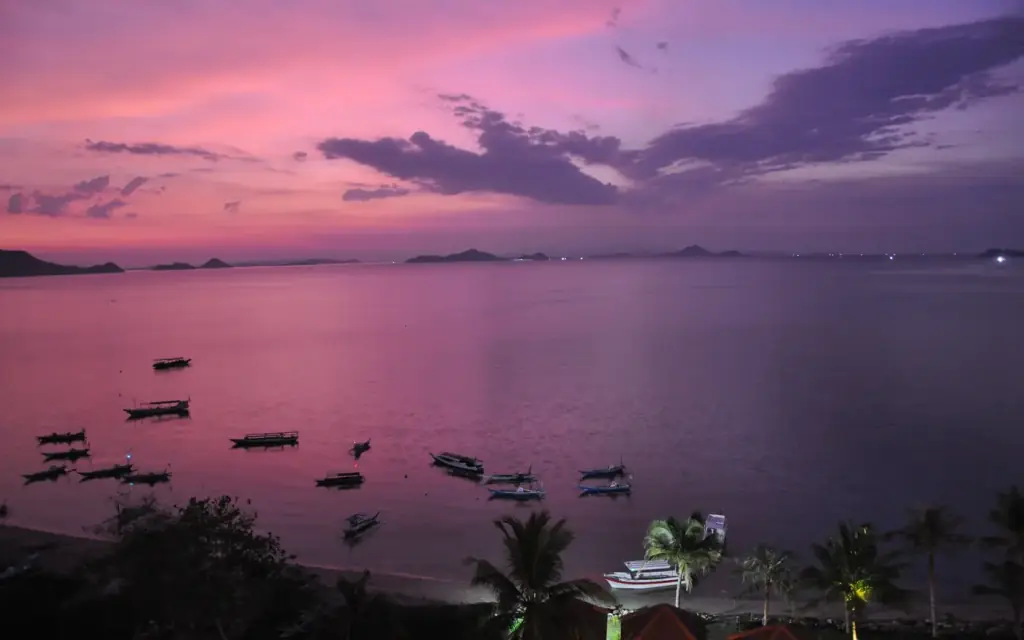
Sunrise or Sunset at Kanawa Island? Photographer Call
Updated: August 2026 Sunset wins for most photographers at Kanawa Island: the west-facing beach puts the sun going down directly over open…
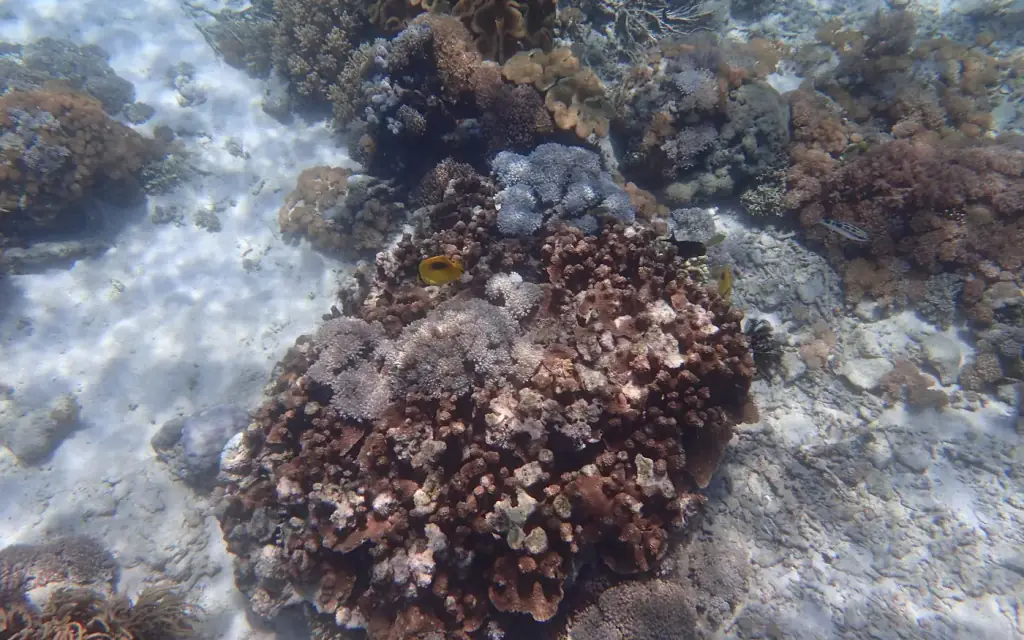
Kanawa Island Marine Life: Species You Actually See
Updated: August 2026 Kanawa Island’s house reef delivers classic Coral Triangle life within a short swim of the beach: reef-fish carpets of…
Planning a day around Kanawa?
Komodo Luxury sits in Labuan Bajo and checks conditions the evening before and the morning of every departure. Send your dates and you get a written quote — fares, inclusions, and park fees stated separately.