Updated: May 2026
Best Time for Kanawaisland
- **Peak Dry Season (July-August):** Experience crystal-clear waters, minimal rainfall, and abundant marine life, perfect for diving and snorkeling, but prepare for higher prices and crowds.
- **Shoulder Seasons (May-June, September-October):** Enjoy a sweet spot with excellent weather, good visibility, and more serene dive sites, offering better value and a more relaxed atmosphere.
- **Wet Season (November-April):** Discover a verdant island, lower accommodation rates, and fewer tourists. While rain is more frequent, it often comes in short bursts, leaving plenty of sunshine for exploration.
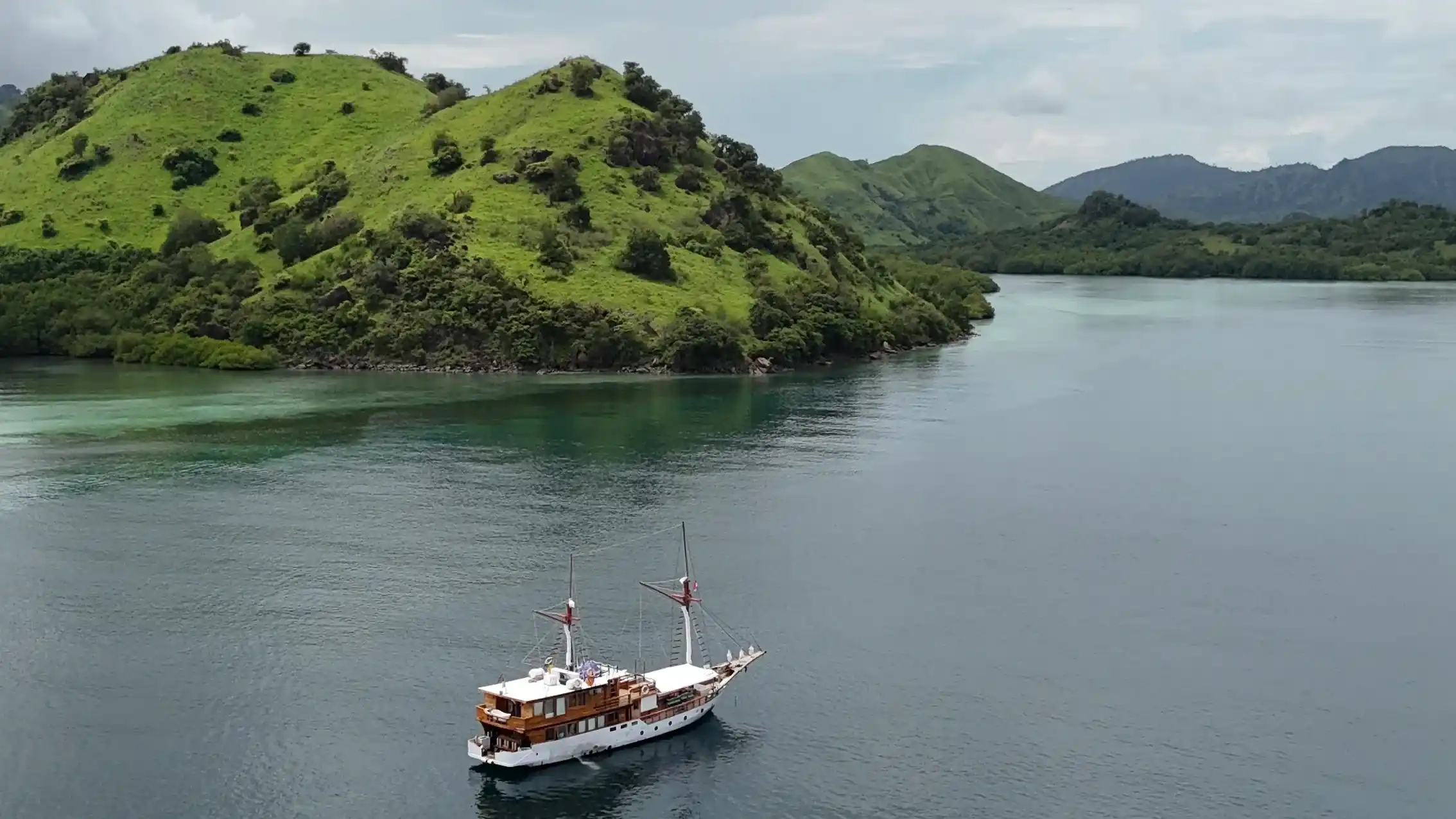
Imagine the sun-drenched deck of a phinisi, the scent of salt and tropical blossoms carried on a gentle breeze. Below, the water shimmers, a canvas of turquoise and sapphire, revealing flashes of iridescent fish. You slip into the warm embrace of the Flores Sea, the world falling silent save for the rhythmic pulse of your own breath as a majestic manta ray glides effortlessly past. This is the promise of Kanawa Island, a pristine jewel in the Indonesian archipelago, and knowing when to visit unlocks its most sublime experiences. (See Komodo NP for context.)
The Dry Season Zenith: July & August
For those who covet the absolute pinnacle of weather and marine conditions, July and August represent the zenith of the dry season on Kanawa Island. During these months, the skies are a relentless, brilliant blue, punctuated by scarcely a cloud. Humidity levels remain comfortably low, and daily temperatures consistently hover between a pleasant 28°C and 32°C. The ocean mirrors this perfection: waters are exceptionally calm, offering unparalleled visibility that frequently extends beyond 25 to 30 meters. This clarity transforms every snorkeling and diving excursion into a vivid, immersive spectacle, revealing the vibrant coral gardens and teeming marine life in exquisite detail. It is during this period that encounters with large pelagic species, from graceful manta rays to various species of reef sharks, are most consistent. The famous dive sites around Komodo National Park, a mere 30-minute boat ride from Kanawa Island, truly shine.
However, this period of perfection comes with a caveat: popularity. July and August coincide with peak holiday seasons globally, meaning Kanawa Island experiences its highest influx of visitors. Resorts, including the exclusive accommodations directly on the island, often operate at full capacity. Securing your preferred villa or bungalow requires foresight; advance reservations are not merely recommended but essential, ideally 6 to 9 months ahead of your intended travel dates. This demand naturally translates into premium pricing across the board. Expect to pay a 20-30% premium on accommodation, flights to Labuan Bajo (the gateway to Kanawa), and private boat charters compared to other times of the year. While the crowds are noticeable, the sheer beauty and ideal conditions often justify the investment for those seeking an uncompromised luxury experience. Despite the higher numbers, the island maintains its serene charm, particularly in the mornings and late afternoons when day-trippers have departed.
Shoulder Season Serenity: May, June & September, October
The shoulder seasons — May, June, September, and October — offer a compelling alternative for the discerning traveler seeking the sweet spot between exquisite conditions and fewer crowds. These months provide an exceptional balance, delivering nearly identical weather and marine clarity to the peak dry season, but with a palpable sense of tranquility. Daily temperatures remain wonderfully consistent, typically ranging from 27°C to 30°C, and while the occasional brief, refreshing shower might occur, prolonged rainfall is rare. The air feels slightly softer, and the landscapes, still vibrant from the lingering wet season or anticipating its return, possess a particular lushness. Marine visibility remains consistently excellent, often ranging between 20 to 25 meters, ensuring breathtaking underwater explorations without the bustling boat traffic at popular dive spots. This period is particularly prized by serious divers and photographers who appreciate the unhurried pace and greater freedom at sites like Manta Point or Batu Bolong, renowned for their biodiversity within the Komodo National Park, a UNESCO World Heritage site (UNESCO).
The most attractive aspect of the shoulder season is the significant reduction in visitor numbers. You’ll find more space on the pristine beaches, easier availability for private excursions, and a more intimate atmosphere at your chosen luxury accommodation on Kanawa Island. Booking lead times for flights and resorts shorten to a more manageable 3-4 months, offering greater flexibility in planning. Furthermore, this period presents a more favorable pricing window. Expect accommodation and activity rates to be 10-15% lower than the peak dry season, allowing for a more expansive luxury experience without the top-tier cost. This makes the shoulder seasons particularly appealing for those who prioritize a blend of value, exquisite conditions, and a more personal connection with this Indonesian paradise. The transition between seasons often brings a unique vibrancy, with the island’s flora and fauna showcasing different facets of their natural beauty.
May & June: The Pre-Peak Sweet Spot
As the last whispers of the wet season fade, May and June emerge as idyllic months. The island is at its greenest, vibrant and alive, yet the skies are predominantly clear. Ocean currents are typically mild, making for comfortable diving and snorkeling conditions around Kanawa Island. This period is ideal for those who wish to experience the wonders of Komodo National Park before the peak crowds descend, offering a sense of discovery and exclusivity. The waters around the island, teeming with life, become your private aquarium.
September & October: Post-Peak Tranquility
Following the busy dry season, September and October offer a serene reprise. The weather remains glorious, with the occasional cloud adding dramatic flair to the saffron sunsets. The marine environment is still exceptionally rich, and with fewer boats, you might find yourself sharing a dive site with only your group, enhancing the feeling of a private expedition. These months are perfect for travelers seeking a peaceful escape, where the rhythm of the tides dictates your day, and the island feels truly yours to explore.
Verdant Monsoon: November to April
While often labeled the “wet season,” the period from November to April on Kanawa Island paints a surprisingly captivating picture for the discerning traveler. Far from a continuous deluge, the monsoon typically manifests as invigorating afternoon showers, often lasting just an hour or two, leaving the mornings and late afternoons open for exploration. Temperatures remain warm, averaging 26°C to 29°C, but with higher humidity, lending a tropical intensity to the air. The most striking transformation is the island’s landscape itself: Kanawa Island sheds its dry season hues to burst into a vibrant, emerald green, a stunning contrast against the azure sea. This verdant backdrop offers unique photographic opportunities and a sense of being immersed in a lush, untouched paradise. The air, refreshed by the rain, carries the sweet scent of damp earth and exotic flora, a sensory experience distinct from the dry season.
Marine conditions during the wet season, while different, remain compelling. Ocean visibility can range from 15 to 20 meters, slightly less than the dry season, but still excellent for observing the rich biodiversity. The increased plankton in the water during these months can attract fascinating macro life, making it a favorite for underwater photographers focused on smaller, intricate species. Waters within the more sheltered bays and around Kanawa Island tend to be calmer, providing comfortable snorkeling and diving experiences. Moreover, the wet season offers the most profound sense of seclusion. Visitor numbers plummet, allowing for an almost private island experience. You’ll find ample availability at luxury resorts, and the chances of having pristine beaches and popular viewpoints all to yourself are significantly higher. This period is ideal for those seeking solitude, a deeper connection with nature, and a truly unhurried pace. The island’s quiet hum replaces the gentle murmur of peak season activity, inviting introspection and profound relaxation.
The most compelling advantage of traveling during the monsoon is the pricing. This period offers the best value across the board, with accommodation, flights, and private boat charters often discounted by 30-40% compared to peak dry season rates. This allows for an even more luxurious experience within a more modest budget, perhaps extending your stay or indulging in additional private excursions. While you may encounter more significant rainfall during December and January due to the festive season’s slight increase in demand, these months still offer considerable savings and a tranquil atmosphere compared to the bustling dry season. Exploring the vibrant local culture in Labuan Bajo, the charming gateway town, becomes a more relaxed affair, free from the throngs of tourists. For more general information about travel in Indonesia, you can visit Indonesia.Travel.
Diving & Marine Encounters: A Year-Round Spectacle
The allure of Kanawa Island extends far beyond its shores, plunging into the vibrant, nutrient-rich waters that surround it. As part of the greater Komodo National Park, a globally recognized marine biodiversity hotspot, the underwater world here is a year-round spectacle, though specific conditions and encounters shift with the seasons. The sheer abundance of marine life is staggering; over 1,000 species of fish, 260 species of coral, and 70 species of sponges thrive in these currents. During the dry season (July-August), the calm, clear conditions, with visibility often exceeding 30 meters, are perfect for spotting large pelagics like manta rays, oceanic sunfish (mola mola), and various species of sharks, including reef sharks and occasionally hammerheads. Dive sites such as Manta Point, just a 45-minute boat ride from Kanawa, become reliable stages for these majestic creatures. The strong currents that characterize many of Komodo’s dive sites are also more predictable, making drift dives exhilarating.
The shoulder seasons (May-June, September-October) maintain excellent diving conditions, with visibility typically around 20-25 meters. The slightly reduced currents compared to the peak dry season can make certain sites more accessible for less experienced divers, while still offering thrilling encounters for seasoned enthusiasts. This period is excellent for observing reef-dwelling fish, vibrant nudibranchs, and the intricate ecosystems of coral gardens. The fewer boats at dive sites mean a more personal and often extended interaction with the marine environment, allowing for unhurried observation and photography. The sheer number of dive sites, often exceeding 50 within the Komodo National Park, ensures that there is always a new underwater landscape to explore, regardless of the time of year or specific weather patterns. Wikipedia offers a comprehensive overview of the park’s incredible biodiversity.
Even during the wet season (November-April), the underwater world around Kanawa Island remains captivating. While visibility might decrease to 15-20 meters due to increased plankton, this actually enhances opportunities for macro photography, revealing the intricate beauty of pygmy seahorses, frogfish, and a myriad of colorful critters hidden within the reefs. The calmer inner reefs and protected bays offer sheltered diving, often with less current, making it an excellent time for beginners or those focusing on smaller, more elusive species. The occasional rain showers rarely impact underwater conditions significantly, and the water temperature remains a consistent and comfortable 26-28°C throughout the year. Regardless of when you visit Kanawa Island, the commitment to preserving its marine ecosystems ensures a spectacular and unforgettable encounter with one of the planet’s most vibrant underwater realms.
Navigating Kanawa: Crowds, Pricing, and Logistics
Understanding the interplay of crowds, pricing, and logistical considerations is key to crafting your perfect Kanawa Island escape. Your journey typically begins with a flight to Labuan Bajo (LBJ) on Flores Island, a bustling port town that serves as the primary gateway to the Komodo National Park and its surrounding islands. From Labuan Bajo, Kanawa Island is a convenient 30-minute private boat transfer, a scenic journey across sparkling waters. During the peak dry season (July-August), flights to Labuan Bajo, particularly from major Indonesian hubs like Denpasar (Bali) or Jakarta, are in high demand and command premium prices. Booking these flights 4-6 months in advance is highly advisable. Accommodation on Kanawa Island, offering a blend of rustic luxury and barefoot elegance, also sees its highest rates during this period, with properties often fully booked 6-9 months out. Planning for this window requires meticulous organization and a willingness to invest in the peak experience.
The shoulder seasons (May-June and September-October) offer a more relaxed approach to logistics. Flight prices to Labuan Bajo are generally more moderate, and you might find better availability, though booking 2-3 months ahead is still prudent. Accommodation on Kanawa Island during these periods sees a 10-15% reduction in rates compared to peak season, making luxury more accessible. The reduced crowds also mean easier arrangements for private boat charters and excursions, allowing for greater spontaneity in your itinerary. Public holidays, such as Eid al-Fitr or Christmas, can create micro-peaks in demand even during shoulder or wet seasons, so always cross-reference your travel dates with the Indonesian holiday calendar. For a detailed guide on reaching this island paradise, consult our Getting Here page.
The wet season (November-April) presents the most flexible and budget-friendly option. Flights to Labuan Bajo are often significantly cheaper, and last-minute deals can be found, though a month or two in advance is still recommended for peace of mind. Accommodation on Kanawa Island can be up to 30-40% less expensive than peak rates, offering exceptional value for a luxury retreat. While weather can be more unpredictable, the logistical ease and financial savings make this an attractive period for intrepid travelers or those seeking an extended stay. Regardless of the season, ensure you have comprehensive travel insurance, as unexpected weather changes can occasionally impact boat transfers. Considering a private chef experience or an exclusive beach dinner? Our dining options page provides insights into the culinary delights awaiting you. Ultimately, Kanawa Island rewards those who plan thoughtfully, offering a transcendent escape tailor-made for your desires.
Whether you dream of sun-drenched days with unparalleled visibility, serene moments amidst fewer travelers, or a verdant escape with exceptional value, Kanawa Island beckons. Each season offers a distinct charm, a unique rhythm that resonates with different desires. Begin envisioning your perfect Indonesian sojourn today. Explore our homepage for inspiration and allow the magic of this extraordinary destination to guide your planning. Your bespoke Kanawa Island adventure awaits.